
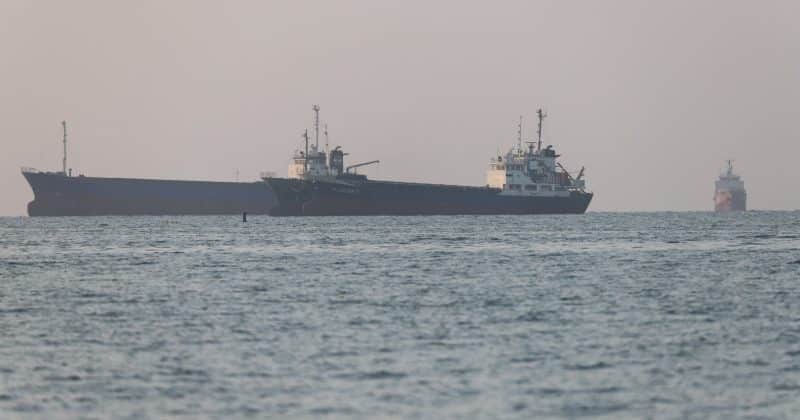
Trump claims over 100 million barrels of oil moving through Strait of Hormuz after US ‘secret mission’
The president says Operation Project Freedom restored shipping flow through the world's most contested waterway, while Iran floats a crypto toll proposal that caught the industry's attention
President Donald Trump announced that ships loaded with oil are moving through the Strait of Hormuz again, claiming the US facilitated the transit of over 100 million barrels of oil and more than 200 commercial vessels through the critical waterway. The announcement, made via Truth Social and remarks from the Oval Office on June 10-11, frames the operation as a major American victory in a standoff with Iran that has rattled global energy markets since late February.
The operation, dubbed Operation Project Freedom, reportedly involved naval escorts and diplomatic measures aimed at restoring shipping safety in a corridor that handles approximately 20% of the world’s oil trade.
How the crisis unfolded
The trouble started on February 28, 2026, when Iran began blocking shipping traffic through the strait. Shipping traffic dropped to approximately 15% of pre-war levels.
The US response, according to Trump’s account, was to organize escort operations that gradually restored flow. By mid-June, escorted shipments were reportedly handling around 7 million barrels per day.
Peace negotiations between the US and Iran have been ongoing as of mid-June 2026, with frameworks discussed for reopening the strait on more permanent terms. The diplomatic track has produced at least one temporary ceasefire in April, though lasting resolution remains elusive.
The news moving money, markets, and the world—before your day starts.
Daily. Free. Join 34,000+ readers across crypto, finance, and policy.
Iran’s crypto toll proposal
During the April ceasefire, Iran proposed a transit toll of $1 per barrel, payable in Bitcoin or Tether. A country under heavy international sanctions has limited access to traditional banking rails, and cryptocurrency offers a workaround that doesn’t require correspondent banks, SWIFT access, or the goodwill of Western financial institutions.
At 7 million barrels per day, a $1 toll would generate roughly $7 million daily in crypto revenue for Iran. That’s $2.5 billion annualized, flowing through decentralized or stablecoin networks.
What this means for markets and investors
Despite the severity of the crisis, oil prices remained relatively stable throughout the standoff, as clandestine and escorted shipments never fully stopped and markets had time to price in alternative supply routes.
Tether, in particular, stands to benefit from the visibility. USDT already dominates cross-border payments in regions with limited banking infrastructure. Having a sovereign nation propose it as a toll payment mechanism for one of the world’s busiest shipping lanes represents significant exposure for the stablecoin.
If crypto becomes closely associated with sanctions evasion at the nation-state level, regulators in the US and Europe will face pressure to tighten controls on stablecoin issuers and exchanges.