
Nexo Earn with Nexo
Trump expects Strait of Hormuz to reopen quickly upon deal signing

Trump expects Strait of Hormuz to reopen quickly upon deal signing

A potential ceasefire with Iran could normalize shipping through the world's most critical oil chokepoint, with ripple effects across energy and crypto markets

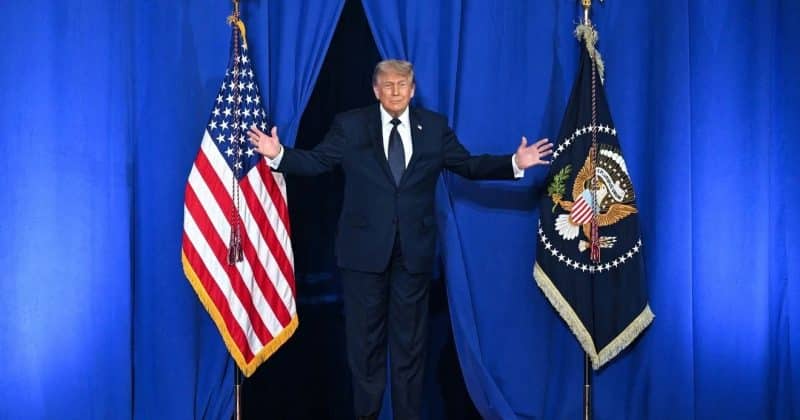
President Trump said the Strait of Hormuz will reopen “quickly” once a deal with Iran is finalized, signaling that months of blockaded shipping through the world’s most important oil corridor could soon come to an end.

The strait, which has been largely blocked since late February 2026, handles around 25% of global oil shipments. Its closure pushed oil prices above $100 per barrel and sent shockwaves through every market that cares about energy costs.

What’s on the table

US and Iranian negotiators have outlined a framework for a 60-day ceasefire that would allow unrestricted shipping and the resumption of Iranian oil sales. The deal is also designed to open the door for broader talks on Iran’s nuclear program.

Advertisement

A framework is not a signed agreement. Trump has yet to give final approval, and Iran’s confirmation remains pending.

The ceasefire discussions emerged from a military campaign initiated by the US and Israel against Iran, which triggered the blockade in the first place. Since February 28, 2026, the strait’s closure has functioned like a tourniquet on global energy supply, choking trade flows and inflating costs for consumers and businesses worldwide.

Trump’s comments suggest he views the reopening as not just a component of the deal but something that would happen almost immediately upon signing. That framing matters because it sets market expectations for a rapid normalization of shipping, not a phased or conditional reopening.

Energy markets are watching closely

Oil above $100 per barrel has been a persistent drag on economic sentiment, feeding into inflation fears and weighing on equity markets. A sudden reopening of the strait would likely bring swift downward pressure on crude prices.

What this means for crypto investors

Bitcoin has shown a notable correlation with geopolitical de-escalation signals throughout this conflict. Price rallies have coincided with positive diplomatic developments, while the initial blockade triggered volatility that pushed traders toward more defensive positions.

A confirmed ceasefire and reopening of the strait would likely act as a catalyst for renewed bullish sentiment across crypto markets. High energy prices have also increased Bitcoin mining costs significantly during the blockade period. Cheaper energy would improve mining economics, potentially reducing sell pressure from miners who’ve been forced to liquidate holdings to cover elevated operational costs.

Investors positioning for a deal should also consider what happens after the initial relief rally. A 60-day ceasefire is temporary by definition. If nuclear talks stall during that window, the threat of renewed conflict and another blockade would loom over markets again.

Disclosure: This article was edited by Editorial Team. For more information on how we create and review content, see our Editorial Policy.

Trump expects Strait of Hormuz to reopen quickly upon deal signing

Trump expects Strait of Hormuz to reopen quickly upon deal signing

A potential ceasefire with Iran could normalize shipping through the world's most critical oil chokepoint, with ripple effects across energy and crypto markets

President Trump said the Strait of Hormuz will reopen “quickly” once a deal with Iran is finalized, signaling that months of blockaded shipping through the world’s most important oil corridor could soon come to an end.

The strait, which has been largely blocked since late February 2026, handles around 25% of global oil shipments. Its closure pushed oil prices above $100 per barrel and sent shockwaves through every market that cares about energy costs.

What’s on the table

US and Iranian negotiators have outlined a framework for a 60-day ceasefire that would allow unrestricted shipping and the resumption of Iranian oil sales. The deal is also designed to open the door for broader talks on Iran’s nuclear program.

Advertisement

A framework is not a signed agreement. Trump has yet to give final approval, and Iran’s confirmation remains pending.

The ceasefire discussions emerged from a military campaign initiated by the US and Israel against Iran, which triggered the blockade in the first place. Since February 28, 2026, the strait’s closure has functioned like a tourniquet on global energy supply, choking trade flows and inflating costs for consumers and businesses worldwide.

Trump’s comments suggest he views the reopening as not just a component of the deal but something that would happen almost immediately upon signing. That framing matters because it sets market expectations for a rapid normalization of shipping, not a phased or conditional reopening.

Energy markets are watching closely

Oil above $100 per barrel has been a persistent drag on economic sentiment, feeding into inflation fears and weighing on equity markets. A sudden reopening of the strait would likely bring swift downward pressure on crude prices.

What this means for crypto investors

Bitcoin has shown a notable correlation with geopolitical de-escalation signals throughout this conflict. Price rallies have coincided with positive diplomatic developments, while the initial blockade triggered volatility that pushed traders toward more defensive positions.

A confirmed ceasefire and reopening of the strait would likely act as a catalyst for renewed bullish sentiment across crypto markets. High energy prices have also increased Bitcoin mining costs significantly during the blockade period. Cheaper energy would improve mining economics, potentially reducing sell pressure from miners who’ve been forced to liquidate holdings to cover elevated operational costs.

Investors positioning for a deal should also consider what happens after the initial relief rally. A 60-day ceasefire is temporary by definition. If nuclear talks stall during that window, the threat of renewed conflict and another blockade would loom over markets again.

Disclosure: This article was edited by Editorial Team. For more information on how we create and review content, see our Editorial Policy.