
Trump signals reopening of Strait of Hormuz, easing pressure on oil and crypto markets
A framework deal with Iran to end the war and reopen the critical shipping lane sent Bitcoin past $66K while oil prices dropped sharply
President Donald Trump announced at the G7 summit on June 15 that the US and Iran have reached a framework agreement to officially end their war, with the Strait of Hormuz set to reopen by June 19. The announcement sent immediate shockwaves through global markets, with Bitcoin surging past $66,000 and WTI crude dropping 5%.
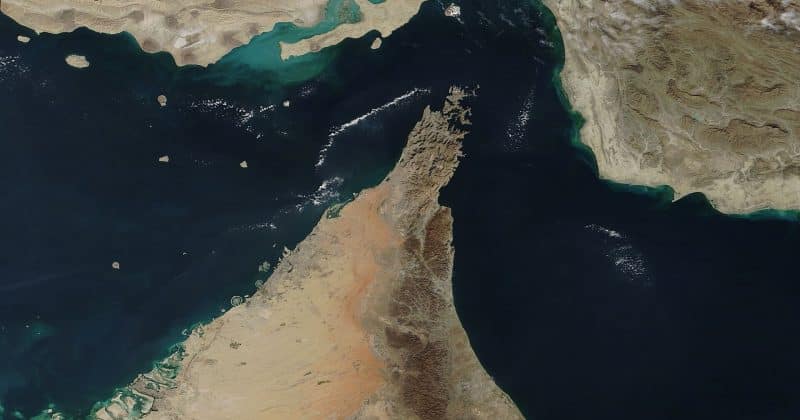
The Strait of Hormuz is the narrow waterway between Iran and Oman through which roughly a fifth of the world’s oil supply passes daily. Iran’s blockade of the strait during the conflict had been choking global energy markets for months.
The deal and what it means for energy markets
The framework agreement caps months of escalating military tensions between Washington and Tehran that began in early 2026. Active ceasefire negotiations had been underway since late May, with the US implementing operational pauses specifically designed to facilitate the strait’s reopening.
The immediate market reaction tells the story. WTI crude fell 5% on the news, reflecting the expectation that oil supply chains through the Persian Gulf will normalize. For months, the Iranian blockade had injected a massive risk premium into energy prices, squeezing consumers and businesses worldwide.
Gold, which had been climbing as investors sought safety during the conflict, maintained its gains even after Trump’s announcement.
Macro, rates, and crypto—what moved markets and what matters next.
Daily. Free. Join 34,000+ readers across crypto, finance, and policy.
Bitcoin’s unusual role in the conflict
During the conflict, reports indicated that Iran had considered or demanded cryptocurrency payments for safe passage through the Strait of Hormuz, with Bitcoin specifically highlighted as a potential medium of exchange.
The US government took direct action on the crypto front as well. On June 2, Washington imposed sanctions on Nobitex, Iran’s largest digital asset exchange, citing links to sanctions evasion.
What this means for crypto investors
Lower energy prices reduce operational costs for miners, easing one of the persistent headwinds on the industry’s economics.
Iran’s reported interest in using crypto for transit payments through the Strait, combined with the Nobitex sanctions, puts digital assets squarely in the crosshairs of national security policy. The conflict demonstrated how digital assets can be weaponized in international disputes.