
Nexo Earn with Nexo
Trump announces full reopening of Strait of Hormuz by Friday, oil prices drop

Trump announces full reopening of Strait of Hormuz by Friday, oil prices drop

The US-Iran agreement to restore shipping through the world's most critical oil chokepoint could ripple across energy, equities, and crypto markets alike.

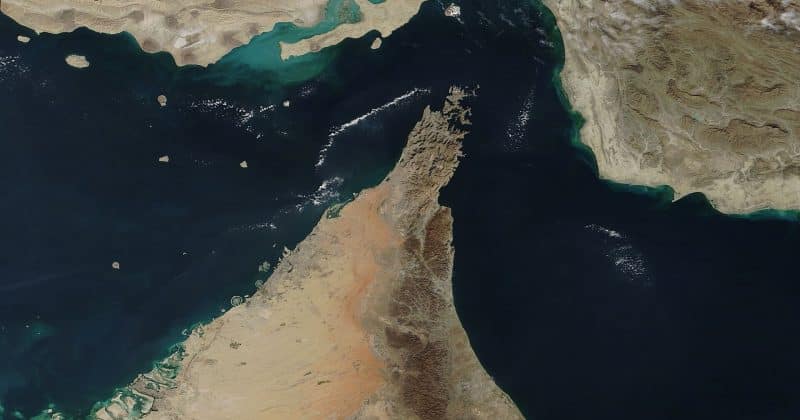
President Trump announced during the G7 summit on June 15 that the Strait of Hormuz will fully reopen to international shipping by Friday, June 19. The agreement with Iran, which Trump described as “complete,” effectively ends a period of disruptions that had sent energy prices surging and rattled global markets for months.

The strait handles roughly 25% of global oil transit.

What the deal actually looks like

Trump made the announcement alongside French President Macron at the G7, calling the strait “completely open” and “permanently toll-free.” He followed up on Truth Social, urging global shipping to resume operations and calling for unrestricted traffic in both directions.

Advertisement

A ceremonial signing is planned in Switzerland on the same day. Initial reports suggest vessels are already beginning to navigate the strait under interim terms, though Iranian media has expressed some caution about the exact timing of full reopening.

Iran had previously imposed tolls and restrictions on strait passage, prompting US naval responses and escalating into a series of blockades. The disruptions throughout 2026 had compounded an already complicated energy picture. Shipping costs spiked. Oil prices climbed.

Markets react: oil drops, risk appetite returns

The immediate market response was predictable. Oil prices fell on the announcement as traders priced in the return of normal supply flows through the strait.

One interesting footnote: Bitcoin was reportedly mentioned in the context of Iran’s potential consideration for shipping insurance arrangements.

What this means for crypto investors

Bitcoin mining is energy-intensive, and mining operations are sensitive to electricity costs. Lower oil prices generally translate to lower energy costs across the board, which could improve margins for miners, particularly those in regions where power generation still depends heavily on fossil fuels.

The risk is that the deal doesn’t hold. Iranian media’s cautious tone about timing is a reminder that announcements and implementation are different things. Ships may be entering the strait now, but whether traffic flows freely and permanently depends on enforcement, compliance, and the durability of whatever terms were negotiated.

Disclosure: This article was edited by Editorial Team. For more information on how we create and review content, see our Editorial Policy.

Trump announces full reopening of Strait of Hormuz by Friday, oil prices drop

Trump announces full reopening of Strait of Hormuz by Friday, oil prices drop

The US-Iran agreement to restore shipping through the world's most critical oil chokepoint could ripple across energy, equities, and crypto markets alike.

President Trump announced during the G7 summit on June 15 that the Strait of Hormuz will fully reopen to international shipping by Friday, June 19. The agreement with Iran, which Trump described as “complete,” effectively ends a period of disruptions that had sent energy prices surging and rattled global markets for months.

The strait handles roughly 25% of global oil transit.

What the deal actually looks like

Trump made the announcement alongside French President Macron at the G7, calling the strait “completely open” and “permanently toll-free.” He followed up on Truth Social, urging global shipping to resume operations and calling for unrestricted traffic in both directions.

Advertisement

A ceremonial signing is planned in Switzerland on the same day. Initial reports suggest vessels are already beginning to navigate the strait under interim terms, though Iranian media has expressed some caution about the exact timing of full reopening.

Iran had previously imposed tolls and restrictions on strait passage, prompting US naval responses and escalating into a series of blockades. The disruptions throughout 2026 had compounded an already complicated energy picture. Shipping costs spiked. Oil prices climbed.

Markets react: oil drops, risk appetite returns

The immediate market response was predictable. Oil prices fell on the announcement as traders priced in the return of normal supply flows through the strait.

One interesting footnote: Bitcoin was reportedly mentioned in the context of Iran’s potential consideration for shipping insurance arrangements.

What this means for crypto investors

Bitcoin mining is energy-intensive, and mining operations are sensitive to electricity costs. Lower oil prices generally translate to lower energy costs across the board, which could improve margins for miners, particularly those in regions where power generation still depends heavily on fossil fuels.

The risk is that the deal doesn’t hold. Iranian media’s cautious tone about timing is a reminder that announcements and implementation are different things. Ships may be entering the strait now, but whether traffic flows freely and permanently depends on enforcement, compliance, and the durability of whatever terms were negotiated.

Disclosure: This article was edited by Editorial Team. For more information on how we create and review content, see our Editorial Policy.