
Nexo Earn with Nexo
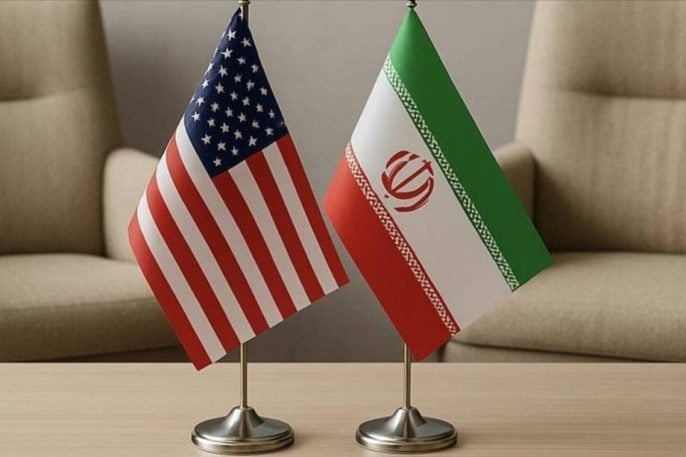
Trump suggests naval blockade of Iran after talks collapse

Trump suggests naval blockade of Iran after talks collapse

Warships Through the Strait of Hormuz

Trump has suggested a naval blockade of Iran to target its oil exports after talks collapsed in Islamabad. The warships through the Strait of Hormuz market is now in focus over whether the UK will send warships by April 30, while the US-Iran permanent peace deal market faces downward pressure.

Market reaction

The blockade proposal has introduced new volatility into the warships through the Strait of Hormuz market. Traders are betting on whether the UK responds with a military presence, and odds could climb as April 30 approaches if allied naval action looks imminent. The US-Iran permanent peace deal market has no resolution in sight after US-Iran talks failed in Islamabad.

Advertisement

The US-Iran ceasefire sits at 100% YES across all dates. But there have been no recent trades, so these odds reflect a static market rather than any fresh assessment of Trump’s shift toward military action.

Why it matters

Trump’s blockade suggestion is a direct pivot from diplomacy to potential military confrontation. Markets that had priced in a diplomatic resolution are now adjusting. Volume is nonexistent across all three markets, meaning even small orders could swing odds dramatically. A YES share in the peace deal at 2¢ implies a 50x return on a successful diplomatic breakthrough, but that would require a rapid and unlikely reversal in the current trajectory.

What to watch

UK Ministry of Defence announcements or any confirmation of allied warship movements will be the main signals for the warship market. A statement from the UK or allied forces on naval deployments could move odds fast, especially given how thin the order books are.

API CTA

Get prediction market intelligence as a structured API feed. Early access waitlist.

Disclosure: This article was edited by Estefano Gomez. For more information on how we create and review content, see our Editorial Policy.

Trump suggests naval blockade of Iran after talks collapse

Trump suggests naval blockade of Iran after talks collapse

Warships Through the Strait of Hormuz

Trump has suggested a naval blockade of Iran to target its oil exports after talks collapsed in Islamabad. The warships through the Strait of Hormuz market is now in focus over whether the UK will send warships by April 30, while the US-Iran permanent peace deal market faces downward pressure.

Market reaction

The blockade proposal has introduced new volatility into the warships through the Strait of Hormuz market. Traders are betting on whether the UK responds with a military presence, and odds could climb as April 30 approaches if allied naval action looks imminent. The US-Iran permanent peace deal market has no resolution in sight after US-Iran talks failed in Islamabad.

Advertisement

The US-Iran ceasefire sits at 100% YES across all dates. But there have been no recent trades, so these odds reflect a static market rather than any fresh assessment of Trump’s shift toward military action.

Why it matters

Trump’s blockade suggestion is a direct pivot from diplomacy to potential military confrontation. Markets that had priced in a diplomatic resolution are now adjusting. Volume is nonexistent across all three markets, meaning even small orders could swing odds dramatically. A YES share in the peace deal at 2¢ implies a 50x return on a successful diplomatic breakthrough, but that would require a rapid and unlikely reversal in the current trajectory.

What to watch

UK Ministry of Defence announcements or any confirmation of allied warship movements will be the main signals for the warship market. A statement from the UK or allied forces on naval deployments could move odds fast, especially given how thin the order books are.

API CTA

Get prediction market intelligence as a structured API feed. Early access waitlist.

Disclosure: This article was edited by Estefano Gomez. For more information on how we create and review content, see our Editorial Policy.