
Trump plans to speak with Taiwan’s leader about $14B arms sale
The proposed deal would be the largest US weapons sale to Taiwan ever, but Trump is openly treating it as a bargaining chip with Beijing.
President Donald Trump is reportedly planning a phone call with Taiwan’s President Lai Ching-te to discuss a potential $14 billion arms sale that would shatter records for US military support to the island. If approved, it would represent the single largest American weapons package Taiwan has ever received.
The deal and the delay
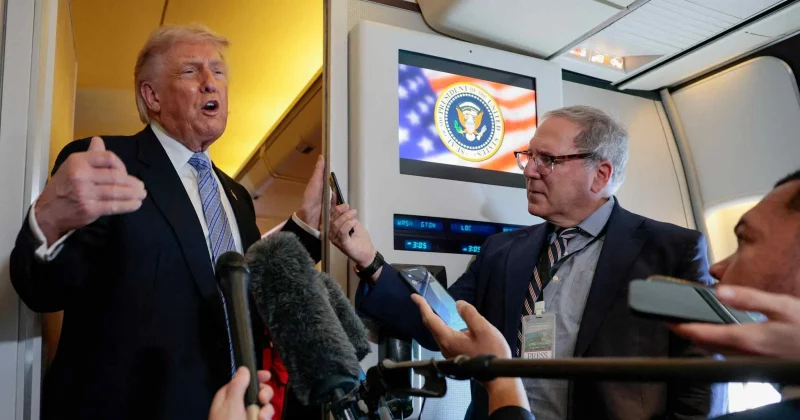
Trump has been characteristically blunt about his approach. He has stated publicly that he hasn’t yet signed off on the sale, telling reporters, “I may do it, I may not do it.”
Taiwan’s President Lai Ching-te has urged Trump to “stay the course” on the arms sale. Taiwan’s entire defense strategy is built on the assumption that Washington will continue supplying the weapons it needs to deter a potential Chinese invasion.
Back in December, the Trump administration had already approved $11 billion in arms sales to Taiwan. So the $14 billion package under discussion now would come on top of an already substantial commitment.
The planned call between Trump and Lai is significant on its own terms. Beijing considers Taiwan a breakaway province and views any official US engagement with Taipei’s leadership as a provocation.
The bigger picture: US-China-Taiwan triangle
Trump has previously stated he was “not looking to have somebody go independent,” a remark that seemed to downplay any US interest in encouraging formal Taiwanese independence.
For decades, US policy toward Taiwan has been built on a framework known as “strategic ambiguity.” Washington acknowledges Beijing’s position that there is one China, while simultaneously selling Taiwan enough weapons to defend itself. The US doesn’t formally recognize Taiwan as an independent nation, but it also doesn’t abandon it.
When a president says he might approve or withhold a defense package depending on how trade talks go, it transforms a security commitment into a negotiating lever. That’s a fundamentally different posture than what Taiwan has relied on for decades.