
Nexo Earn with Nexo
Trump threatens 100% tariff on French wine over tech tax at G7

Trump threatens 100% tariff on French wine over tech tax at G7

The US president is using champagne as a bargaining chip to kill France's 3% digital services tax on American tech giants

Donald Trump wants France to drop its digital services tax. And he’s willing to weaponize wine to make it happen.

In an interview with the New York Post on June 15, Trump warned that the US would impose 100% tariffs on French wine and champagne unless France repeals its 3% digital services tax, which targets major American tech companies including Amazon, Apple, and Meta. Trump said he had delivered the ultimatum directly to French President Emmanuel Macron, adding that the US would have “no choice” but to retaliate if the tax remained in place.

The stakes for French wine

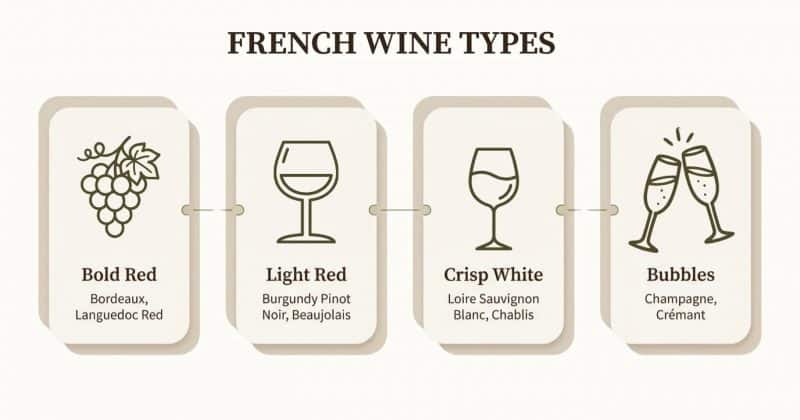
The US accounts for roughly 20% of French wine exports, a market worth over $2 billion annually. A 100% tariff would effectively double the price of every bottle of Bordeaux, Burgundy, and Champagne hitting American shelves.

Advertisement

This isn’t even Trump’s first swing at French wine this year. Back in January 2026, he floated the idea of 200% tariffs on French wine over a separate diplomatic dispute.

What France’s digital tax actually does

France first introduced its digital services tax back in 2019, making it one of the earliest countries to try taxing the revenues of large tech companies operating within its borders. The tax applies a 3% levy on revenues generated by digital services in France, and it was specifically designed to capture income from US tech giants that earn billions in the French market while routing profits through lower-tax jurisdictions.

Washington has consistently argued that France’s tax disproportionately targets American companies, effectively functioning as a discriminatory trade barrier dressed up as tax policy. That argument has some merit, given that the thresholds for the tax were calibrated in a way that captured mostly US-headquartered firms.

G7 timing adds pressure

The timing of Trump’s threat is deliberate. The G7 summit in Evian-les-Bains, France, was already set to feature discussions around digital taxation as part of the broader economic agenda. By dropping this ultimatum days before world leaders gathered, Trump ensured that the tariff threat would loom over every bilateral meeting and working session.

French officials had publicly signaled before the summit that they didn’t expect digital taxation to dominate the agenda. That calculus changed quickly.

What this means for investors

The digital services tax fight is fundamentally about who gets to tax the revenues of the world’s largest tech companies. If the US is willing to threaten 100% tariffs to protect its tech sector from foreign taxation, that tells you something about how aggressively Washington will defend American digital companies’ interests globally.

If France does repeal the tax under pressure, it could set a precedent that emboldens the US to push back against digital taxes elsewhere, a net positive for firms like Amazon and Meta, which face a patchwork of similar levies across multiple jurisdictions.

Disclosure: This article was edited by Editorial Team. For more information on how we create and review content, see our Editorial Policy.

Trump threatens 100% tariff on French wine over tech tax at G7

Trump threatens 100% tariff on French wine over tech tax at G7

The US president is using champagne as a bargaining chip to kill France's 3% digital services tax on American tech giants

Donald Trump wants France to drop its digital services tax. And he’s willing to weaponize wine to make it happen.

In an interview with the New York Post on June 15, Trump warned that the US would impose 100% tariffs on French wine and champagne unless France repeals its 3% digital services tax, which targets major American tech companies including Amazon, Apple, and Meta. Trump said he had delivered the ultimatum directly to French President Emmanuel Macron, adding that the US would have “no choice” but to retaliate if the tax remained in place.

The stakes for French wine

The US accounts for roughly 20% of French wine exports, a market worth over $2 billion annually. A 100% tariff would effectively double the price of every bottle of Bordeaux, Burgundy, and Champagne hitting American shelves.

Advertisement

This isn’t even Trump’s first swing at French wine this year. Back in January 2026, he floated the idea of 200% tariffs on French wine over a separate diplomatic dispute.

What France’s digital tax actually does

France first introduced its digital services tax back in 2019, making it one of the earliest countries to try taxing the revenues of large tech companies operating within its borders. The tax applies a 3% levy on revenues generated by digital services in France, and it was specifically designed to capture income from US tech giants that earn billions in the French market while routing profits through lower-tax jurisdictions.

Washington has consistently argued that France’s tax disproportionately targets American companies, effectively functioning as a discriminatory trade barrier dressed up as tax policy. That argument has some merit, given that the thresholds for the tax were calibrated in a way that captured mostly US-headquartered firms.

G7 timing adds pressure

The timing of Trump’s threat is deliberate. The G7 summit in Evian-les-Bains, France, was already set to feature discussions around digital taxation as part of the broader economic agenda. By dropping this ultimatum days before world leaders gathered, Trump ensured that the tariff threat would loom over every bilateral meeting and working session.

French officials had publicly signaled before the summit that they didn’t expect digital taxation to dominate the agenda. That calculus changed quickly.

What this means for investors

The digital services tax fight is fundamentally about who gets to tax the revenues of the world’s largest tech companies. If the US is willing to threaten 100% tariffs to protect its tech sector from foreign taxation, that tells you something about how aggressively Washington will defend American digital companies’ interests globally.

If France does repeal the tax under pressure, it could set a precedent that emboldens the US to push back against digital taxes elsewhere, a net positive for firms like Amazon and Meta, which face a patchwork of similar levies across multiple jurisdictions.

Disclosure: This article was edited by Editorial Team. For more information on how we create and review content, see our Editorial Policy.