
Trump administration proposes up to 12.5% tariffs on 60 nations over forced labor enforcement failures
The USTR's Section 301 investigation targets countries from China to Canada, with public hearings set for July 2026.
The Office of the US Trade Representative just opened a new front in the tariff wars, and this time it’s wrapped in a human rights justification. The USTR announced a proposal to slap additional tariffs of 10% to 12.5% on imports from 60 trading partners that it says have failed to adequately enforce bans on goods produced with forced labor.
The move follows a Section 301 investigation, the same legal mechanism the US has historically used to target unfair trade practices.
Two tiers, sixty countries
The proposal creates a split system. Fifteen economies, including Canada and the European Union, would face a 10% tariff on their exports to the US. The remaining 45 countries, a group that includes China and India, would get hit with the higher 12.5% rate.
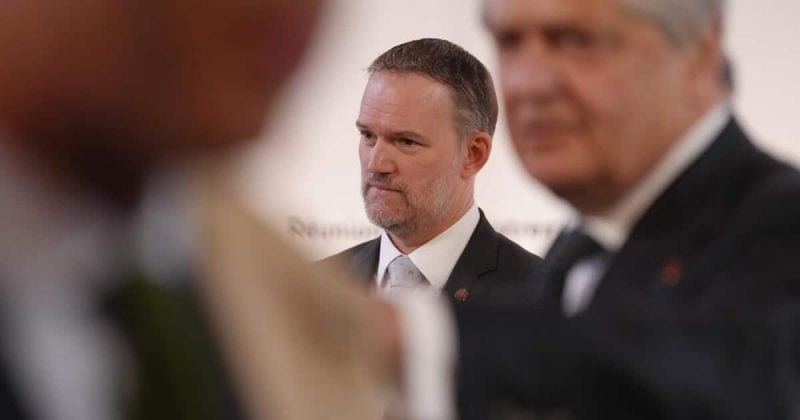
Ambassador Jamieson Greer, the US Trade Representative, framed the initiative around fairness. He argued that other nations’ inaction on forced labor creates an “unlevel playing field” that puts American workers at a disadvantage.
The USTR identified specific products it considers high-risk for forced labor inputs. Rice from Myanmar, tobacco from Malawi, and beef from Brazil all made the list.
Legal context and the Supreme Court shadow
This proposal doesn’t exist in a vacuum. It arrives after the Supreme Court struck down broader tariffs in February 2026 that had been imposed under the International Emergency Economic Powers Act (IEEPA).
So the administration pivoted. Instead of relying on emergency powers, the USTR launched a Section 301 investigation, a more traditional and legally tested route for imposing trade-related tariffs.
The plan is still in its early stages. Public comment periods and hearings are scheduled to begin on July 7, 2026.
Both the EU and China have pushed back, denying the forced labor allegations leveled against their economies, with the EU labeling the newly proposed tariffs “unjustified.”
Approximately 27.6 million people globally were trapped in forced labor as of 2021, according to the data cited in the USTR’s investigation.
What this means for investors
Companies with deep supply chain exposure to the targeted countries should be on every investor’s watchlist right now. Agribusiness firms sourcing beef from Brazil, food companies importing rice from Southeast Asia, and tobacco companies with African supply lines all face potential margin compression if these tariffs move from proposal to policy.
The two-tier structure also creates an interesting dynamic for companies with flexible sourcing. A 10% tariff on Canadian goods versus 12.5% on Chinese goods could accelerate supply chain shifts that were already underway.
The July 7 hearing date is the next critical milestone. Investors who remember the 2018-2019 trade war know that the gap between proposal and implementation is where the real volatility lives, with every diplomatic exchange between Washington and its 60 targets creating potential for sharp moves in trade-sensitive equities and commodities.