
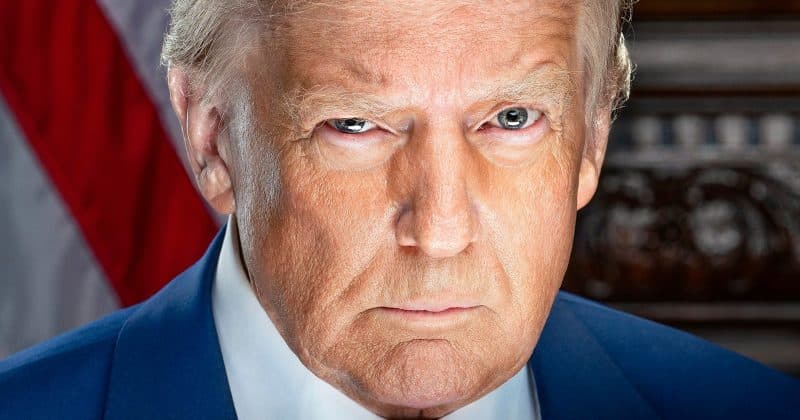
Trump’s tariffs threaten stability of US-Mexico-Canada trade deal
The USMCA faces its first joint review in July 2026 as aggressive tariff policies cast doubt on the trilateral agreement's future
The trade agreement that was supposed to bring lasting stability to North American commerce is looking increasingly fragile. Trump administration tariffs, including a 25% levy on non-compliant imports from Mexico and Canada, are straining the very framework the former president once championed as a signature achievement of his first term.
The US-Mexico-Canada Agreement, or USMCA, faces its first joint review period beginning July 1, 2026. If the three nations can’t reach consensus on renewal, the deal shifts from a comfortable 16-year review cycle to annual assessments.
What the tariffs actually look like
The policy landscape has evolved rapidly since early 2025. A 25% tariff on non-compliant goods from Mexico and Canada took effect on March 4, 2025. On top of that, a 50% tariff hit steel, aluminum, and copper imports, with the most recent metals adjustment taking effect on June 8, 2026, according to US Trade Representative Jamieson Greer.
Over 84-85% of US trade with Mexico and Canada still flows tariff-free under existing USMCA provisions. The tariffs target goods that fall outside the agreement’s compliance rules, which means the bulk of trilateral commerce remains technically untouched.
Trump indicated on June 10, 2026, that he’s reluctant to renew the USMCA in its current form, preferring bilateral deals instead. Canadian and Mexican leaders have pushed back, advocating for stability in trade relations over piecemeal renegotiation.
The news moving money, markets, and the world—before your day starts.
Daily. Free. Join 34,000+ readers across crypto, finance, and policy.
Without renewal by July 2026, the USMCA is set to automatically expire in 2036. The shift to annual reviews would introduce recurring uncertainty every single year between now and then.
Why crypto markets care about North American trade policy
When the initial tariff increases were announced, crypto markets experienced a sharp volatility spike. Bitcoin dropped notably from levels near $88,000, a decline that tracked closely with broader risk-off sentiment across global markets.
What this means for investors
The near-term outlook is defined by two competing forces. On one side, the vast majority of US trade with its northern and southern neighbors remains tariff-free under current USMCA provisions. On the other side, the administration has shown no signs of softening its stance, and Greer has reiterated the commitment to enforcing existing tariffs.
A Supreme Court ruling in February 2026 did limit certain emergency powers related to tariffs, which could constrain the administration’s ability to escalate further without congressional approval.
For crypto-focused investors, the key variable to watch isn’t the tariff rate itself. It’s the trajectory of negotiations heading into the July 2026 review. A smooth renewal would likely remove a significant source of macro uncertainty. A breakdown in talks, or a shift to annual reviews, would inject recurring uncertainty into markets at regular intervals.