
Trump threatens to resume bombing campaign if Iran does not comply

Trump threatens to resume bombing campaign if Iran does not comply

The president's ultimatum ahead of Switzerland talks adds fresh uncertainty to crypto markets already rattled by geopolitical risk

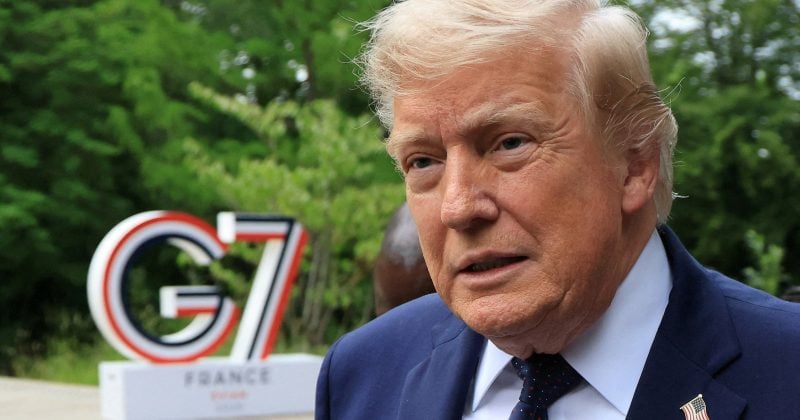
President Donald Trump warned on June 17 that US military strikes against Iran could resume if an ongoing memorandum of understanding fails to meet his standards. “The MOU is not final,” Trump stated, coupling the threat with a demand that Iran “behave” or face renewed bombing.

The threat lands just days before negotiators from both sides are expected to meet in Switzerland around June 19. It also follows a wave of US airstrikes against Iranian targets earlier this month, making this the sharpest escalation in the 2026 Iran conflict to date.

For crypto markets, the timing is brutal. Bitcoin had already dipped below $77K in June as geopolitical risk sentiment intensified, and the latest saber-rattling introduces another round of volatility into an already jittery market.

What’s actually happening between the US and Iran

At its core sit three issues: Iran’s nuclear program, navigation rights through the Strait of Hormuz, and the broader question of whether any diplomatic framework can survive Trump’s negotiating style.

Advertisement

US airstrikes against Iranian targets in early June marked a dramatic escalation. Those strikes preceded the current round of threats, meaning Trump is essentially warning he’ll do again what he already did, unless Iran agrees to terms that haven’t been finalized yet.

The Strait of Hormuz factor is particularly important. Roughly one-fifth of the world’s oil supply passes through that chokepoint. Any disruption there sends energy prices surging, which ripples through every asset class on the planet.

Crypto markets feel the tremors

Bitcoin’s price action in June has been a real-time barometer of geopolitical anxiety. The dip below $77K tracked directly with the escalation timeline, and prices rebounded when whispers of de-escalation or strike cancellations surfaced.

Meanwhile, US authorities have seized approximately $1 billion in Iranian-linked crypto assets as part of sanctions enforcement. That signals a serious crackdown on the use of digital currencies to circumvent the sanctions regime, and it adds a regulatory overhang to the already complicated market picture.

What this means for investors

The $1 billion in seized Iranian crypto assets demonstrates that the US government is willing and able to use its enforcement apparatus aggressively in the digital asset space when national security is on the line.

The historical parallel worth studying is 2020, when the US killed Iranian General Qasem Soleimani and Bitcoin initially spiked on the “digital gold” narrative before settling back down. The difference now is that the conflict is more sustained, the strikes are broader in scope, and crypto markets are significantly larger and more liquid.

Traders should also consider the secondary effects of intensified sanctions enforcement. If the US continues seizing crypto assets tied to Iranian entities at this scale, it could accelerate regulatory frameworks around sanctions compliance for exchanges and DeFi protocols.

Disclosure: This article was edited by Editorial Team. For more information on how we create and review content, see our Editorial Policy.

Trump threatens to resume bombing campaign if Iran does not comply

Trump threatens to resume bombing campaign if Iran does not comply

The president's ultimatum ahead of Switzerland talks adds fresh uncertainty to crypto markets already rattled by geopolitical risk

President Donald Trump warned on June 17 that US military strikes against Iran could resume if an ongoing memorandum of understanding fails to meet his standards. “The MOU is not final,” Trump stated, coupling the threat with a demand that Iran “behave” or face renewed bombing.

The threat lands just days before negotiators from both sides are expected to meet in Switzerland around June 19. It also follows a wave of US airstrikes against Iranian targets earlier this month, making this the sharpest escalation in the 2026 Iran conflict to date.

For crypto markets, the timing is brutal. Bitcoin had already dipped below $77K in June as geopolitical risk sentiment intensified, and the latest saber-rattling introduces another round of volatility into an already jittery market.

What’s actually happening between the US and Iran

At its core sit three issues: Iran’s nuclear program, navigation rights through the Strait of Hormuz, and the broader question of whether any diplomatic framework can survive Trump’s negotiating style.

Advertisement

US airstrikes against Iranian targets in early June marked a dramatic escalation. Those strikes preceded the current round of threats, meaning Trump is essentially warning he’ll do again what he already did, unless Iran agrees to terms that haven’t been finalized yet.

The Strait of Hormuz factor is particularly important. Roughly one-fifth of the world’s oil supply passes through that chokepoint. Any disruption there sends energy prices surging, which ripples through every asset class on the planet.

Crypto markets feel the tremors

Bitcoin’s price action in June has been a real-time barometer of geopolitical anxiety. The dip below $77K tracked directly with the escalation timeline, and prices rebounded when whispers of de-escalation or strike cancellations surfaced.

Meanwhile, US authorities have seized approximately $1 billion in Iranian-linked crypto assets as part of sanctions enforcement. That signals a serious crackdown on the use of digital currencies to circumvent the sanctions regime, and it adds a regulatory overhang to the already complicated market picture.

What this means for investors

The $1 billion in seized Iranian crypto assets demonstrates that the US government is willing and able to use its enforcement apparatus aggressively in the digital asset space when national security is on the line.

The historical parallel worth studying is 2020, when the US killed Iranian General Qasem Soleimani and Bitcoin initially spiked on the “digital gold” narrative before settling back down. The difference now is that the conflict is more sustained, the strikes are broader in scope, and crypto markets are significantly larger and more liquid.

Traders should also consider the secondary effects of intensified sanctions enforcement. If the US continues seizing crypto assets tied to Iranian entities at this scale, it could accelerate regulatory frameworks around sanctions compliance for exchanges and DeFi protocols.

Disclosure: This article was edited by Editorial Team. For more information on how we create and review content, see our Editorial Policy.