
Trump threatens strikes on Iranian power plants and bridges as Hormuz tensions escalate

Trump threatens strikes on Iranian power plants and bridges as Hormuz tensions escalate

The US president's latest ultimatum raises the stakes in a conflict that's already rattling global energy markets and crypto trading desks alike

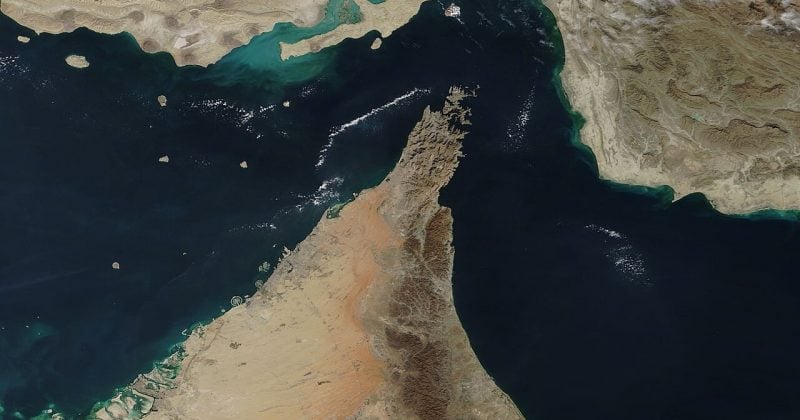
Donald Trump issued his most direct infrastructure threat yet against Iran on July 14, warning that US forces would target the country’s power plants and bridges within days unless Tehran returned to the negotiating table. The target of those negotiations: control of the Strait of Hormuz, the narrow waterway through which a significant portion of the world’s seaborne oil passes every single day.

US Central Command had already conducted dozens of airstrikes against Iranian missile and drone sites in the days surrounding the announcement, and the US reimposed a naval blockade on Iranian ports the same day Trump made his remarks on Fox News.

How we got here

The immediate trigger was a series of Iranian attacks on commercial vessels in the Strait of Hormuz on July 6 and 7. Those attacks on tanker traffic effectively torched a June memorandum of understanding that had been quietly designed to prevent exactly this kind of escalation.

Advertisement

Iran’s decision to go after commercial shipping gave Washington its justification for the airstrikes that followed over multiple nights around July 13 and 14.

The infrastructure threat Trump issued now represents a qualitative step up from targeting military sites. Power plants and bridges are civilian infrastructure, and that distinction matters both diplomatically and in terms of how markets price risk.

What this does to markets

When Trump issued similar threats toward Iran in the spring of 2026, oil prices moved higher while Bitcoin declined by approximately 2.8%. That correlation reflects a consistent investor behavior: when geopolitical risk spikes, capital rotates toward traditional safe havens and away from assets perceived as speculative.

Oil price spikes from Hormuz tensions also carry a second-order effect for crypto. Energy costs are a material input for proof-of-work mining operations. When energy prices rise sharply and sustained, mining economics get squeezed, which can dampen hash rate growth and add another layer of selling pressure to Bitcoin specifically.

What investors should watch

The infrastructure threat specifically introduces a variable that markets haven’t had to price yet. Strikes on power plants and bridges inside Iran would represent a different category of military action than hitting missile sites, and the international response from European allies, Gulf states, and China as a major Iranian oil buyer would carry its own market consequences.

For crypto investors, the spring 2026 precedent of a roughly 2.8% Bitcoin decline during a prior Trump-Iran escalation offers a data point. The current situation is more advanced militarily, the naval blockade is active rather than threatened, and the infrastructure ultimatum raises the potential magnitude of any further escalation significantly.

The traders most exposed are those running leveraged long positions in a market that has already absorbed considerable macro uncertainty in 2026. A sharp oil price move combined with a broad risk-off sentiment shift is exactly the kind of dual catalyst that forces liquidations and amplifies downside moves.

Disclosure: This article was edited by Editorial Team. For more information on how we create and review content, see our Editorial Policy.

Trump threatens strikes on Iranian power plants and bridges as Hormuz tensions escalate

Trump threatens strikes on Iranian power plants and bridges as Hormuz tensions escalate

The US president's latest ultimatum raises the stakes in a conflict that's already rattling global energy markets and crypto trading desks alike

Donald Trump issued his most direct infrastructure threat yet against Iran on July 14, warning that US forces would target the country’s power plants and bridges within days unless Tehran returned to the negotiating table. The target of those negotiations: control of the Strait of Hormuz, the narrow waterway through which a significant portion of the world’s seaborne oil passes every single day.

US Central Command had already conducted dozens of airstrikes against Iranian missile and drone sites in the days surrounding the announcement, and the US reimposed a naval blockade on Iranian ports the same day Trump made his remarks on Fox News.

How we got here

The immediate trigger was a series of Iranian attacks on commercial vessels in the Strait of Hormuz on July 6 and 7. Those attacks on tanker traffic effectively torched a June memorandum of understanding that had been quietly designed to prevent exactly this kind of escalation.

Advertisement

Iran’s decision to go after commercial shipping gave Washington its justification for the airstrikes that followed over multiple nights around July 13 and 14.

The infrastructure threat Trump issued now represents a qualitative step up from targeting military sites. Power plants and bridges are civilian infrastructure, and that distinction matters both diplomatically and in terms of how markets price risk.

What this does to markets

When Trump issued similar threats toward Iran in the spring of 2026, oil prices moved higher while Bitcoin declined by approximately 2.8%. That correlation reflects a consistent investor behavior: when geopolitical risk spikes, capital rotates toward traditional safe havens and away from assets perceived as speculative.

Oil price spikes from Hormuz tensions also carry a second-order effect for crypto. Energy costs are a material input for proof-of-work mining operations. When energy prices rise sharply and sustained, mining economics get squeezed, which can dampen hash rate growth and add another layer of selling pressure to Bitcoin specifically.

What investors should watch

The infrastructure threat specifically introduces a variable that markets haven’t had to price yet. Strikes on power plants and bridges inside Iran would represent a different category of military action than hitting missile sites, and the international response from European allies, Gulf states, and China as a major Iranian oil buyer would carry its own market consequences.

For crypto investors, the spring 2026 precedent of a roughly 2.8% Bitcoin decline during a prior Trump-Iran escalation offers a data point. The current situation is more advanced militarily, the naval blockade is active rather than threatened, and the infrastructure ultimatum raises the potential magnitude of any further escalation significantly.

The traders most exposed are those running leveraged long positions in a market that has already absorbed considerable macro uncertainty in 2026. A sharp oil price move combined with a broad risk-off sentiment shift is exactly the kind of dual catalyst that forces liquidations and amplifies downside moves.

Disclosure: This article was edited by Editorial Team. For more information on how we create and review content, see our Editorial Policy.