
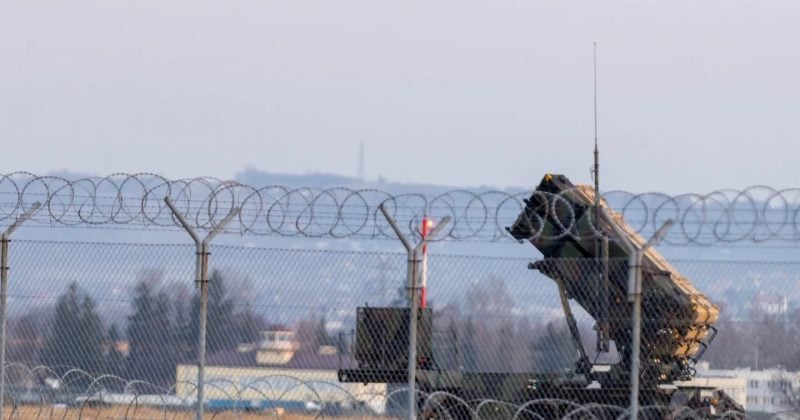
Trump grants Ukraine rights to manufacture Patriot systems at NATO summit, signaling long-term defense commitment
The policy shift from direct military aid to licensed weapons production carries implications for defense sector stocks and crypto markets tracking geopolitical risk.
President Trump stood at a podium in Ankara on July 8 and said something that would have sounded absurd six months ago. He told the world the US would let Ukraine build Patriot air defense systems on its own soil.
“We’ll give them the right to make Patriots. We’ll show them how to do it,” Trump said.
What actually happened at the Ankara summit
The announcement came during the NATO summit in Turkey, following bilateral talks between Trump and Ukrainian President Volodymyr Zelenskyy. The deal grants Ukraine a manufacturing license for Patriot air defense systems, the same missile interceptors that have become critical to Ukraine’s survival as Russian missile barrages continue into the war’s fifth year.
This isn’t a weapons shipment. It’s a technology transfer. Rather than sending finished Patriot batteries across the Atlantic, the US will help Ukraine establish domestic production capacity. Military analysts project that full-scale manufacturing will take several years to stand up.
Discussions around licensed production reportedly began as early as June 2026, with conversations touching not just on Ukraine but on broader European defense manufacturing. The idea of distributing US weapons production across allied nations fits neatly into NATO’s evolving burden-sharing framework.
The macro and market angle
Defense stocks have historically been the most direct beneficiaries of these kinds of announcements. Raytheon, the primary manufacturer of the Patriot system (now part of RTX Corporation), sits at an interesting crossroads. Licensed production in Ukraine could mean new revenue streams through technology licensing fees and component supply agreements. Or it could mean eventual competition from a Ukrainian defense sector that’s been growing rapidly since the war began in 2022.
Ukraine itself became a notable case study in wartime crypto adoption, with the government accepting digital asset donations in the early days of the invasion.
Why this matters beyond the battlefield
The broader NATO context is worth understanding. The alliance has been wrestling with a core tension for years: how to support Ukraine’s defense without dragging member states into direct confrontation with Russia. Licensed manufacturing threads that needle by strengthening Ukraine’s capabilities without putting NATO troops on the front line.
If Ukraine can produce Patriot systems domestically, the template could extend to other allied nations looking to reduce dependence on US defense exports.