
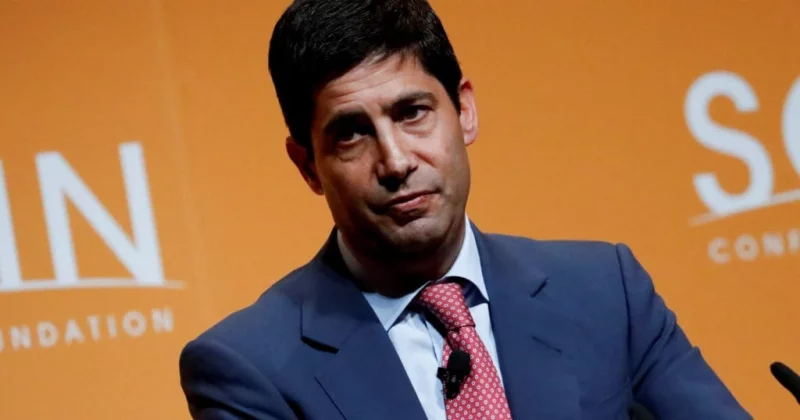
Trump shifts stance on dollar and rates as Warsh takes the Fed’s helm
The president who spent years demanding lower rates is now telling his handpicked Fed Chair to act independently, just as markets brace for the opposite of what he originally wanted.
For years, Donald Trump had a simple monetary policy platform: weaker dollar, lower rates, repeat loudly. Now, with his handpicked Federal Reserve Chair Kevin Warsh officially sworn in, the president is singing a notably different tune.
At Warsh’s swearing-in ceremony on May 22, 2026, Trump struck a tone that would have been unrecognizable to anyone who followed his relentless public pressure campaigns against Jerome Powell. Instead of demanding rate cuts, Trump told Warsh to chart his own course entirely.
“I want Kevin to be totally independent. Don’t look at me, don’t look at anybody, just do your own thing.”
Why the change of heart matters
Inflation is climbing again. Long-term bond yields are rising. And the market, which spent much of the past year pricing in rate cuts, has flipped its expectations entirely. Traders are now positioning for potential rate hikes rather than reductions.
The Warsh factor: hawk in growth-stock clothing
Kevin Warsh is not a newcomer to the Fed. He served as a governor from 2006 to 2011, a period that included navigating the worst financial crisis since the Great Depression. During that era, he built a reputation as one of the more hawkish voices on the board, consistently flagging inflation risks when others were focused on stimulus.
That track record makes his recent messaging interesting. Warsh has been positioning himself as a pro-growth figure, arguing that advances in artificial intelligence could deliver productivity improvements significant enough to allow lower interest rates without stoking inflation.
Warsh has also stated publicly that the Fed should be “strictly independent” in setting monetary policy.
What this means for investors
If Warsh leans into his hawkish instincts and determines that rate hikes are necessary to contain inflation, financial conditions would tighten. That means higher borrowing costs across the board, from mortgages to corporate debt to crypto lending platforms.
On the other hand, if Warsh’s AI productivity thesis proves credible and inflation moderates on its own, there’s a path to easier policy that could be bullish for virtually everything.
The shift from pricing rate cuts to pricing rate hikes tells you where institutional money thinks this is headed.
For crypto specifically, the absence of any digital asset commentary from the Warsh appointment is notable. Warsh’s priorities appear to be squarely focused on traditional monetary policy levers: rates, inflation, and growth.