
Nexo Earn with Nexo
Trump grants Warsh latitude to reshape Federal Reserve

Trump grants Warsh latitude to reshape Federal Reserve

New Fed chair brings crypto-friendly outlook and reform agenda to a central bank facing rising inflation pressures

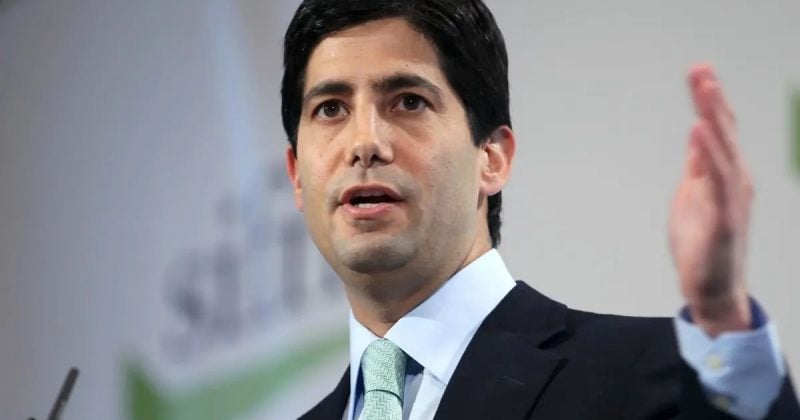
Kevin Warsh was sworn in as Chairman of the Federal Reserve on May 22, 2026, taking the reins from Jerome Powell. President Trump, who nominated Warsh back in January, has signaled he’s giving the new chair room to operate independently.

The Senate confirmed Warsh on a 54-45 vote in mid-May.

A Fed chair with crypto in the portfolio

Warsh’s financial disclosures show indirect investments in somewhere between 20 and 30 digital asset-related entities. Among the notable exposures are substantial positions in projects tied to Solana. Warsh has committed to divesting where necessary to avoid conflicts of interest.

During his Senate confirmation hearings, Warsh offered a line that crypto investors have been replaying on loop.

Advertisement

“Bitcoin does not make me nervous.”

He went further, actively advocating for digital assets to play a role in US finance.

The inflation problem isn’t going anywhere

As of mid-June 2026, bond markets are reflecting roughly a 60% probability of interest rate hikes by December. That’s a sharp reversal from earlier expectations that the Fed’s next move would be a cut.

Warsh’s first Federal Open Market Committee meeting is scheduled for June 16-17, where he’s expected to begin laying out his vision for what he’s calling a “reform-oriented Federal Reserve.”

Warsh served as a Fed governor from 2006 to 2011, meaning he was in the room during the global financial crisis.

What this means for crypto investors

On one hand, potential rate hikes are generally bearish for risk assets, including crypto. Higher rates make safer investments like Treasuries more attractive on a relative basis. If that 60% probability of December hikes materializes into actual policy action, expect headwinds for the broader crypto market.

There’s also the question of how Warsh’s divestment process plays out. His commitment to sell digital asset holdings to avoid conflicts is standard ethics compliance, but the market will parse every filing for signals about timing and which positions he chooses to exit.

Investors should keep a close eye on the June 16-17 FOMC meeting for initial policy signals, any subsequent financial disclosure amendments, and the broader trajectory of inflation data that will ultimately determine whether the hawkish market expectations prove justified.

Disclosure: This article was edited by Editorial Team. For more information on how we create and review content, see our Editorial Policy.

Trump grants Warsh latitude to reshape Federal Reserve

Trump grants Warsh latitude to reshape Federal Reserve

New Fed chair brings crypto-friendly outlook and reform agenda to a central bank facing rising inflation pressures

Kevin Warsh was sworn in as Chairman of the Federal Reserve on May 22, 2026, taking the reins from Jerome Powell. President Trump, who nominated Warsh back in January, has signaled he’s giving the new chair room to operate independently.

The Senate confirmed Warsh on a 54-45 vote in mid-May.

A Fed chair with crypto in the portfolio

Warsh’s financial disclosures show indirect investments in somewhere between 20 and 30 digital asset-related entities. Among the notable exposures are substantial positions in projects tied to Solana. Warsh has committed to divesting where necessary to avoid conflicts of interest.

During his Senate confirmation hearings, Warsh offered a line that crypto investors have been replaying on loop.

Advertisement

“Bitcoin does not make me nervous.”

He went further, actively advocating for digital assets to play a role in US finance.

The inflation problem isn’t going anywhere

As of mid-June 2026, bond markets are reflecting roughly a 60% probability of interest rate hikes by December. That’s a sharp reversal from earlier expectations that the Fed’s next move would be a cut.

Warsh’s first Federal Open Market Committee meeting is scheduled for June 16-17, where he’s expected to begin laying out his vision for what he’s calling a “reform-oriented Federal Reserve.”

Warsh served as a Fed governor from 2006 to 2011, meaning he was in the room during the global financial crisis.

What this means for crypto investors

On one hand, potential rate hikes are generally bearish for risk assets, including crypto. Higher rates make safer investments like Treasuries more attractive on a relative basis. If that 60% probability of December hikes materializes into actual policy action, expect headwinds for the broader crypto market.

There’s also the question of how Warsh’s divestment process plays out. His commitment to sell digital asset holdings to avoid conflicts is standard ethics compliance, but the market will parse every filing for signals about timing and which positions he chooses to exit.

Investors should keep a close eye on the June 16-17 FOMC meeting for initial policy signals, any subsequent financial disclosure amendments, and the broader trajectory of inflation data that will ultimately determine whether the hawkish market expectations prove justified.

Disclosure: This article was edited by Editorial Team. For more information on how we create and review content, see our Editorial Policy.