
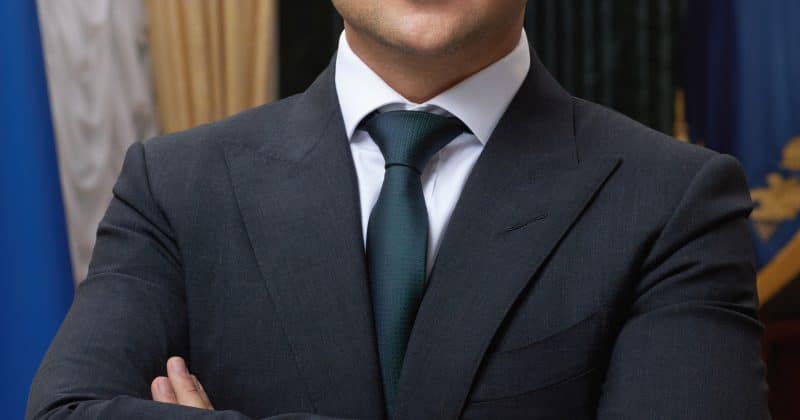
Trump meets Zelensky at G-7, expresses frustration over Ukraine war as geopolitical risk looms for markets
The two leaders held their first bilateral meeting at the summit in France, with Trump signaling impatience over a conflict now in its fifth year
President Donald Trump and Ukrainian President Volodymyr Zelensky sat down together at the G-7 summit in Évian-les-Bains, France on June 16, marking a bilateral meeting that Trump described as “very good.” The pleasantries, however, came wrapped in visible frustration from the US president over a war that has now ground on for more than four years with no resolution in sight.
The meeting set the stage for a planned second one-on-one discussion later the same day, a signal that the conversation had enough momentum to warrant a follow-up.
What happened in France
The two leaders participated in a working session that lasted roughly 75 minutes, joined by other G-7 heads of state. The conversation centered almost entirely on the Russia-Ukraine conflict and what, if anything, could break the diplomatic stalemate.
Trump framed the war’s relevance to the US in starkly transactional terms, stating that the conflict has minimal direct impact on America aside from arms sales to Ukraine.
He also referenced eight previous wars that had ended, apparently positioning himself as someone with a track record of facilitating conclusions to conflicts.
Macro, rates, and crypto—what moved markets and what matters next.
Daily. Free. Join 34,000+ readers across crypto, finance, and policy.
European allies at the summit reportedly urged Trump to help facilitate direct talks between Zelensky and Russian President Vladimir Putin. Trump acknowledged having previously communicated with both leaders but noted that personal tensions between Zelensky and Putin have been a significant obstacle to progress.
Why crypto investors should care about a war summit
The Russia-Ukraine war has been one of the defining macro backdrop stories for risk assets since it began. It reshaped global energy markets, accelerated sanctions infrastructure that directly touched crypto rails, and contributed to the inflationary environment that prompted the aggressive rate-hiking cycle of 2022-2023.
For the sanctions regime specifically, any peace deal would raise immediate questions about the future of Russian sanctions, which have had direct consequences for crypto. Russian entities have been cut off from SWIFT, pushed toward alternative payment rails, and in some cases reportedly turned to crypto to circumvent restrictions. A relaxation of sanctions could reshape compliance requirements for exchanges and stablecoin issuers who have spent years building infrastructure to screen for sanctioned wallets.
The stablecoin market, now a multi-hundred-billion-dollar segment of crypto, is particularly sensitive to sanctions policy. Tether and Circle have both invested heavily in compliance tools designed to freeze or blacklist wallets associated with sanctioned entities.
Trump’s comment that the war’s impact on America amounts to weapons sales suggests an administration that views continued engagement as optional rather than strategic. That’s a departure from the posture of both the current European consensus and previous US policy.