
Nexo Earn with Nexo
TSMC CEO sees strong growth in autonomous driving and robotics as chip demand expands

TSMC CEO sees strong growth in autonomous driving and robotics as chip demand expands

C.C. Wei outlined a vision where physical AI applications become TSMC's next major growth engine, backed by the company's near-total dominance in robotics chip manufacturing.

TSMC isn’t just riding the AI wave anymore. It’s steering it toward the physical world.

In a June 4, 2026 communication to shareholders, TSMC Chairman and CEO C.C. Wei laid out the company’s long-term growth thesis: autonomous vehicles and robotics represent the next frontier for semiconductor demand, and TSMC is positioned to capture nearly all of it.

The numbers back up the confidence. TSMC currently produces approximately 95% of the world’s robotics chips, many designed in collaboration with Nvidia and AMD.

The 30% growth machine

Wei projected a sustained annual revenue growth rate of 30% into 2026, with no expected slowdown in capital expenditure.

Advertisement

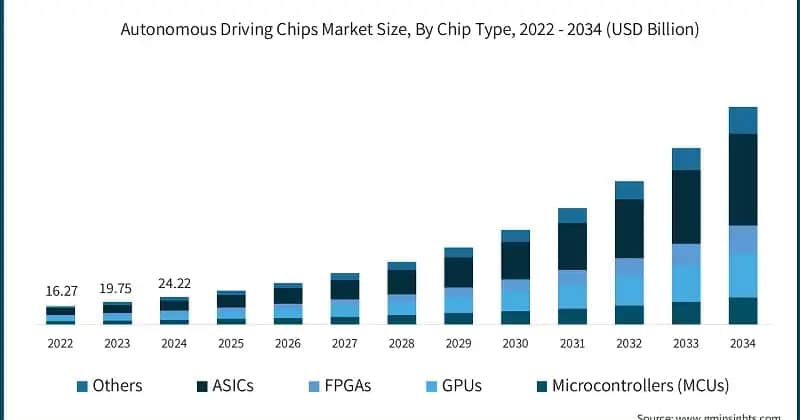
That’s precisely where autonomous driving and robotics come in. These sectors demand the kind of advanced, high-performance chips that TSMC specializes in producing. The company’s Automotive Platform, which supports advanced nodes like N3A and N5A, is specifically designed for advanced driver assistance systems and fully autonomous applications.

Wei emphasized that TSMC’s chip production leadership extends well beyond traditional data centers and consumer electronics. The company is deliberately positioning itself as the manufacturing backbone for what the industry has started calling “physical AI,” the application of artificial intelligence to machines that interact with the real world rather than just processing data in server racks.

The broader industry bet on physical AI

TSMC isn’t making this bet in isolation. Nvidia CEO Jensen Huang has called the 2020s “the decade of AV, robotics, autonomous machines.”

TSMC’s Automotive Platform has been building toward this moment. The company set milestones for volume production of automotive-grade advanced node chips between 2023 and 2025, establishing the manufacturing foundation needed to serve automakers and robotics companies at scale.

What this means for investors

Here’s the thing about TSMC’s 95% share of robotics chip production: it means virtually every company building robots or autonomous systems is already a TSMC customer, whether directly or through fabless chip designers like Nvidia.

The 30% growth projection without reduced capital expenditure is worth watching closely, though. Sustained spending at that level means TSMC is betting heavily on demand materializing. If the autonomous vehicle and robotics markets develop more slowly than expected, TSMC could end up with expensive manufacturing capacity sitting underutilized.

Investors monitoring the semiconductor supply chain should pay attention to whether TSMC’s automotive and robotics revenue begins showing up as a distinct growth category in future earnings reports. Right now, the company’s AI-related revenue is largely driven by data center demand. The transition toward physical AI as a meaningful revenue contributor would validate Wei’s thesis and potentially signal a second leg of growth for the entire advanced semiconductor ecosystem.

Disclosure: This article was edited by Editorial Team. For more information on how we create and review content, see our Editorial Policy.

TSMC CEO sees strong growth in autonomous driving and robotics as chip demand expands

TSMC CEO sees strong growth in autonomous driving and robotics as chip demand expands

C.C. Wei outlined a vision where physical AI applications become TSMC's next major growth engine, backed by the company's near-total dominance in robotics chip manufacturing.

TSMC isn’t just riding the AI wave anymore. It’s steering it toward the physical world.

In a June 4, 2026 communication to shareholders, TSMC Chairman and CEO C.C. Wei laid out the company’s long-term growth thesis: autonomous vehicles and robotics represent the next frontier for semiconductor demand, and TSMC is positioned to capture nearly all of it.

The numbers back up the confidence. TSMC currently produces approximately 95% of the world’s robotics chips, many designed in collaboration with Nvidia and AMD.

The 30% growth machine

Wei projected a sustained annual revenue growth rate of 30% into 2026, with no expected slowdown in capital expenditure.

Advertisement

That’s precisely where autonomous driving and robotics come in. These sectors demand the kind of advanced, high-performance chips that TSMC specializes in producing. The company’s Automotive Platform, which supports advanced nodes like N3A and N5A, is specifically designed for advanced driver assistance systems and fully autonomous applications.

Wei emphasized that TSMC’s chip production leadership extends well beyond traditional data centers and consumer electronics. The company is deliberately positioning itself as the manufacturing backbone for what the industry has started calling “physical AI,” the application of artificial intelligence to machines that interact with the real world rather than just processing data in server racks.

The broader industry bet on physical AI

TSMC isn’t making this bet in isolation. Nvidia CEO Jensen Huang has called the 2020s “the decade of AV, robotics, autonomous machines.”

TSMC’s Automotive Platform has been building toward this moment. The company set milestones for volume production of automotive-grade advanced node chips between 2023 and 2025, establishing the manufacturing foundation needed to serve automakers and robotics companies at scale.

What this means for investors

Here’s the thing about TSMC’s 95% share of robotics chip production: it means virtually every company building robots or autonomous systems is already a TSMC customer, whether directly or through fabless chip designers like Nvidia.

The 30% growth projection without reduced capital expenditure is worth watching closely, though. Sustained spending at that level means TSMC is betting heavily on demand materializing. If the autonomous vehicle and robotics markets develop more slowly than expected, TSMC could end up with expensive manufacturing capacity sitting underutilized.

Investors monitoring the semiconductor supply chain should pay attention to whether TSMC’s automotive and robotics revenue begins showing up as a distinct growth category in future earnings reports. Right now, the company’s AI-related revenue is largely driven by data center demand. The transition toward physical AI as a meaningful revenue contributor would validate Wei’s thesis and potentially signal a second leg of growth for the entire advanced semiconductor ecosystem.

Disclosure: This article was edited by Editorial Team. For more information on how we create and review content, see our Editorial Policy.