
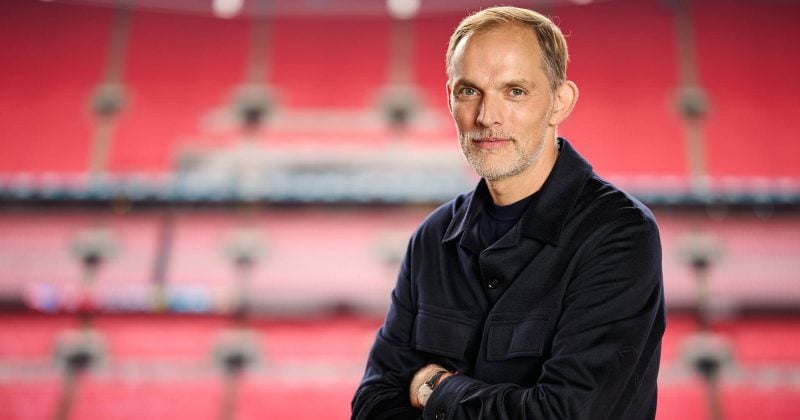
Thomas Tuchel slams World Cup third-place playoff as crypto markets ride tournament volatility
England's manager calls the consolation match a fixture that 'should never be played,' while fan tokens and memecoins surge on elimination drama
Hours after England’s semifinal loss to Argentina at the 2026 FIFA World Cup, manager Thomas Tuchel didn’t hold back. The third-place playoff, he argued, is a match nobody actually wants to play.
“None of the players want to play this match,” Tuchel said on July 15, calling it a fixture that “should never be played.”
The case against the bronze medal match
England will now face France in the consolation match. This particular World Cup has been a sprawling affair, co-hosted across the US, Canada, and Mexico with an expanded 48-team format, making the 2026 tournament the largest in FIFA history.
Fan tokens and memecoins catch the World Cup wave
This World Cup has been notably intertwined with the digital asset industry. FIFA announced Kraken as its Official Crypto Exchange Supporter on June 9, marking one of the highest-profile crypto sponsorship deals in international sports.
Trading activity in World Cup-related fan tokens spiked notably following England’s semifinal elimination. Platforms like Chiliz and Socios.com, which power fan token ecosystems for major sports organizations, have seen increased engagement as the tournament progresses into its final stages.
The news moving money, markets, and the world—before your day starts.
Daily. Free. Join 34,000+ readers across crypto, finance, and policy.
Solana-based memecoins tied to the tournament have also caught attention. A token called W26, loosely associated with World Cup speculation, saw surging trading volume in the aftermath of England’s exit.
Fan tokens initially gained traction during the 2022 World Cup in Qatar, and the 2026 edition, with its expanded format and deeper crypto sponsorship integration, has amplified the effect considerably.
What this means for crypto investors watching the tournament
Fan tokens and tournament-linked memecoins are extraordinarily sensitive to short-term news. They can spike on a single goal and crater on a red card.
The Kraken sponsorship deal signals that major exchanges view these events as customer acquisition opportunities, meaning more liquidity flowing into sports-adjacent tokens during tournament windows and more pronounced price action around key results.