
Nexo Earn with Nexo
UAE condemns drone attack on Barakah nuclear plant as terrorist act

UAE condemns drone attack on Barakah nuclear plant as terrorist act

Iran-backed Iraqi militias targeted the $20 billion facility with drones on May 17, prompting UN Security Council condemnation and a spike in oil prices.

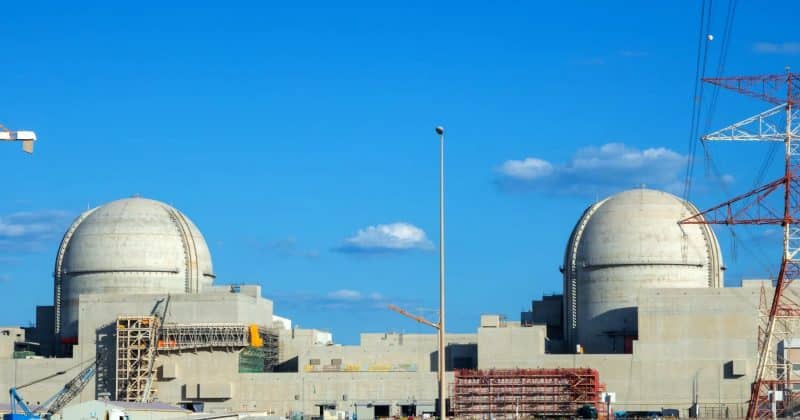
A drone strike hit the Barakah Nuclear Energy Plant in Abu Dhabi’s Al Dhafra region on May 17, marking what may be the first deliberate attack on a commercial nuclear facility in the Middle East. The UAE immediately labeled it a terrorist act.

One drone struck an external electricity generator, causing a contained fire. Two additional drones were intercepted before reaching their targets. No injuries were reported, radiation levels stayed normal, and plant operations continued without disruption.

The UAE’s Defense Ministry confirmed all three drones originated from Iraqi territory, pointing to Iran-backed militias as the suspected perpetrators. The UN Security Council unanimously condemned the strike, with nations including Saudi Arabia, India, and Canada issuing statements calling it an unacceptable act against peaceful nuclear infrastructure.

What happened at Barakah

The Barakah plant is not some minor installation. Developed in partnership with South Korean firms at a cost of $20 billion, it began commercial operations around 2020-2021 and now supplies approximately 25% of the UAE’s total electricity needs. Attacking it is roughly the equivalent of trying to knock out a quarter of a country’s power grid in one shot.

The drone that made contact hit an external generator, not the reactor itself. Emergency diesel generators supported one reactor during the incident, according to IAEA monitoring. The distinction matters: a hit on auxiliary infrastructure is dangerous, but a breach of reactor containment would be an entirely different category of crisis.

Here’s the thing. Even a “minor” strike on a nuclear facility crosses a threshold that most geopolitical analysts consider a bright red line. Nuclear plants are protected under international law, and targeting one, even with limited damage, invites the kind of global response typically reserved for far larger provocations.

Advertisement

The UAE’s framing of the attack as terrorism rather than a military act is deliberate. It positions the strike outside the bounds of conventional conflict and opens the door to a broader coalition response, potentially including sanctions and military cooperation agreements with allied nations.

Oil markets react, crypto watches

Oil prices briefly surged to a two-week high in the immediate aftermath. That reaction was predictable. Any credible threat to energy infrastructure in the Gulf region tends to send crude futures upward, even when the actual disruption is minimal.

Look, the Barakah plant produces electricity, not oil. But markets don’t parse those details calmly when drones are hitting nuclear facilities in the world’s most energy-sensitive region. The spike reflected a broader anxiety about escalation, not a specific supply calculation.

For crypto markets, the direct impact was negligible. Bitcoin didn’t move meaningfully on the news, and no major token saw unusual volume tied to the event. That said, the broader context is worth paying attention to.

Iran-linked tensions have historically intersected with digital asset narratives in one specific way: sanctions evasion. Previous rounds of US sanctions on Iran prompted documented instances of Bitcoin being used to circumvent financial restrictions. If this attack triggers a new cycle of sanctions, whether on Iraqi militias, Iranian proxies, or their financial networks, regulators may once again scrutinize crypto’s role in facilitating prohibited transactions.

That scrutiny tends to show up in the form of enforcement actions, exchange compliance requirements, and occasionally new legislation. None of that is happening yet in response to this specific incident, but the pattern is well-established enough that traders should have it on their radar.

What this means for investors

The immediate market implications are concentrated in energy. A two-week high in oil prices is notable but not dramatic. The more important question is whether this attack represents a one-off provocation or the beginning of an escalation cycle.

If Iran-backed groups are willing to target a nuclear power plant, the calculus for Gulf energy security changes meaningfully. The UAE and its allies will likely increase defense spending, potentially accelerating deals for anti-drone systems and missile defense. Defense contractors with exposure to the region could benefit.

For crypto investors specifically, the risk pathway runs through sanctions and regulatory tightening. Every major geopolitical crisis involving sanctioned actors renews the debate about whether digital assets enable bad actors. That debate, regardless of its merits, tends to produce policy responses that affect exchanges, DeFi protocols, and privacy-focused tokens.

There’s also the safe-haven narrative to consider. Bitcoin has spent years trying to establish itself as digital gold, the asset you buy when the world gets scary. Events like a nuclear plant attack are exactly the kind of catalyst that could test that thesis. So far, the market’s response suggests Bitcoin hasn’t fully earned that status yet, at least not for this type of geopolitical shock.

The competitive landscape for stablecoins could also shift if sanctions regimes expand. Tether and Circle have both faced questions about their ability to enforce compliance with US sanctions lists. A new wave of Iran-related restrictions would put those questions back in the spotlight, potentially benefiting more regulated alternatives or pushing volume toward decentralized stablecoin protocols that operate outside traditional compliance frameworks.

Investors watching the region should track two things: whether Iraq takes meaningful steps to prevent further launches from its territory, and whether the US or EU responds with new sanctions targeting the militia networks involved. Either development could ripple through both traditional and digital asset markets in ways that are difficult to predict but important to position for.

Disclosure: This article was edited by Editorial Team. For more information on how we create and review content, see our Editorial Policy.

UAE condemns drone attack on Barakah nuclear plant as terrorist act

UAE condemns drone attack on Barakah nuclear plant as terrorist act

Iran-backed Iraqi militias targeted the $20 billion facility with drones on May 17, prompting UN Security Council condemnation and a spike in oil prices.

A drone strike hit the Barakah Nuclear Energy Plant in Abu Dhabi’s Al Dhafra region on May 17, marking what may be the first deliberate attack on a commercial nuclear facility in the Middle East. The UAE immediately labeled it a terrorist act.

One drone struck an external electricity generator, causing a contained fire. Two additional drones were intercepted before reaching their targets. No injuries were reported, radiation levels stayed normal, and plant operations continued without disruption.

The UAE’s Defense Ministry confirmed all three drones originated from Iraqi territory, pointing to Iran-backed militias as the suspected perpetrators. The UN Security Council unanimously condemned the strike, with nations including Saudi Arabia, India, and Canada issuing statements calling it an unacceptable act against peaceful nuclear infrastructure.

What happened at Barakah

The Barakah plant is not some minor installation. Developed in partnership with South Korean firms at a cost of $20 billion, it began commercial operations around 2020-2021 and now supplies approximately 25% of the UAE’s total electricity needs. Attacking it is roughly the equivalent of trying to knock out a quarter of a country’s power grid in one shot.

The drone that made contact hit an external generator, not the reactor itself. Emergency diesel generators supported one reactor during the incident, according to IAEA monitoring. The distinction matters: a hit on auxiliary infrastructure is dangerous, but a breach of reactor containment would be an entirely different category of crisis.

Here’s the thing. Even a “minor” strike on a nuclear facility crosses a threshold that most geopolitical analysts consider a bright red line. Nuclear plants are protected under international law, and targeting one, even with limited damage, invites the kind of global response typically reserved for far larger provocations.

Advertisement

The UAE’s framing of the attack as terrorism rather than a military act is deliberate. It positions the strike outside the bounds of conventional conflict and opens the door to a broader coalition response, potentially including sanctions and military cooperation agreements with allied nations.

Oil markets react, crypto watches

Oil prices briefly surged to a two-week high in the immediate aftermath. That reaction was predictable. Any credible threat to energy infrastructure in the Gulf region tends to send crude futures upward, even when the actual disruption is minimal.

Look, the Barakah plant produces electricity, not oil. But markets don’t parse those details calmly when drones are hitting nuclear facilities in the world’s most energy-sensitive region. The spike reflected a broader anxiety about escalation, not a specific supply calculation.

For crypto markets, the direct impact was negligible. Bitcoin didn’t move meaningfully on the news, and no major token saw unusual volume tied to the event. That said, the broader context is worth paying attention to.

Iran-linked tensions have historically intersected with digital asset narratives in one specific way: sanctions evasion. Previous rounds of US sanctions on Iran prompted documented instances of Bitcoin being used to circumvent financial restrictions. If this attack triggers a new cycle of sanctions, whether on Iraqi militias, Iranian proxies, or their financial networks, regulators may once again scrutinize crypto’s role in facilitating prohibited transactions.

That scrutiny tends to show up in the form of enforcement actions, exchange compliance requirements, and occasionally new legislation. None of that is happening yet in response to this specific incident, but the pattern is well-established enough that traders should have it on their radar.

What this means for investors

The immediate market implications are concentrated in energy. A two-week high in oil prices is notable but not dramatic. The more important question is whether this attack represents a one-off provocation or the beginning of an escalation cycle.

If Iran-backed groups are willing to target a nuclear power plant, the calculus for Gulf energy security changes meaningfully. The UAE and its allies will likely increase defense spending, potentially accelerating deals for anti-drone systems and missile defense. Defense contractors with exposure to the region could benefit.

For crypto investors specifically, the risk pathway runs through sanctions and regulatory tightening. Every major geopolitical crisis involving sanctioned actors renews the debate about whether digital assets enable bad actors. That debate, regardless of its merits, tends to produce policy responses that affect exchanges, DeFi protocols, and privacy-focused tokens.

There’s also the safe-haven narrative to consider. Bitcoin has spent years trying to establish itself as digital gold, the asset you buy when the world gets scary. Events like a nuclear plant attack are exactly the kind of catalyst that could test that thesis. So far, the market’s response suggests Bitcoin hasn’t fully earned that status yet, at least not for this type of geopolitical shock.

The competitive landscape for stablecoins could also shift if sanctions regimes expand. Tether and Circle have both faced questions about their ability to enforce compliance with US sanctions lists. A new wave of Iran-related restrictions would put those questions back in the spotlight, potentially benefiting more regulated alternatives or pushing volume toward decentralized stablecoin protocols that operate outside traditional compliance frameworks.

Investors watching the region should track two things: whether Iraq takes meaningful steps to prevent further launches from its territory, and whether the US or EU responds with new sanctions targeting the militia networks involved. Either development could ripple through both traditional and digital asset markets in ways that are difficult to predict but important to position for.

Disclosure: This article was edited by Editorial Team. For more information on how we create and review content, see our Editorial Policy.