
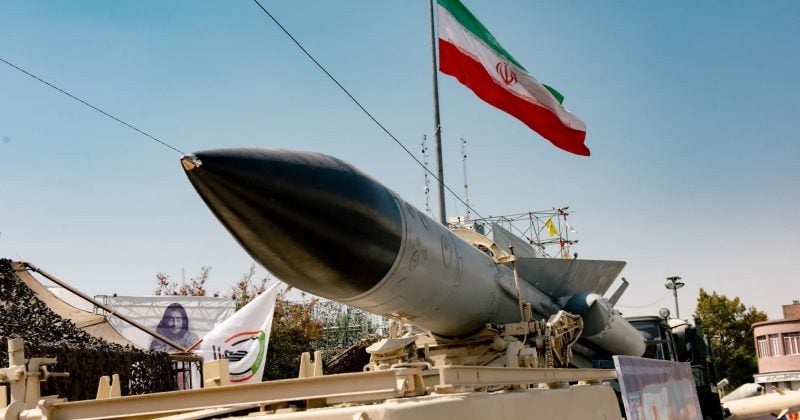
UAE condemns Iranian missile and drone attacks on Bahrain, Kuwait, and Jordan amid Gulf escalation

UAE condemns Iranian missile and drone attacks on Bahrain, Kuwait, and Jordan amid Gulf escalation

Iran's retaliatory strikes on three Gulf states mark a dangerous new phase in Middle East tensions with broad implications for regional stability and global markets.

The United Arab Emirates formally condemned Iranian missile and drone strikes targeting Bahrain, Kuwait, and Jordan, describing the attacks as violations of national sovereignty and direct threats to regional security. The UAE also voiced explicit support for the defensive measures taken by all three affected nations.

The condemnation, issued on July 14, 2026, came days after Iran launched the strikes as a reprisal following US military action against Iranian targets around July 12, 2026.

What happened and why it matters

Iran’s decision to strike multiple Gulf neighbors simultaneously marks a significant escalation in a conflict that has been building since late February 2026.

Previous rounds of the conflict had already prompted the UAE to intercept hundreds of missiles and drones, meaning Gulf air defense networks have been under sustained and serious pressure for months.

Advertisement

Bahrain, Kuwait, and Jordan all activated air defense systems in response to the latest wave of attacks. Qatar and Oman also activated defenses, reflecting how broadly the threat has spread across the region.

The civilian toll from these specific strikes remained limited, with reports of minor injuries from shrapnel in some areas, though no direct casualties were tied to the UAE’s July 14 condemnation statement.

The UAE’s response is notably pointed. By specifically affirming support for the “security measures” of Bahrain, Kuwait, and Jordan, Abu Dhabi is effectively endorsing whatever defensive or retaliatory posture those governments choose to adopt going forward.

The broader regional picture

Bahrain hosts the US Navy’s Fifth Fleet, making any attack on its territory a particularly sensitive flashpoint. Kuwait borders Iraq, a country where Iranian-aligned militias have historically operated with significant freedom of movement. Jordan, while not a Gulf state, has close ties to both the US and the broader Western-aligned architecture in the region.

The UAE’s own position is complicated. Abu Dhabi has spent years cultivating a pragmatic relationship with Tehran even while aligning closely with US security interests, a balancing act that becomes considerably harder when Iranian missiles are being intercepted over your airspace on a regular basis.

What investors and markets should watch

Traditional energy and commodity markets have the most direct exposure here. The Gulf region sits astride some of the most critical oil and gas shipping lanes in the world, and any sustained degradation of security in the area raises the specter of supply disruption.

For crypto markets specifically, the direct connection to this conflict is limited. Digital asset prices have not shown meaningful correlation to the Gulf confrontations so far in 2026, and the fundamental drivers of crypto valuations, such as interest rate expectations, regulatory developments, and on-chain activity, remain largely insulated from this particular geopolitical storyline.

For now, Gulf equity markets, sovereign debt spreads for the affected nations, and crude oil futures are the most sensitive indicators of how seriously institutional money is taking this escalation.

Disclosure: This article was edited by Editorial Team. For more information on how we create and review content, see our Editorial Policy.

UAE condemns Iranian missile and drone attacks on Bahrain, Kuwait, and Jordan amid Gulf escalation

UAE condemns Iranian missile and drone attacks on Bahrain, Kuwait, and Jordan amid Gulf escalation

Iran's retaliatory strikes on three Gulf states mark a dangerous new phase in Middle East tensions with broad implications for regional stability and global markets.

The United Arab Emirates formally condemned Iranian missile and drone strikes targeting Bahrain, Kuwait, and Jordan, describing the attacks as violations of national sovereignty and direct threats to regional security. The UAE also voiced explicit support for the defensive measures taken by all three affected nations.

The condemnation, issued on July 14, 2026, came days after Iran launched the strikes as a reprisal following US military action against Iranian targets around July 12, 2026.

What happened and why it matters

Iran’s decision to strike multiple Gulf neighbors simultaneously marks a significant escalation in a conflict that has been building since late February 2026.

Previous rounds of the conflict had already prompted the UAE to intercept hundreds of missiles and drones, meaning Gulf air defense networks have been under sustained and serious pressure for months.

Advertisement

Bahrain, Kuwait, and Jordan all activated air defense systems in response to the latest wave of attacks. Qatar and Oman also activated defenses, reflecting how broadly the threat has spread across the region.

The civilian toll from these specific strikes remained limited, with reports of minor injuries from shrapnel in some areas, though no direct casualties were tied to the UAE’s July 14 condemnation statement.

The UAE’s response is notably pointed. By specifically affirming support for the “security measures” of Bahrain, Kuwait, and Jordan, Abu Dhabi is effectively endorsing whatever defensive or retaliatory posture those governments choose to adopt going forward.

The broader regional picture

Bahrain hosts the US Navy’s Fifth Fleet, making any attack on its territory a particularly sensitive flashpoint. Kuwait borders Iraq, a country where Iranian-aligned militias have historically operated with significant freedom of movement. Jordan, while not a Gulf state, has close ties to both the US and the broader Western-aligned architecture in the region.

The UAE’s own position is complicated. Abu Dhabi has spent years cultivating a pragmatic relationship with Tehran even while aligning closely with US security interests, a balancing act that becomes considerably harder when Iranian missiles are being intercepted over your airspace on a regular basis.

What investors and markets should watch

Traditional energy and commodity markets have the most direct exposure here. The Gulf region sits astride some of the most critical oil and gas shipping lanes in the world, and any sustained degradation of security in the area raises the specter of supply disruption.

For crypto markets specifically, the direct connection to this conflict is limited. Digital asset prices have not shown meaningful correlation to the Gulf confrontations so far in 2026, and the fundamental drivers of crypto valuations, such as interest rate expectations, regulatory developments, and on-chain activity, remain largely insulated from this particular geopolitical storyline.

For now, Gulf equity markets, sovereign debt spreads for the affected nations, and crude oil futures are the most sensitive indicators of how seriously institutional money is taking this escalation.

Disclosure: This article was edited by Editorial Team. For more information on how we create and review content, see our Editorial Policy.