
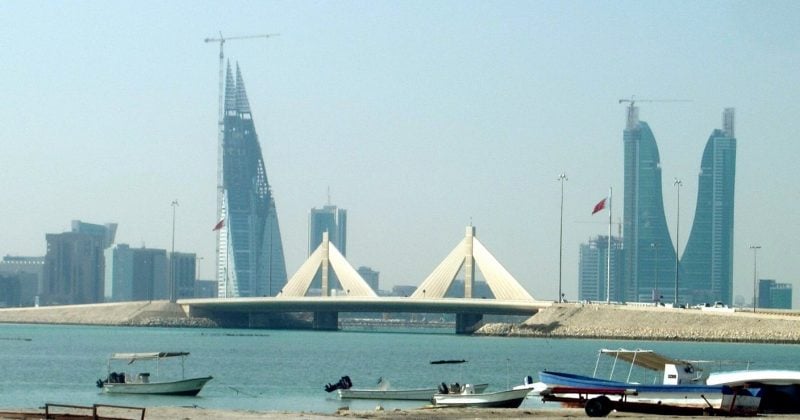
UAE condemns Iranian missile and drone strikes on Bahrain and Jordan amid Gulf tensions

UAE condemns Iranian missile and drone strikes on Bahrain and Jordan amid Gulf tensions

Iran's IRGC claimed responsibility for targeting US-linked military facilities across multiple Gulf states as regional air defenses mobilized

The United Arab Emirates has formally condemned Iran’s missile and drone attacks on Bahrain and Jordan, expressing solidarity with both nations and backing their right to defend their airspace. The statement, issued by the UAE Ministry of Foreign Affairs between July 9 and July 12, 2026, frames the strikes as direct violations of national sovereignty and a serious threat to regional stability.

What happened and who is claiming responsibility

Iran’s Islamic Revolutionary Guard Corps claimed responsibility for the strikes, citing US airstrikes on Iranian positions as justification. The IRGC framed the attacks as retaliatory, targeting what it described as US-linked military installations across Bahrain and Jordan specifically.

Advertisement

In Bahrain, the strikes were directed at sites including the Juffair naval facility and Sheikh Isa Air Base, both of which host US military personnel. Jordan’s Prince Hassan airbase was also among the reported targets. Jordan’s military said it intercepted multiple incoming Iranian missiles. Bahrain and the UAE activated their own air defense systems, with both countries reporting minimal material damage and no casualties documented in initial reports.

The UAE’s condemnation extended beyond Bahrain and Jordan. The Ministry of Foreign Affairs referenced Iranian strikes across a broader arc of Gulf states, including Kuwait, Qatar, and Oman, framing the pattern as a sustained campaign rather than isolated incidents. The statement called for collective security measures to strengthen defenses against what Abu Dhabi characterized as Iranian aggression.

The broader 2026 Iran-US standoff

These strikes are part of a larger conflict that has been building across the Gulf in 2026, centered on the strategic Strait of Hormuz. The waterway is one of the most consequential chokepoints in global trade, handling a significant share of the world’s seaborne oil exports.

What investors should watch

The direct impact on crypto markets from this particular exchange appears limited. Major crypto news sources and market data have not identified correlations between the Gulf strikes and digital asset price movements, and traders have continued focusing on conventional market fundamentals rather than the geopolitical headlines.

Dubai has positioned itself as a global crypto regulatory hub, attracting exchanges, asset managers, and Web3 firms with its Virtual Assets Regulatory Authority framework.

Disclosure: This article was edited by Editorial Team. For more information on how we create and review content, see our Editorial Policy.

UAE condemns Iranian missile and drone strikes on Bahrain and Jordan amid Gulf tensions

UAE condemns Iranian missile and drone strikes on Bahrain and Jordan amid Gulf tensions

Iran's IRGC claimed responsibility for targeting US-linked military facilities across multiple Gulf states as regional air defenses mobilized

The United Arab Emirates has formally condemned Iran’s missile and drone attacks on Bahrain and Jordan, expressing solidarity with both nations and backing their right to defend their airspace. The statement, issued by the UAE Ministry of Foreign Affairs between July 9 and July 12, 2026, frames the strikes as direct violations of national sovereignty and a serious threat to regional stability.

What happened and who is claiming responsibility

Iran’s Islamic Revolutionary Guard Corps claimed responsibility for the strikes, citing US airstrikes on Iranian positions as justification. The IRGC framed the attacks as retaliatory, targeting what it described as US-linked military installations across Bahrain and Jordan specifically.

Advertisement

In Bahrain, the strikes were directed at sites including the Juffair naval facility and Sheikh Isa Air Base, both of which host US military personnel. Jordan’s Prince Hassan airbase was also among the reported targets. Jordan’s military said it intercepted multiple incoming Iranian missiles. Bahrain and the UAE activated their own air defense systems, with both countries reporting minimal material damage and no casualties documented in initial reports.

The UAE’s condemnation extended beyond Bahrain and Jordan. The Ministry of Foreign Affairs referenced Iranian strikes across a broader arc of Gulf states, including Kuwait, Qatar, and Oman, framing the pattern as a sustained campaign rather than isolated incidents. The statement called for collective security measures to strengthen defenses against what Abu Dhabi characterized as Iranian aggression.

The broader 2026 Iran-US standoff

These strikes are part of a larger conflict that has been building across the Gulf in 2026, centered on the strategic Strait of Hormuz. The waterway is one of the most consequential chokepoints in global trade, handling a significant share of the world’s seaborne oil exports.

What investors should watch

The direct impact on crypto markets from this particular exchange appears limited. Major crypto news sources and market data have not identified correlations between the Gulf strikes and digital asset price movements, and traders have continued focusing on conventional market fundamentals rather than the geopolitical headlines.

Dubai has positioned itself as a global crypto regulatory hub, attracting exchanges, asset managers, and Web3 firms with its Virtual Assets Regulatory Authority framework.

Disclosure: This article was edited by Editorial Team. For more information on how we create and review content, see our Editorial Policy.