
United Arab Emirates conducts secret military strikes on Iran
Covert UAE airstrikes on Iran's Lavan Island refinery mark a dramatic escalation in Gulf tensions, with implications rippling far beyond the region's oil infrastructure.
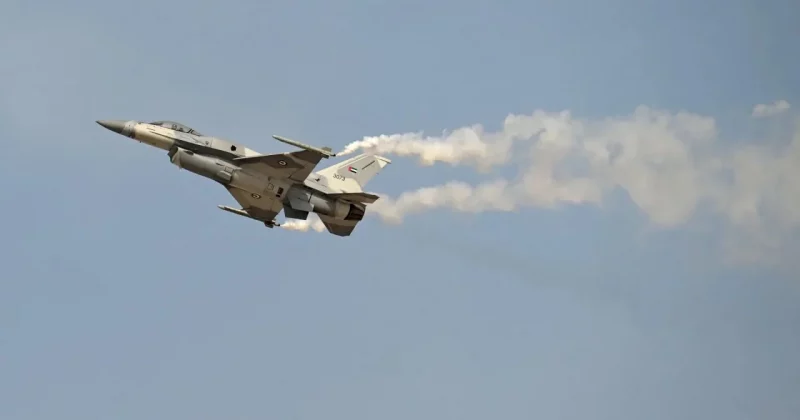
The United Arab Emirates quietly launched military strikes against Iran in early April 2026, targeting a refinery on Lavan Island in the Persian Gulf. The attack caused a large fire and significant damage to production capacity at one of Iran’s strategically important oil export hubs.
The UAE has not publicly confirmed its involvement. Washington reportedly supported the action without fanfare.
What happened on Lavan Island
Lavan Island sits in the Persian Gulf and serves as a critical node in Iran’s oil export infrastructure. The covert airstrikes reportedly caused a large fire at the island’s refinery, dealing serious damage to its production capacity.
These strikes occurred during a period of escalating conflict involving the US, Israel, and Iran, and coincided with a ceasefire announcement by President Trump.
Iran’s response was anything but measured. Tehran launched over 550 ballistic and cruise missiles alongside drones targeting both the UAE and Kuwait.
The strategic calculus behind the secrecy
The UAE has not claimed credit for the strikes. The quiet backing from Washington suggests a coordinated, if informal, alignment between the two governments. The US has long maintained a significant military presence in the UAE, including Al Dhafra Air Base.
The news moving money, markets, and the world—before your day starts.
Daily. Free. Join 34,000+ readers across crypto, finance, and policy.
After years of cautiously rebuilding ties with Iran, including reopening its embassy in Tehran, the decision to launch military action signals a shift in Abu Dhabi’s posture. The choice of target reinforces that reading: Lavan Island is economic infrastructure, not a military installation in the traditional sense.
Regional fallout and the broader conflict
Iran’s response, launching over 550 missiles and drones at the UAE and Kuwait, dragged additional Gulf states into the conflict. Kuwait, which was not believed to have participated in the strikes, found itself targeted nonetheless.
For broader markets, uncertainty drives capital toward perceived safe havens. Gold, US Treasuries, and the dollar typically benefit from these dynamics. There is no credible evidence of significant crypto market movements tied to this specific escalation.
What this means for investors
For crypto-focused investors specifically, the connection to this conflict remains tenuous at best. Bitcoin has occasionally traded as a geopolitical hedge, most notably during earlier US-Iran tensions, but the correlation is inconsistent and short-lived. There’s no structural reason to expect this conflict to drive sustained flows into digital assets unless traditional financial infrastructure in the region faces direct disruption.
If Abu Dhabi is forced, or chooses, to publicly acknowledge its role in the strikes, the diplomatic fallout could reshape alliances across the Gulf in ways that affect oil pricing agreements and bilateral trade flows.