
UBTech sells $334M worth of bionic humanoids in four weeks

UBTech sells $334M worth of bionic humanoids in four weeks

The Shenzhen robotics firm's U1 companion robot racked up 5,000 pre-orders in weeks, signaling a potential inflection point for consumer humanoids

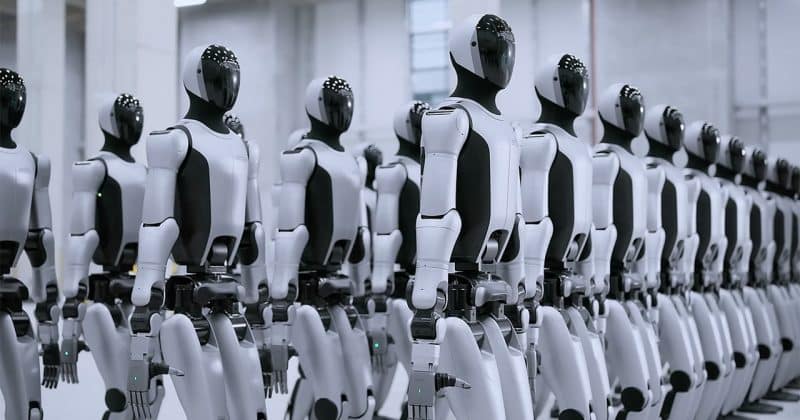
Selling $334 million worth of robots in four weeks is the kind of number that makes you do a double-take. UBTech Robotics, the Shenzhen-based humanoid company, just did exactly that with its new U1 series, a line of companion robots that look less like factory equipment and more like something out of a sci-fi streaming series.

Over 5,000 pre-orders landed within roughly three weeks of the U1’s launch in June 2026. The robots are priced between approximately 119,800 yuan (about $16,600) on the low end and 990,000 yuan (about $137,500) at the top. Do the math, and that pre-order haul translates to approximately $334 million in potential revenue.

What makes the U1 different

The U1 is not an industrial robot with a fresh coat of paint. UBTech is positioning it squarely as a companion, built for households rather than factory floors.

The robots come in male and female variants, both equipped with 88 degrees of freedom. In English: they can move in 88 distinct ways, giving them a range of motion that edges closer to human expressiveness than anything you’d find on an assembly line.

Advertisement

The headline feature, though, is the emotional AI layer. The U1 is designed to read and adapt to a user’s mood over time.

Shipments are expected to begin by September 2026. UBTech’s production target for the U1 is more than 10,000 units annually once scaled.

Context: UBTech’s industrial baseline is already impressive

UBTech posted a 2,203% year-on-year increase in industrial humanoid sales in 2025. In 2025, the company sold 1,079 industrial humanoid units, generating approximately RMB 821 million, roughly $114 million to $118 million in revenue. Industrial humanoid orders exceeded 800 million yuan by late in that same year.

The comparison to the U1’s pre-order pace is striking. UBTech moved more implied revenue in four weeks of U1 pre-sales than it generated across the entire 2025 industrial segment.

The industrial side was built on the Walker series, UBTech’s workhorse platform deployed in factories and logistics environments. The U1 represents a deliberate pivot, an attempt to expand the addressable market from enterprise procurement budgets to household ones.

What this means for the humanoid market

UBTech’s plan to produce over 5,000 humanoids in 2026 across its broader lineup, with 10,000-plus U1 units targeted annually after that, sets a production benchmark that will define how seriously the company is taken as a consumer brand.

The September 2026 shipment date gives UBTech a narrow but workable runway.

Disclosure: This article was edited by Editorial Team. For more information on how we create and review content, see our Editorial Policy.

UBTech sells $334M worth of bionic humanoids in four weeks

UBTech sells $334M worth of bionic humanoids in four weeks

The Shenzhen robotics firm's U1 companion robot racked up 5,000 pre-orders in weeks, signaling a potential inflection point for consumer humanoids

Selling $334 million worth of robots in four weeks is the kind of number that makes you do a double-take. UBTech Robotics, the Shenzhen-based humanoid company, just did exactly that with its new U1 series, a line of companion robots that look less like factory equipment and more like something out of a sci-fi streaming series.

Over 5,000 pre-orders landed within roughly three weeks of the U1’s launch in June 2026. The robots are priced between approximately 119,800 yuan (about $16,600) on the low end and 990,000 yuan (about $137,500) at the top. Do the math, and that pre-order haul translates to approximately $334 million in potential revenue.

What makes the U1 different

The U1 is not an industrial robot with a fresh coat of paint. UBTech is positioning it squarely as a companion, built for households rather than factory floors.

The robots come in male and female variants, both equipped with 88 degrees of freedom. In English: they can move in 88 distinct ways, giving them a range of motion that edges closer to human expressiveness than anything you’d find on an assembly line.

Advertisement

The headline feature, though, is the emotional AI layer. The U1 is designed to read and adapt to a user’s mood over time.

Shipments are expected to begin by September 2026. UBTech’s production target for the U1 is more than 10,000 units annually once scaled.

Context: UBTech’s industrial baseline is already impressive

UBTech posted a 2,203% year-on-year increase in industrial humanoid sales in 2025. In 2025, the company sold 1,079 industrial humanoid units, generating approximately RMB 821 million, roughly $114 million to $118 million in revenue. Industrial humanoid orders exceeded 800 million yuan by late in that same year.

The comparison to the U1’s pre-order pace is striking. UBTech moved more implied revenue in four weeks of U1 pre-sales than it generated across the entire 2025 industrial segment.

The industrial side was built on the Walker series, UBTech’s workhorse platform deployed in factories and logistics environments. The U1 represents a deliberate pivot, an attempt to expand the addressable market from enterprise procurement budgets to household ones.

What this means for the humanoid market

UBTech’s plan to produce over 5,000 humanoids in 2026 across its broader lineup, with 10,000-plus U1 units targeted annually after that, sets a production benchmark that will define how seriously the company is taken as a consumer brand.

The September 2026 shipment date gives UBTech a narrow but workable runway.

Disclosure: This article was edited by Editorial Team. For more information on how we create and review content, see our Editorial Policy.