
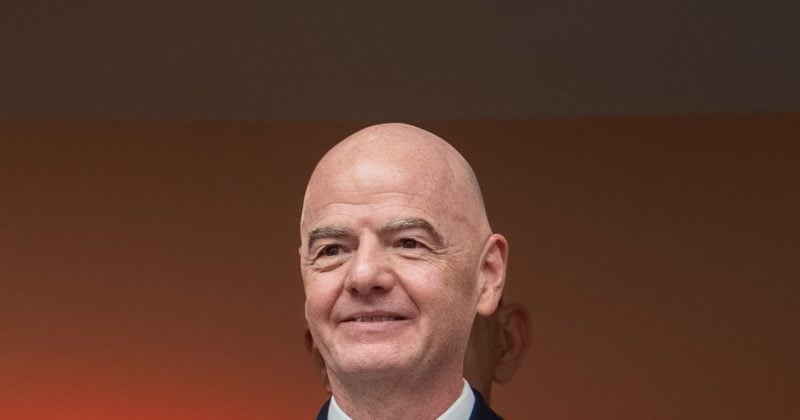
UEFA declines to endorse Gianni Infantino’s FIFA reelection bid
European football's governing body is actively seeking an alternative candidate as resistance to Infantino's third term builds across the continent
The most powerful football confederation in the world just told the most powerful man in football to update his resume. UEFA and the German Football Association have declined to endorse Gianni Infantino’s bid for a third term as FIFA president, marking a significant escalation in the long-simmering feud between European football governance and FIFA’s top office.
The DFB has been particularly vocal, explicitly declining to back Infantino’s reelection and reiterating that stance in a May 2026 statement. Infantino declared his intention to run again during the FIFA Congress in April 2026.
A continental cold shoulder
UEFA federations have been actively discussing support for an alternative candidate since at least mid-July 2026, with names like UEFA President Aleksander Čeferin and PSG President Nasser Al-Khelaifi floating around as potential challengers.
Neither has formally declared a candidacy. No unified UEFA-backed challenger has emerged yet. European federations from multiple nations are engaged in these discussions, but consensus remains elusive.
Infantino retains considerable backing from confederations in Africa, Asia, and the Arab regions, giving him a substantial voting bloc. FIFA’s one-country, one-vote system means that smaller federations carry disproportionate weight relative to their economic contribution to the sport.
The news moving money, markets, and the world—before your day starts.
Daily. Free. Join 34,000+ readers across crypto, finance, and policy.
The deeper rift
The DFB first voiced its opposition to Infantino’s leadership back in 2023, making the current stance less a surprise and more a continuation of a years-long posture. UEFA federations are no longer just grumbling in private. They’re actively scouting alternatives and coordinating across national lines.
The governance complaints are substantive. European clubs and associations have pushed back against FIFA’s expanding calendar. They’ve raised concerns about decision-making processes they view as opaque. And the World Cup expansion, which grows the tournament from 32 to 48 teams, has been a particular flashpoint, with critics arguing it prioritizes commercial interests and political coalition-building over sporting merit.
What this means for sports industry stakeholders
FIFA governance directly influences the structure of sponsorship deals, broadcasting rights negotiations, and the regulatory framework for emerging technologies in sports. Fan token projects, blockchain-based ticketing initiatives, and NFT partnerships all operate within a governance environment shaped by whoever sits in FIFA’s top chair.
If a credible challenger backed by major UEFA federations emerges, it could signal a shift toward governance structures that prioritize the interests of European clubs and leagues. For sponsors and technology partners, including crypto exchanges and Web3 companies that have signed deals with clubs and confederations, a more Europe-aligned FIFA leadership could either open doors or close them, depending on how those relationships are structured.