
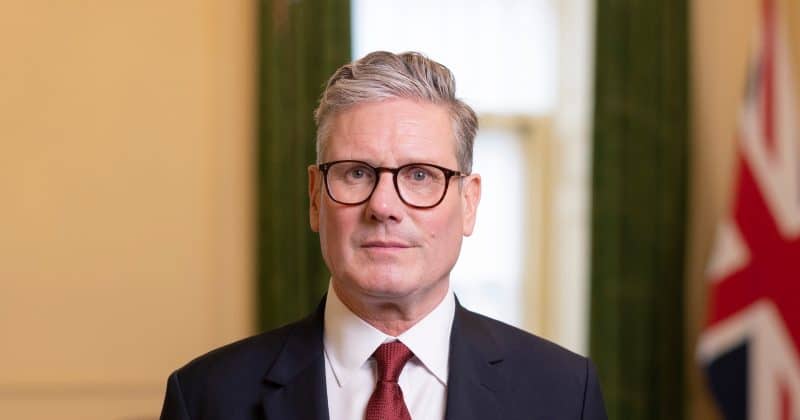
UK assets hold steady after Starmer’s resignation as bond markets hint at what comes next
The 10-year gilt yield barely flinched at the PM's exit, but incoming leadership could reshape crypto policy and fiscal direction
Keir Starmer resigned as UK Prime Minister on June 22, 2026, and the financial world responded with what can only be described as a collective shrug. The 10-year gilt yield closed at 4.85%, up just 1 basis point. Sterling held at roughly $1.319. For a sitting PM walking away from Downing Street, that’s about as calm a market reaction as you’ll ever see.
The muted response tells its own story. Markets had already done their panicking earlier in the year, when gilt yields spiked above 5% in May amid escalating political uncertainty and disappointing local election results for Labour. By the time Starmer actually made the announcement, investors had already priced in the transition.
Why gilts are the real headline
UK government bonds, known as gilts, are the financial system’s smoke detector for political risk in Britain. When Liz Truss’s mini-budget rattled markets in 2022, gilt yields surged violently. The fact that Starmer’s resignation barely registered on the same instrument says something important: this was an orderly departure, not a crisis.
Enter Andy Burnham
Greater Manchester Mayor Andy Burnham has emerged as the frontrunner to succeed Starmer as Labour leader and, by extension, Prime Minister. Burnham is broadly seen as more pragmatic on economic development and more open to digital assets and Web3 initiatives than his predecessor.
This last point is particularly relevant for the crypto industry. Starmer’s government had taken a restrictive approach to digital finance, going so far as to ban UK political parties from accepting cryptocurrency donations back in March 2026. That decision drew criticism from fintech advocates and parts of the broader business community who saw it as unnecessarily hostile to innovation.
The news moving money, markets, and the world—before your day starts.
Daily. Free. Join 34,000+ readers across crypto, finance, and policy.
What this means for crypto investors
The UK’s regulatory stance on crypto has been a moving target for years. The Financial Conduct Authority has oscillated between cautious engagement and outright skepticism, and political leadership has generally followed suit. Starmer’s donation ban was emblematic of an administration that viewed crypto with suspicion rather than curiosity.
The flip side is worth considering too. Burnham’s fiscal priorities remain unclear, and any significant increase in public spending or borrowing could reignite the gilt market volatility that had already unsettled investors earlier in 2026, when yields breached the 5% threshold in May.
For crypto-focused investors, the most actionable thing to watch is whether Burnham’s team signals any concrete policy changes in the first weeks of the transition. Reversing the donation ban, engaging with industry stakeholders, or proposing a clearer regulatory framework would be something else entirely from campaign rhetoric. The difference between the two will determine whether this leadership change is genuinely bullish for UK crypto or just another round of political musical chairs.