
Ukrainian drones strike Russia’s largest refinery in Omsk, exposing energy infrastructure vulnerabilities
Upgraded FP-1 drones traveled over 2,500 km to hit a facility responsible for roughly 10% of Russia's total refining capacity
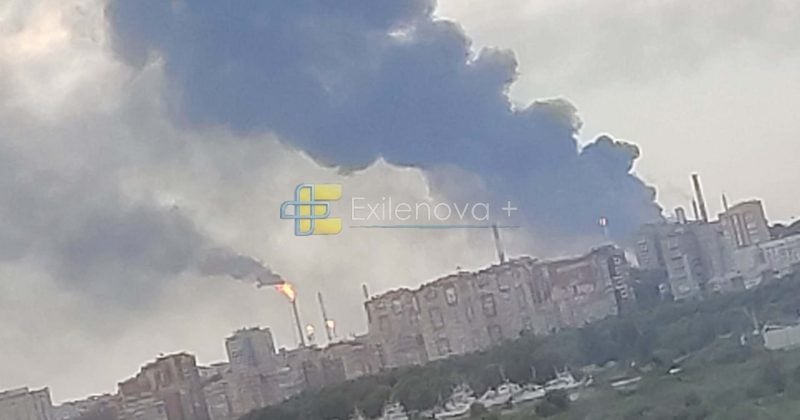
Ukraine just demonstrated it can hit Russia’s most critical energy infrastructure from nearly 2,700 kilometers away. On July 6, Ukrainian drones struck the Omsk oil refinery in Siberia, the single largest refining facility in the country, causing fires and knocking out a key processing unit.
The attack on a refinery that handles over 21 million metric tons of crude annually, roughly 10% of Russia’s entire refining capacity, is a significant escalation in the targeting of Russian oil infrastructure.
What happened in Omsk
Ukraine’s Special Operations Forces deployed upgraded Fire Point FP-1 drones for the operation. The FP-1s traveled an estimated 2,500 to 2,700 km to reach their target, a distance roughly equivalent to flying from London to Istanbul.
The drones damaged the CDU-10 crude distillation unit, which processes approximately 24,580 metric tons of crude per day. That unit alone accounts for around 38% of the refinery’s overall capacity. Operations at the facility were halted by July 7.
The news moving money, markets, and the world—before your day starts.
Daily. Free. Join 34,000+ readers across crypto, finance, and policy.
Omsk governor Vitaly Khotsenko confirmed the strike took place. Russian officials maintained that the majority of incoming drones were intercepted by air defenses, and no injuries were reported.
This was the first attack of its kind on the Omsk facility. Omsk sits in western Siberia, over 2,500 km from the Ukrainian border, in what Moscow presumably considered a safe zone for critical energy assets.
Why this refinery matters
The Omsk refinery, owned by Gazprom Neft, supplies over half of the motor fuel consumed across the entire Siberian Federal District. With an annual crude processing capacity exceeding 21 million metric tons, the facility is the backbone of Russia’s domestic fuel supply chain in the east. Losing 38% of that capacity, even temporarily, creates a meaningful gap in regional fuel availability.