
Ukraine receives US license to produce Patriot missiles, reshaping the global defense supply chain

Ukraine receives US license to produce Patriot missiles, reshaping the global defense supply chain

The decision to let Ukraine manufacture its own interceptors has implications that stretch well beyond the battlefield, touching defense stocks, NATO spending, and the broader geopolitics that move markets.

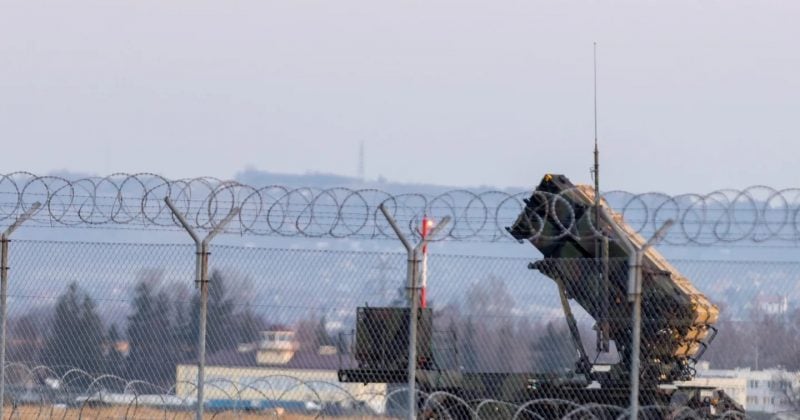
President Trump announced at the NATO summit in Ankara on July 8 that the US would grant Ukraine a license to domestically produce Patriot surface-to-air missile interceptors. It’s the first time Washington has approved anything like this for Kyiv, and it fundamentally changes the calculus around defense manufacturing in Europe.

“We’re gonna give you a licence to make Patriots,” Trump told the summit. The statement caps months of lobbying by Ukrainian President Volodymyr Zelenskyy, who has pushed for the production license since May 2026 as Russian missile barrages continue to strain Ukraine’s limited interceptor stockpiles.

Advertisement

Why this matters beyond the battlefield

Patriot interceptors are manufactured by Raytheon, a subsidiary of RTX Corporation. Global production capacity for Patriot missiles currently sits somewhere between 60 and 700 units per month, depending on the variant and which allied nations are contributing to the pipeline.

Ukraine has relied heavily on US-supplied Patriot systems since late 2022. Every interceptor fired over Kyiv or Odesa is one fewer sitting in American or allied stockpiles. Licensing Ukraine to build its own interceptors would eventually allow Ukraine to replenish its own supply domestically rather than draining Western arsenals, though standing up missile production from scratch is not something that happens quickly.

The defense industry ripple effects

For RTX shareholders and defense sector watchers, this announcement introduces a new variable. Raytheon’s Patriot program has been a reliable revenue generator, with orders backlogged for years as NATO nations scrambled to upgrade air defenses following Russia’s 2022 invasion. Licensed production typically involves technology transfer fees, component supply agreements, and ongoing royalty arrangements, meaning Raytheon would likely supply critical subsystems, provide technical oversight, and maintain quality control over the production process.

What investors should watch

The implementation details remain unfinalized. The first thing to watch is which specific Patriot variant Ukraine will produce, as the interceptor type determines complexity, cost, and timeline. Second, watch for subcontractor announcements, as Patriot missiles contain thousands of components sourced from dozens of suppliers. Full-scale production will take significant time to achieve.

Disclosure: This article was edited by Editorial Team. For more information on how we create and review content, see our Editorial Policy.

Ukraine receives US license to produce Patriot missiles, reshaping the global defense supply chain

Ukraine receives US license to produce Patriot missiles, reshaping the global defense supply chain

The decision to let Ukraine manufacture its own interceptors has implications that stretch well beyond the battlefield, touching defense stocks, NATO spending, and the broader geopolitics that move markets.

President Trump announced at the NATO summit in Ankara on July 8 that the US would grant Ukraine a license to domestically produce Patriot surface-to-air missile interceptors. It’s the first time Washington has approved anything like this for Kyiv, and it fundamentally changes the calculus around defense manufacturing in Europe.

“We’re gonna give you a licence to make Patriots,” Trump told the summit. The statement caps months of lobbying by Ukrainian President Volodymyr Zelenskyy, who has pushed for the production license since May 2026 as Russian missile barrages continue to strain Ukraine’s limited interceptor stockpiles.

Advertisement

Why this matters beyond the battlefield

Patriot interceptors are manufactured by Raytheon, a subsidiary of RTX Corporation. Global production capacity for Patriot missiles currently sits somewhere between 60 and 700 units per month, depending on the variant and which allied nations are contributing to the pipeline.

Ukraine has relied heavily on US-supplied Patriot systems since late 2022. Every interceptor fired over Kyiv or Odesa is one fewer sitting in American or allied stockpiles. Licensing Ukraine to build its own interceptors would eventually allow Ukraine to replenish its own supply domestically rather than draining Western arsenals, though standing up missile production from scratch is not something that happens quickly.

The defense industry ripple effects

For RTX shareholders and defense sector watchers, this announcement introduces a new variable. Raytheon’s Patriot program has been a reliable revenue generator, with orders backlogged for years as NATO nations scrambled to upgrade air defenses following Russia’s 2022 invasion. Licensed production typically involves technology transfer fees, component supply agreements, and ongoing royalty arrangements, meaning Raytheon would likely supply critical subsystems, provide technical oversight, and maintain quality control over the production process.

What investors should watch

The implementation details remain unfinalized. The first thing to watch is which specific Patriot variant Ukraine will produce, as the interceptor type determines complexity, cost, and timeline. Second, watch for subcontractor announcements, as Patriot missiles contain thousands of components sourced from dozens of suppliers. Full-scale production will take significant time to achieve.

Disclosure: This article was edited by Editorial Team. For more information on how we create and review content, see our Editorial Policy.