
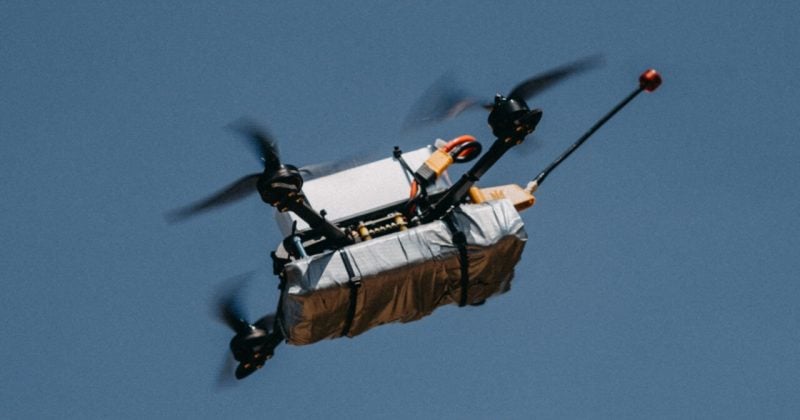
Ukraine’s drone warfare reshapes conflict dynamics, impacts Russian advance odds

https://ecfr.eu/article/drones-in-ukraine-and-beyond-everything-you-need-to-know/

Ukraine’s drone warfare reshapes conflict dynamics, impacts Russian advance odds

Russia cities entry by December 31, 2026

The ongoing conflict between Ukraine and Russia has entered a new strategic phase focusing on psychological and operational dominance, driven largely by Ukraine’s advancements in drone warfare. Maria Berlinska, a notable figure in Ukraine’s military strategy, is central to this development. Berlinska’s project, Victory Drones, has trained tens of thousands of drone pilots, significantly enhancing Ukraine’s tactical capabilities. This shift is seen as pivotal in Ukraine’s continued efforts to counter Russian advances, particularly as it maintains pressure on Russian logistical routes and targets in occupied territories like Crimea.

Markets have responded to these developments by adjusting expectations regarding potential Russian advances into Ukrainian cities. The market for Russia entering Sloviansk by the end of 2026 shows decreasing confidence in a YES outcome, consistent with Ukraine’s bolstered defense strategies. This trend aligns with Ukraine’s tactical superiority in drone deployment, which plays a key role in degrading Russian logistical operations.

Advertisement

The broader implications of these developments are also reflected in the markets assessing the likelihood of a ceasefire agreement between Russia and Ukraine by the end of 2026. Current pricing suggests a moderate chance of such an agreement, with ongoing military dynamics influencing these perceptions.

Key Takeaways

  • Market behavior suggests a decrease in the likelihood of Russia entering Sloviansk by December 2026, consistent with Ukraine’s enhanced drone warfare strategy.
  • Ukraine’s tactical drone superiority appears to be a significant factor in market participants’ assessment of Russian military advances.
  • The probability of a Russia-Ukraine ceasefire agreement by the end of 2026 remains moderate, reflecting complex geopolitical dynamics.

What to Watch

Observers should monitor further developments in Ukraine’s drone warfare capabilities and their impact on Russian military operations. Key diplomatic engagements, especially those involving major international actors like NATO or the United States, could influence market perceptions of a ceasefire agreement. Any significant shifts in military activities or diplomatic negotiations could alter current market expectations regarding the conflict’s trajectory.

Get live prediction-market analysis, powered by Vera. Sign up for Vera.

Disclosure: This article was edited by Estefano Gomez. For more information on how we create and review content, see our Editorial Policy.

Ukraine’s drone warfare reshapes conflict dynamics, impacts Russian advance odds

Ukraine’s drone warfare reshapes conflict dynamics, impacts Russian advance odds

Russia cities entry by December 31, 2026

https://ecfr.eu/article/drones-in-ukraine-and-beyond-everything-you-need-to-know/

The ongoing conflict between Ukraine and Russia has entered a new strategic phase focusing on psychological and operational dominance, driven largely by Ukraine’s advancements in drone warfare. Maria Berlinska, a notable figure in Ukraine’s military strategy, is central to this development. Berlinska’s project, Victory Drones, has trained tens of thousands of drone pilots, significantly enhancing Ukraine’s tactical capabilities. This shift is seen as pivotal in Ukraine’s continued efforts to counter Russian advances, particularly as it maintains pressure on Russian logistical routes and targets in occupied territories like Crimea.

Markets have responded to these developments by adjusting expectations regarding potential Russian advances into Ukrainian cities. The market for Russia entering Sloviansk by the end of 2026 shows decreasing confidence in a YES outcome, consistent with Ukraine’s bolstered defense strategies. This trend aligns with Ukraine’s tactical superiority in drone deployment, which plays a key role in degrading Russian logistical operations.

Advertisement

The broader implications of these developments are also reflected in the markets assessing the likelihood of a ceasefire agreement between Russia and Ukraine by the end of 2026. Current pricing suggests a moderate chance of such an agreement, with ongoing military dynamics influencing these perceptions.

Key Takeaways

  • Market behavior suggests a decrease in the likelihood of Russia entering Sloviansk by December 2026, consistent with Ukraine’s enhanced drone warfare strategy.
  • Ukraine’s tactical drone superiority appears to be a significant factor in market participants’ assessment of Russian military advances.
  • The probability of a Russia-Ukraine ceasefire agreement by the end of 2026 remains moderate, reflecting complex geopolitical dynamics.

What to Watch

Observers should monitor further developments in Ukraine’s drone warfare capabilities and their impact on Russian military operations. Key diplomatic engagements, especially those involving major international actors like NATO or the United States, could influence market perceptions of a ceasefire agreement. Any significant shifts in military activities or diplomatic negotiations could alter current market expectations regarding the conflict’s trajectory.

Get live prediction-market analysis, powered by Vera. Sign up for Vera.

Disclosure: This article was edited by Estefano Gomez. For more information on how we create and review content, see our Editorial Policy.