
Nexo Earn with Nexo
Ukrainian drones strike Moscow oil refinery in escalating energy campaign

Ukrainian drones strike Moscow oil refinery in escalating energy campaign

The attack on the Gazpromneft-operated Kapotnya facility temporarily shut down operations and deepened disruptions to Russian refining capacity

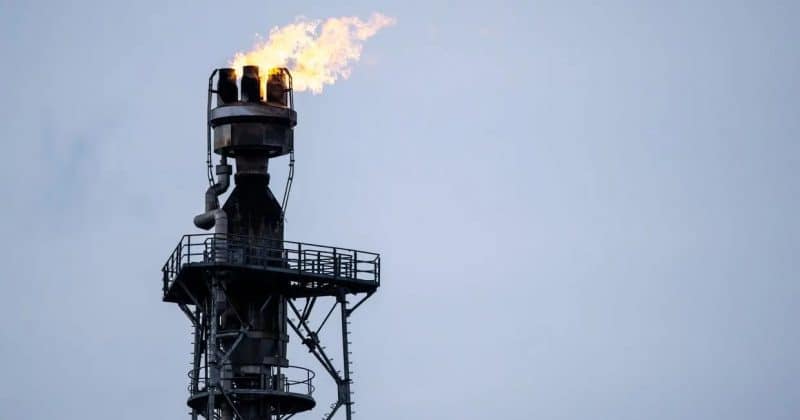
Ukrainian drones hit the Moscow oil refinery in Kapotnya on May 17, forcing a temporary shutdown of one of Russia’s most strategically important fuel processing facilities. The refinery, operated by energy giant Gazpromneft, sits inside Moscow’s city limits, making the strike one of the most symbolically significant attacks of the entire conflict.

This wasn’t a one-off. The Kapotnya strike was part of a broader campaign in May 2026 that also hit refineries in Volgograd, Saratov, and Ryazan, collectively reducing Russian oil refining capacity by an estimated 20-33% in central Russia.

A systematic campaign against Russian energy

Ukrainian officials have been open about the strategy. Andriy Kovalenko, a Ukrainian official, confirmed damage at multiple refineries, including the previously targeted Afipsky facility.

Advertisement

The Russian Defense Ministry pushed back with its own narrative, claiming to have intercepted hundreds of incoming drones. Figures cited by Moscow ranged from 216 to 330 drones intercepted in individual incidents.

The Kapotnya refinery halted operations entirely following the strike, citing security concerns. This facility processes crude oil into gasoline, diesel, and other petroleum products that feed both civilian consumption and military logistics.

Drone operations targeting Russian energy infrastructure have been escalating since early 2025, but 2026 has brought a notable intensification. The strikes have expanded beyond refineries to include pipelines and fuel depots.

The fuel shortage math

Widespread fuel shortages have been reported across the affected areas. For ordinary Russians, that means longer lines at gas stations and higher prices. For the Russian military, it means harder choices about fuel allocation at a time when logistics already represent one of the war’s most persistent bottlenecks.

What this means for energy markets and crypto investors

For crypto markets specifically, no immediate price reactions have been observed in response to the strikes. Crypto tends to react to the second-order effects, like inflation expectations, energy price shocks, or shifts in risk appetite, rather than to the events themselves.

Disclosure: This article was edited by Editorial Team. For more information on how we create and review content, see our Editorial Policy.

Ukrainian drones strike Moscow oil refinery in escalating energy campaign

Ukrainian drones strike Moscow oil refinery in escalating energy campaign

The attack on the Gazpromneft-operated Kapotnya facility temporarily shut down operations and deepened disruptions to Russian refining capacity

Ukrainian drones hit the Moscow oil refinery in Kapotnya on May 17, forcing a temporary shutdown of one of Russia’s most strategically important fuel processing facilities. The refinery, operated by energy giant Gazpromneft, sits inside Moscow’s city limits, making the strike one of the most symbolically significant attacks of the entire conflict.

This wasn’t a one-off. The Kapotnya strike was part of a broader campaign in May 2026 that also hit refineries in Volgograd, Saratov, and Ryazan, collectively reducing Russian oil refining capacity by an estimated 20-33% in central Russia.

A systematic campaign against Russian energy

Ukrainian officials have been open about the strategy. Andriy Kovalenko, a Ukrainian official, confirmed damage at multiple refineries, including the previously targeted Afipsky facility.

Advertisement

The Russian Defense Ministry pushed back with its own narrative, claiming to have intercepted hundreds of incoming drones. Figures cited by Moscow ranged from 216 to 330 drones intercepted in individual incidents.

The Kapotnya refinery halted operations entirely following the strike, citing security concerns. This facility processes crude oil into gasoline, diesel, and other petroleum products that feed both civilian consumption and military logistics.

Drone operations targeting Russian energy infrastructure have been escalating since early 2025, but 2026 has brought a notable intensification. The strikes have expanded beyond refineries to include pipelines and fuel depots.

The fuel shortage math

Widespread fuel shortages have been reported across the affected areas. For ordinary Russians, that means longer lines at gas stations and higher prices. For the Russian military, it means harder choices about fuel allocation at a time when logistics already represent one of the war’s most persistent bottlenecks.

What this means for energy markets and crypto investors

For crypto markets specifically, no immediate price reactions have been observed in response to the strikes. Crypto tends to react to the second-order effects, like inflation expectations, energy price shocks, or shifts in risk appetite, rather than to the events themselves.

Disclosure: This article was edited by Editorial Team. For more information on how we create and review content, see our Editorial Policy.