
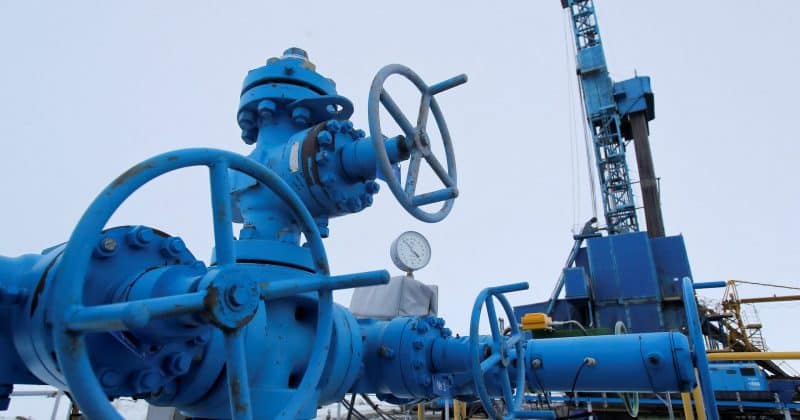
Ukrainian drones strike Gazprom gas-processing plant near Kazakhstan border
The attack on the world's largest gas-processing facility, over 1,000 km from Ukraine, forced Gazprom to suspend gas intake from Kazakhstan
Ukrainian long-range drones hit Gazprom’s Orenburg gas-processing plant and a nearby helium facility in southern Russia on October 19, marking the first reported strike on what is considered the world’s largest gas-processing complex of its kind. The attack caused a fire and partial damage to a workshop, and ultimately forced the plant to halt its intake of natural gas from Kazakhstan.
That last detail is the one that matters most. The Orenburg plant doesn’t just process Russian gas. It’s a critical node in the Karachaganak project in Kazakhstan, operated by Eni and Shell. When this facility goes offline, even temporarily, the ripple effects cross international borders and touch some of the biggest names in global energy.
What happened in Orenburg
The drone strike targeted both the main gas-processing plant and an associated helium facility in Russia’s Orenburg region, located in the southern Urals. The regional governor reported no casualties from the attack.
The Orenburg complex processes an estimated 37.5 to 45 billion cubic meters of gas annually.
The helium plant is Russia’s only helium producer, supporting the country’s aerospace, missile, and aviation industries.
Macro, rates, and crypto—what moved markets and what matters next.
Daily. Free. Join 34,000+ readers across crypto, finance, and policy.
A thousand kilometers is a long way to fly a drone
The Orenburg region is over 1,000 km from Ukraine. This attack is part of a broader Ukrainian campaign targeting Russian energy infrastructure that escalated through mid-2025. Earlier drone operations in August 2025 had already indicated the Orenburg helium plant was on Ukraine’s target list. The October strike confirmed that these weren’t aspirational targets but achievable ones.
The Karachaganak connection is particularly notable. That project involves Shell and Eni, two of Europe’s largest energy companies. When Ukrainian drones disrupt a facility that processes Kazakh gas for a consortium including European operators, the geopolitical dimensions multiply quickly.
What this means for energy markets and investors
The helium angle is underappreciated. Russia is one of the world’s major helium producers, and the Orenburg plant is its only production facility. A sustained disruption to Russian helium output would tighten an already constrained global market. Industries from semiconductor manufacturing to medical imaging depend on reliable helium supply.