
Nexo Earn with Nexo
UN Security Council condemns drone attack on Barakah nuclear power plant in UAE

UN Security Council condemns drone attack on Barakah nuclear power plant in UAE

Three drones targeted the first operational nuclear power station in the Arab world, prompting an emergency UNSC session and raising fears of regional escalation.

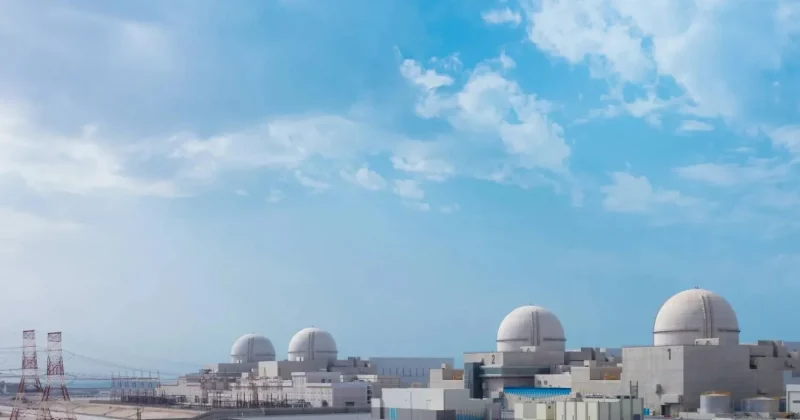
A drone strike on the Barakah Nuclear Power Plant in Abu Dhabi on May 17 has drawn swift international condemnation, with the United Nations Security Council convening an emergency session to address what the UAE is calling a “red line” violation against civilian nuclear infrastructure.

The attack targeted an electrical generator just outside the inner perimeter of the plant. No casualties were reported, no radiation was released, and power was restored by May 18.

What happened at Barakah

Three drones were involved in the attack. UAE defense forces intercepted two of them before they reached the facility, but one made it through to strike an external electrical generator.

Advertisement

The UAE Defense Ministry indicated the drones originated from Iraqi territory. The strike has been linked to Iran-associated militant groups operating in Iraq, though no group has formally claimed responsibility.

The Barakah plant is not a minor target. It is the first operational nuclear power station in the Arab world, a roughly $20 billion project that began commercial operation in 2020. Its four reactors supply approximately 25% of the UAE’s total electricity demand, making it a cornerstone of the country’s push to diversify away from hydrocarbons.

The international response

The UNSC emergency session convened around May 19-20, just days after the incident. The council issued a unified condemnation of the attack, reiterating long-standing international norms around the protection of civilian nuclear infrastructure.

IAEA Director-General Rafael Grossi condemned the strike. Both the US and Russia found common ground in denouncing an attack on a peaceful nuclear facility.

The UAE characterized the drone strike as crossing a “red line,” language that in diplomatic circles is about as pointed as it gets without an explicit threat of military retaliation.

Regional context and escalation risks

The UAE’s assertion that the drones launched from Iraqi territory places this incident squarely within the broader pattern of Iran-linked proxy activity across the Middle East. The involvement of Iraqi-launched drones also complicates matters for Baghdad, which now faces pressure to demonstrate it can prevent its territory from being used as a launchpad for attacks on neighboring states.

The UNSC’s condemnation, while politically significant, carries no enforcement mechanism on its own. The real question is whether this incident triggers a military response from the UAE, prompts new international security arrangements around Gulf nuclear facilities, or accelerates tensions between Gulf states and Iran-linked groups.

Disclosure: This article was edited by Editorial Team. For more information on how we create and review content, see our Editorial Policy.

UN Security Council condemns drone attack on Barakah nuclear power plant in UAE

UN Security Council condemns drone attack on Barakah nuclear power plant in UAE

Three drones targeted the first operational nuclear power station in the Arab world, prompting an emergency UNSC session and raising fears of regional escalation.

A drone strike on the Barakah Nuclear Power Plant in Abu Dhabi on May 17 has drawn swift international condemnation, with the United Nations Security Council convening an emergency session to address what the UAE is calling a “red line” violation against civilian nuclear infrastructure.

The attack targeted an electrical generator just outside the inner perimeter of the plant. No casualties were reported, no radiation was released, and power was restored by May 18.

What happened at Barakah

Three drones were involved in the attack. UAE defense forces intercepted two of them before they reached the facility, but one made it through to strike an external electrical generator.

Advertisement

The UAE Defense Ministry indicated the drones originated from Iraqi territory. The strike has been linked to Iran-associated militant groups operating in Iraq, though no group has formally claimed responsibility.

The Barakah plant is not a minor target. It is the first operational nuclear power station in the Arab world, a roughly $20 billion project that began commercial operation in 2020. Its four reactors supply approximately 25% of the UAE’s total electricity demand, making it a cornerstone of the country’s push to diversify away from hydrocarbons.

The international response

The UNSC emergency session convened around May 19-20, just days after the incident. The council issued a unified condemnation of the attack, reiterating long-standing international norms around the protection of civilian nuclear infrastructure.

IAEA Director-General Rafael Grossi condemned the strike. Both the US and Russia found common ground in denouncing an attack on a peaceful nuclear facility.

The UAE characterized the drone strike as crossing a “red line,” language that in diplomatic circles is about as pointed as it gets without an explicit threat of military retaliation.

Regional context and escalation risks

The UAE’s assertion that the drones launched from Iraqi territory places this incident squarely within the broader pattern of Iran-linked proxy activity across the Middle East. The involvement of Iraqi-launched drones also complicates matters for Baghdad, which now faces pressure to demonstrate it can prevent its territory from being used as a launchpad for attacks on neighboring states.

The UNSC’s condemnation, while politically significant, carries no enforcement mechanism on its own. The real question is whether this incident triggers a military response from the UAE, prompts new international security arrangements around Gulf nuclear facilities, or accelerates tensions between Gulf states and Iran-linked groups.

Disclosure: This article was edited by Editorial Team. For more information on how we create and review content, see our Editorial Policy.