
UN maritime agency opposes US plan for Hormuz navigation fees

https://en.wikipedia.org/wiki/Strait_of_Hormuz

UN maritime agency opposes US plan for Hormuz navigation fees

Iran Hormuz fees

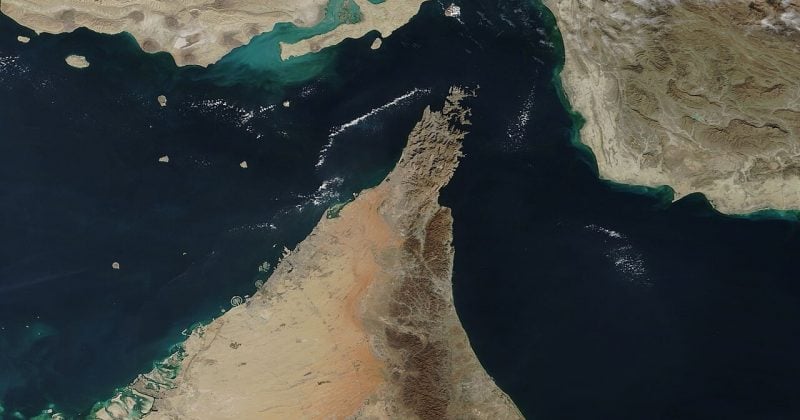
The United Nations’ International Maritime Organization (IMO) has expressed opposition to the imposition of fees for straits used in international navigation, such as the Strait of Hormuz. The agency’s spokesperson emphasized that such fees contradict international law, specifically the United Nations Convention on the Law of the Sea (UNCLOS), which guarantees toll-free transit passage. This statement comes amid reports of the United States planning to impose a 20% fee on cargo passing through the Strait of Hormuz, a move that could escalate tensions in the region. The US plan also contradicts a recent agreement with Iran ensuring toll-free navigation for a 60-day period.

Advertisement

The market for whether Iran will charge Hormuz fees by July 15 is currently priced at 10.7% YES, up from 4% just 24 hours ago. This increase may reflect concerns over potential US actions and their implications for the geopolitical landscape. Longer-term markets, such as the one closing on August 31, show higher pricing at 47.5% YES, suggesting that participants may see fee imposition as more probable after the 60-day agreement lapses. The IMO’s stance against these fees may influence Iran’s decision-making, potentially affecting market expectations.

Key Takeaways

  • The IMO’s opposition to navigation fees appears consistent with a decrease in the likelihood of Iran imposing such fees, as it indicates potential international pushback.
  • Market pricing for short-term scenarios, such as the July 15 deadline, has increased, indicating heightened perception of risk in the immediate term.
  • Longer-term market pricing suggests participants view the expiration of the US-Iran agreement as a pivotal point for potential fee imposition.

What to Watch

Observers should monitor any official announcements from the Iranian government or the IRGC regarding the extension of the toll-free period. Any developments in US-Iran negotiations could significantly impact market pricing, especially as the current agreement approaches its conclusion in mid-August. Furthermore, statements from major shipping firms or international bodies like the IMO could shift expectations on whether Iran will implement fees in the future.

Get live prediction-market analysis, powered by Vera. Sign up for Vera.

Disclosure: This article was edited by Estefano Gomez. For more information on how we create and review content, see our Editorial Policy.

UN maritime agency opposes US plan for Hormuz navigation fees

UN maritime agency opposes US plan for Hormuz navigation fees

Iran Hormuz fees

https://en.wikipedia.org/wiki/Strait_of_Hormuz

The United Nations’ International Maritime Organization (IMO) has expressed opposition to the imposition of fees for straits used in international navigation, such as the Strait of Hormuz. The agency’s spokesperson emphasized that such fees contradict international law, specifically the United Nations Convention on the Law of the Sea (UNCLOS), which guarantees toll-free transit passage. This statement comes amid reports of the United States planning to impose a 20% fee on cargo passing through the Strait of Hormuz, a move that could escalate tensions in the region. The US plan also contradicts a recent agreement with Iran ensuring toll-free navigation for a 60-day period.

Advertisement

The market for whether Iran will charge Hormuz fees by July 15 is currently priced at 10.7% YES, up from 4% just 24 hours ago. This increase may reflect concerns over potential US actions and their implications for the geopolitical landscape. Longer-term markets, such as the one closing on August 31, show higher pricing at 47.5% YES, suggesting that participants may see fee imposition as more probable after the 60-day agreement lapses. The IMO’s stance against these fees may influence Iran’s decision-making, potentially affecting market expectations.

Key Takeaways

  • The IMO’s opposition to navigation fees appears consistent with a decrease in the likelihood of Iran imposing such fees, as it indicates potential international pushback.
  • Market pricing for short-term scenarios, such as the July 15 deadline, has increased, indicating heightened perception of risk in the immediate term.
  • Longer-term market pricing suggests participants view the expiration of the US-Iran agreement as a pivotal point for potential fee imposition.

What to Watch

Observers should monitor any official announcements from the Iranian government or the IRGC regarding the extension of the toll-free period. Any developments in US-Iran negotiations could significantly impact market pricing, especially as the current agreement approaches its conclusion in mid-August. Furthermore, statements from major shipping firms or international bodies like the IMO could shift expectations on whether Iran will implement fees in the future.

Get live prediction-market analysis, powered by Vera. Sign up for Vera.

Disclosure: This article was edited by Estefano Gomez. For more information on how we create and review content, see our Editorial Policy.