
Unitree secures approval for $619M Shanghai IPO to expand AI robotics
The Chinese robotics firm cleared regulatory review in a record 73 days, underscoring Beijing's appetite for homegrown AI hardware champions.
China’s most recognizable robotics company just got the green light to go public. Unitree Robotics received final approval from the China Securities Regulatory Commission on July 3, 2026, for a listing on the Shanghai STAR Market that aims to raise approximately 4.2 billion yuan, or around $619 million.
What the numbers actually look like
Unitree reported revenues of 1.699 billion yuan (roughly $250 million) for fiscal year 2025, alongside a net profit of 278 million yuan, or about $41 million.
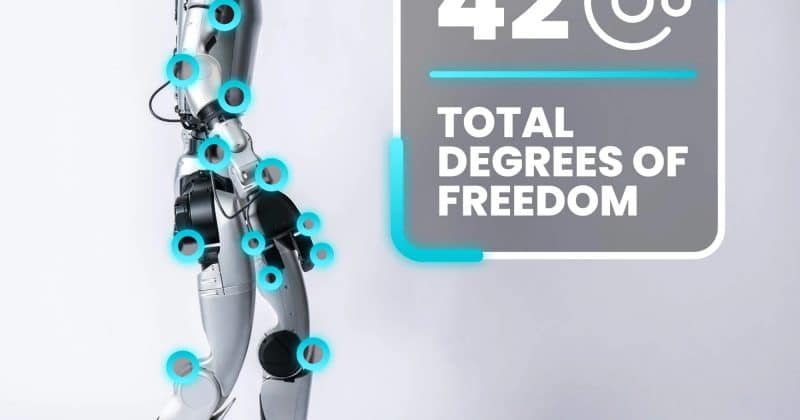
The more interesting data point is the revenue mix. Humanoid robots accounted for 51.5% of Unitree’s revenue in the first nine months of 2025, up from 27.6% in all of 2024. The company shipped over 5,500 humanoid robots in 2025.
The IPO structure calls for the issuance of at least 40.45 million shares, representing a minimum 10% stake in the company. Proceeds are earmarked for AI model research, robot body development, new product lines, and construction of a smart manufacturing base.
The speed of this approval is its own story
Unitree filed for its IPO on March 20, 2026. The listing committee granted approval in early June, and the CSRC confirmed it on July 3. Total elapsed time: 73 days. For the STAR Market, that ranks among the fastest regulatory reviews on record.
AI, tech, and the markets they move—in one daily briefing.
Daily. Free. Join 34,000+ readers across crypto, finance, and policy.
The STAR Market was designed as China’s answer to the Nasdaq, specifically built to list technology and science companies that might not yet meet traditional profitability thresholds. Unitree is profitable, which gives it more cushion than most STAR Market candidates.
The approval is valid for 12 months, meaning Unitree has a window to complete its listing before needing to re-engage the regulatory process.
What this means for the broader market
Unitree’s IPO lands during a broader revival in Chinese onshore public offerings. Another significant listing cleared the same week.
If a manufacturer can grow humanoid robot revenue from 27.6% to 51.5% of its business in roughly 12 months, it suggests commercial adoption is accelerating faster than most Western analysts projected.