
Nexo Earn with Nexo
US conducts airstrikes on Iranian military site near Hormuz, sending shockwaves through crypto markets

US conducts airstrikes on Iranian military site near Hormuz, sending shockwaves through crypto markets

American forces struck missile sites and ships near the Strait of Hormuz in what CENTCOM called a defensive operation, while Iranian crypto outflows signal deepening financial panic.

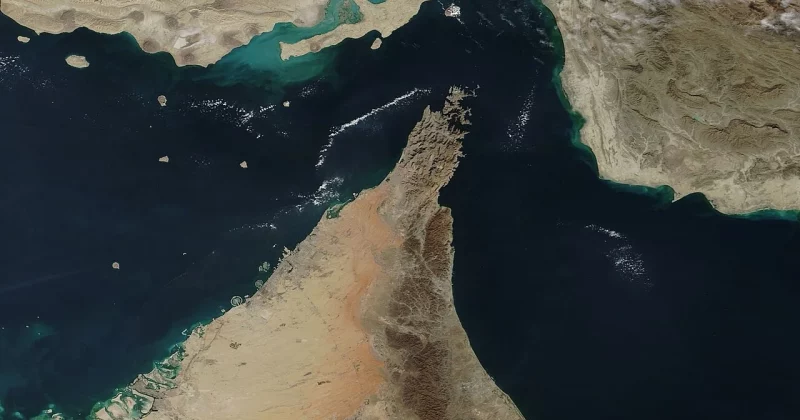
US Central Command launched airstrikes against Iranian military assets near the Strait of Hormuz on May 7, shooting down attack drones and hitting missile launch sites in what officials described as a self-defense operation. The targets included Iranian vessels and sites near Bandar Abbas and Qeshm that were deemed direct threats to US Navy destroyers in the area.

What happened near Hormuz

CENTCOM confirmed the strikes were defensive in nature, targeting missile launch sites and boats engaged in what the military characterized as potentially hostile activities against American naval forces. Similar operations took place in March 2026, making this the second significant US military action against Iranian targets in the region within roughly two months.

The Strait of Hormuz is one of the most strategically important chokepoints on Earth. Roughly 20% of global oil shipments pass through this narrow waterway. Iran has since threatened retaliation.

Advertisement

The crypto angle is bigger than you think

During earlier US-Israeli airstrikes in early 2026, crypto outflows from Nobitex, Iran’s largest exchange, surged by 700%, according to analysis from blockchain analytics firm Elliptic. Iranian investors moved their crypto off exchanges at a rate seven times higher than normal, presumably to self-custody wallets or foreign platforms.

Iran has reportedly allowed discussions around accepting Bitcoin as payment for transit tolls through the Strait of Hormuz, with fees estimated at around $2 million per vessel.

Bitcoin’s surprisingly calm reaction

Despite missiles flying and drones being shot down, Bitcoin has been trading in a range between $63,000 and $73,000 throughout the broader conflict period. When the US killed Iranian General Qasem Soleimani in January 2020, Bitcoin moved sharply in the immediate aftermath.

What this means for investors

The Nobitex outflow data from earlier this year showed that crypto movements in conflict zones can serve as leading indicators of escalation before traditional media catches up. The Bitcoin-for-tolls discussion represents a broader trend of sanctioned economies turning to crypto as financial plumbing, with potential regulatory implications globally. The March 2026 strikes didn’t break Bitcoin’s trading range, and yet a second round of airstrikes followed two months later.

Investors should be paying close attention to three triggers: any disruption to actual oil flows through Hormuz, further spikes in Middle Eastern exchange outflows, and any formal policy moves by Iran to integrate crypto into its sanctions-evasion toolkit.

Disclosure: This article was edited by Editorial Team. For more information on how we create and review content, see our Editorial Policy.

US conducts airstrikes on Iranian military site near Hormuz, sending shockwaves through crypto markets

US conducts airstrikes on Iranian military site near Hormuz, sending shockwaves through crypto markets

American forces struck missile sites and ships near the Strait of Hormuz in what CENTCOM called a defensive operation, while Iranian crypto outflows signal deepening financial panic.

US Central Command launched airstrikes against Iranian military assets near the Strait of Hormuz on May 7, shooting down attack drones and hitting missile launch sites in what officials described as a self-defense operation. The targets included Iranian vessels and sites near Bandar Abbas and Qeshm that were deemed direct threats to US Navy destroyers in the area.

What happened near Hormuz

CENTCOM confirmed the strikes were defensive in nature, targeting missile launch sites and boats engaged in what the military characterized as potentially hostile activities against American naval forces. Similar operations took place in March 2026, making this the second significant US military action against Iranian targets in the region within roughly two months.

The Strait of Hormuz is one of the most strategically important chokepoints on Earth. Roughly 20% of global oil shipments pass through this narrow waterway. Iran has since threatened retaliation.

Advertisement

The crypto angle is bigger than you think

During earlier US-Israeli airstrikes in early 2026, crypto outflows from Nobitex, Iran’s largest exchange, surged by 700%, according to analysis from blockchain analytics firm Elliptic. Iranian investors moved their crypto off exchanges at a rate seven times higher than normal, presumably to self-custody wallets or foreign platforms.

Iran has reportedly allowed discussions around accepting Bitcoin as payment for transit tolls through the Strait of Hormuz, with fees estimated at around $2 million per vessel.

Bitcoin’s surprisingly calm reaction

Despite missiles flying and drones being shot down, Bitcoin has been trading in a range between $63,000 and $73,000 throughout the broader conflict period. When the US killed Iranian General Qasem Soleimani in January 2020, Bitcoin moved sharply in the immediate aftermath.

What this means for investors

The Nobitex outflow data from earlier this year showed that crypto movements in conflict zones can serve as leading indicators of escalation before traditional media catches up. The Bitcoin-for-tolls discussion represents a broader trend of sanctioned economies turning to crypto as financial plumbing, with potential regulatory implications globally. The March 2026 strikes didn’t break Bitcoin’s trading range, and yet a second round of airstrikes followed two months later.

Investors should be paying close attention to three triggers: any disruption to actual oil flows through Hormuz, further spikes in Middle Eastern exchange outflows, and any formal policy moves by Iran to integrate crypto into its sanctions-evasion toolkit.

Disclosure: This article was edited by Editorial Team. For more information on how we create and review content, see our Editorial Policy.