
US Army strikes Iranian missile systems, IRGC boats near Strait of Hormuz

https://news.usni.org/2021/03/29/irans-new-missile-corvette-could-reshape-irgc-naval-doctrine

US Army strikes Iranian missile systems, IRGC boats near Strait of Hormuz

Iran successfully targets shipping

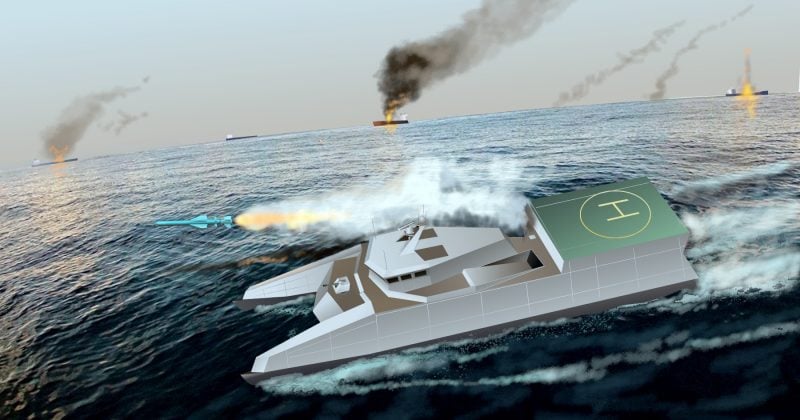
The U.S. Army conducted strikes on Iranian missile systems, air defenses, and IRGC boats near the Strait of Hormuz. This military action comes as a response to recent attacks by the Iranian Islamic Revolutionary Guard Corps (IRGC) on commercial tankers, which had violated an interim ceasefire agreement. The operation marks a significant escalation in U.S. military involvement in the region, targeting over 80 Iranian assets, including critical infrastructure, following previous limited responses.

Advertisement

Key Takeaways

  • The U.S. Army’s strikes appear to be a direct response to IRGC attacks on commercial shipping, suggesting a significant increase in military pressure on Iran.
  • Market pricing suggests a decrease in the likelihood of Iran successfully targeting shipping, as the U.S. military response undermines Iran’s operational capabilities.
  • The current pricing on prediction markets reflects a potential shift in the strategic balance in the Strait of Hormuz, consistent with scenarios where U.S. intervention limits Iranian actions.

What to Watch

Observers will be closely monitoring the IRGC’s next moves, as further Iranian military actions could impact market pricing related to the likelihood of successful shipping disruptions. The U.S. Department of Defense’s future operations in the region also remain pivotal, particularly any additional strikes that may influence Iran’s military strategy. Developments regarding diplomatic negotiations or ceasefire agreements could further affect market dynamics, as they may lead to de-escalation or continued conflict.

Get live prediction-market analysis, powered by Vera. Sign up for Vera.

Disclosure: This article was edited by Estefano Gomez. For more information on how we create and review content, see our Editorial Policy.

US Army strikes Iranian missile systems, IRGC boats near Strait of Hormuz

US Army strikes Iranian missile systems, IRGC boats near Strait of Hormuz

Iran successfully targets shipping

https://news.usni.org/2021/03/29/irans-new-missile-corvette-could-reshape-irgc-naval-doctrine

The U.S. Army conducted strikes on Iranian missile systems, air defenses, and IRGC boats near the Strait of Hormuz. This military action comes as a response to recent attacks by the Iranian Islamic Revolutionary Guard Corps (IRGC) on commercial tankers, which had violated an interim ceasefire agreement. The operation marks a significant escalation in U.S. military involvement in the region, targeting over 80 Iranian assets, including critical infrastructure, following previous limited responses.

Advertisement

Key Takeaways

  • The U.S. Army’s strikes appear to be a direct response to IRGC attacks on commercial shipping, suggesting a significant increase in military pressure on Iran.
  • Market pricing suggests a decrease in the likelihood of Iran successfully targeting shipping, as the U.S. military response undermines Iran’s operational capabilities.
  • The current pricing on prediction markets reflects a potential shift in the strategic balance in the Strait of Hormuz, consistent with scenarios where U.S. intervention limits Iranian actions.

What to Watch

Observers will be closely monitoring the IRGC’s next moves, as further Iranian military actions could impact market pricing related to the likelihood of successful shipping disruptions. The U.S. Department of Defense’s future operations in the region also remain pivotal, particularly any additional strikes that may influence Iran’s military strategy. Developments regarding diplomatic negotiations or ceasefire agreements could further affect market dynamics, as they may lead to de-escalation or continued conflict.

Get live prediction-market analysis, powered by Vera. Sign up for Vera.

Disclosure: This article was edited by Estefano Gomez. For more information on how we create and review content, see our Editorial Policy.