
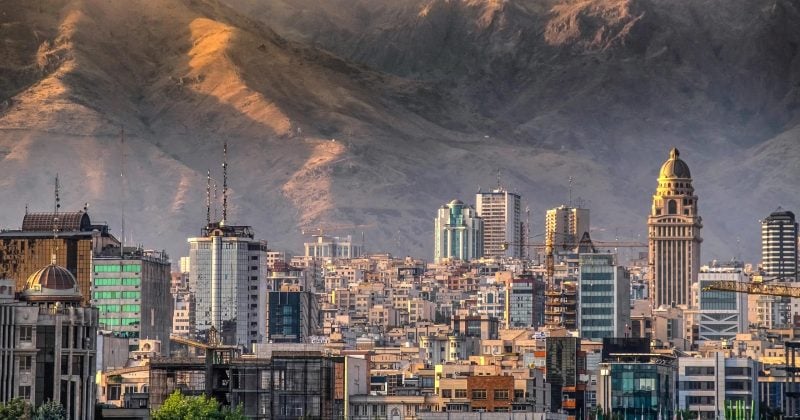
US backs Iraq-Syria oil pipeline to bypass Hormuz, reduce Iran’s influence

https://www.cntraveler.com/story/tehran-iran-mehrdad-mzadeh-locals-guide

US backs Iraq-Syria oil pipeline to bypass Hormuz, reduce Iran’s influence

WTI crude oil prices in July 2026

The United States has announced its support for the revival of the Kirkuk–Baniyas oil pipeline, a strategic project aimed at bypassing the Strait of Hormuz and reducing Iran’s influence over this critical oil transit route. The pipeline, dormant since 2003, would provide an alternate export path for Iraqi oil, stretching approximately 500 miles from Kirkuk to Syria’s Baniyas port on the Mediterranean. This development comes amid ongoing tensions and hostilities in the region that have dramatically affected oil flow through the Strait of Hormuz, a vital chokepoint for global oil supply.

Markets appear to interpret the US’s backing of the pipeline as a significant geopolitical move, potentially impacting WTI crude oil prices. Recent disruptions in the Strait of Hormuz, where traffic has significantly decreased due to regional conflicts, have already influenced oil prices, with Brent crude experiencing a notable surge. The pipeline project could further alter market dynamics by providing a more stable and reliable route for oil exports, potentially lessening the impact of disruptions in the Strait.

Advertisement

Current market data for WTI Crude Oil in July 2026 suggests a varied outlook. The probability of WTI hitting higher price targets, such as $130 per barrel, remains low at 1%, while the likelihood of reaching $90 is currently priced at 31%. The latest developments could influence these probabilities, reflecting the market’s assessment of geopolitical risks and their impact on oil supply routes.

Key Takeaways

  • Market activity suggests that the US’s support for the Iraq-Syria pipeline may indicate increased confidence in oil supply stability, potentially affecting WTI prices.
  • Current probabilities for WTI reaching higher price targets remain modest, with significant moves observed in the likelihood of hitting $90 per barrel.
  • The revival of the pipeline is seen as a strategic effort to diminish Iran’s leverage over the Strait of Hormuz, a development that could influence oil market dynamics.

What to Watch

Observers should monitor any further statements from the US or regional actors regarding the pipeline’s progress, as well as any shifts in the geopolitical landscape that could impact oil supply routes. Key indicators include potential announcements from Iran regarding the Strait of Hormuz and any developments in US-Iran relations that might affect regional stability. Additionally, movements in global oil inventories and production levels, as reported by the US Energy Information Administration and OPEC+, could further influence market perceptions and pricing.

Get live prediction-market analysis, powered by Vera. Sign up for Vera.

Disclosure: This article was edited by Estefano Gomez. For more information on how we create and review content, see our Editorial Policy.

US backs Iraq-Syria oil pipeline to bypass Hormuz, reduce Iran’s influence

US backs Iraq-Syria oil pipeline to bypass Hormuz, reduce Iran’s influence

WTI crude oil prices in July 2026

https://www.cntraveler.com/story/tehran-iran-mehrdad-mzadeh-locals-guide

The United States has announced its support for the revival of the Kirkuk–Baniyas oil pipeline, a strategic project aimed at bypassing the Strait of Hormuz and reducing Iran’s influence over this critical oil transit route. The pipeline, dormant since 2003, would provide an alternate export path for Iraqi oil, stretching approximately 500 miles from Kirkuk to Syria’s Baniyas port on the Mediterranean. This development comes amid ongoing tensions and hostilities in the region that have dramatically affected oil flow through the Strait of Hormuz, a vital chokepoint for global oil supply.

Markets appear to interpret the US’s backing of the pipeline as a significant geopolitical move, potentially impacting WTI crude oil prices. Recent disruptions in the Strait of Hormuz, where traffic has significantly decreased due to regional conflicts, have already influenced oil prices, with Brent crude experiencing a notable surge. The pipeline project could further alter market dynamics by providing a more stable and reliable route for oil exports, potentially lessening the impact of disruptions in the Strait.

Advertisement

Current market data for WTI Crude Oil in July 2026 suggests a varied outlook. The probability of WTI hitting higher price targets, such as $130 per barrel, remains low at 1%, while the likelihood of reaching $90 is currently priced at 31%. The latest developments could influence these probabilities, reflecting the market’s assessment of geopolitical risks and their impact on oil supply routes.

Key Takeaways

  • Market activity suggests that the US’s support for the Iraq-Syria pipeline may indicate increased confidence in oil supply stability, potentially affecting WTI prices.
  • Current probabilities for WTI reaching higher price targets remain modest, with significant moves observed in the likelihood of hitting $90 per barrel.
  • The revival of the pipeline is seen as a strategic effort to diminish Iran’s leverage over the Strait of Hormuz, a development that could influence oil market dynamics.

What to Watch

Observers should monitor any further statements from the US or regional actors regarding the pipeline’s progress, as well as any shifts in the geopolitical landscape that could impact oil supply routes. Key indicators include potential announcements from Iran regarding the Strait of Hormuz and any developments in US-Iran relations that might affect regional stability. Additionally, movements in global oil inventories and production levels, as reported by the US Energy Information Administration and OPEC+, could further influence market perceptions and pricing.

Get live prediction-market analysis, powered by Vera. Sign up for Vera.

Disclosure: This article was edited by Estefano Gomez. For more information on how we create and review content, see our Editorial Policy.