
Nexo Earn with Nexo
US Central Command disables oil tanker M/T Settebello for violating Iran blockade

US Central Command disables oil tanker M/T Settebello for violating Iran blockade

The Palau-flagged vessel is the eighth ship disabled since the US maritime blockade began in April, with three Indian crew members reported missing.

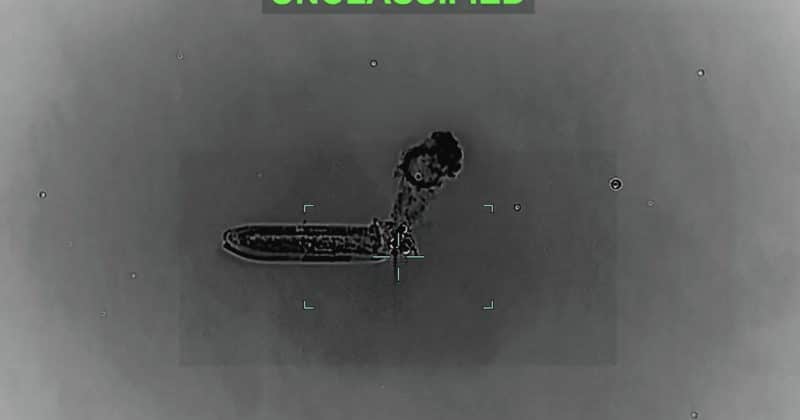
US forces struck an oil tanker in the Gulf of Oman on June 9, disabling the vessel after it attempted to transport Iranian crude in defiance of the American maritime blockade. The M/T Settebello, a Palau-flagged tanker carrying 24 Indian seafarers, was hit with precision munitions targeting its engine room after the crew repeatedly ignored warnings from US military aircraft.

Three crew members are missing. Twenty-one others were rescued. The incident marks the second straight day of kinetic enforcement actions by US Central Command, and the eighth vessel disabled since the blockade took effect on April 13.

What happened in the Gulf of Oman

CENTCOM reported the strike occurred at approximately 11:14 p.m. EST. A US aircraft engaged the Settebello’s engine room after the tanker’s crew failed to comply with multiple warnings to change course. The 29-year-old vessel, registered under IMO number 9162916, was attempting to move oil out of Iran when it was intercepted.

Advertisement

The precision strike was designed to disable rather than destroy, targeting the ship’s propulsion system. Out of 24 Indian nationals crewing the tanker, three remain unaccounted for, and additional injuries have been reported among the survivors.

The day before, CENTCOM had disabled the Botswana-flagged M/T Lexie in a similar enforcement action. Since April 13, CENTCOM has redirected 134 vessels attempting to move Iranian oil. Eight of those encounters escalated to the point where US forces disabled the ships outright, roughly 6% of interdicted vessels physically stopped with military force.

India responds, diplomatic tensions rise

The Indian government condemned the strike, pointing to the human cost borne by civilian mariners. Three missing crew members and multiple injuries among Indian nationals have turned the blockade into a direct bilateral irritant between the US and India.

India has historically maintained its own oil trade relationships with Iran and has pushed back against secondary sanctions. A military strike that leaves Indian citizens dead or missing raises the stakes considerably beyond the usual diplomatic back-and-forth.

The blockade so far

The US maritime blockade against Iranian oil exports went into effect on April 13, 2026. The Gulf of Oman sits at the mouth of the Strait of Hormuz, through which roughly a fifth of the world’s oil passes daily.

Eight disabled vessels in less than two months suggests the blockade is encountering persistent resistance. The 134 redirections indicate that most ships comply when confronted, but a meaningful number are still willing to test the enforcement perimeter.

What this means for energy and shipping markets

War risk insurance premiums in the Gulf of Oman were already elevated. Each disabled vessel pushes those premiums higher, which increases transportation costs across the board, not just for Iranian oil but for all crude moving through the strait.

Disclosure: This article was edited by Editorial Team. For more information on how we create and review content, see our Editorial Policy.

US Central Command disables oil tanker M/T Settebello for violating Iran blockade

US Central Command disables oil tanker M/T Settebello for violating Iran blockade

The Palau-flagged vessel is the eighth ship disabled since the US maritime blockade began in April, with three Indian crew members reported missing.

US forces struck an oil tanker in the Gulf of Oman on June 9, disabling the vessel after it attempted to transport Iranian crude in defiance of the American maritime blockade. The M/T Settebello, a Palau-flagged tanker carrying 24 Indian seafarers, was hit with precision munitions targeting its engine room after the crew repeatedly ignored warnings from US military aircraft.

Three crew members are missing. Twenty-one others were rescued. The incident marks the second straight day of kinetic enforcement actions by US Central Command, and the eighth vessel disabled since the blockade took effect on April 13.

What happened in the Gulf of Oman

CENTCOM reported the strike occurred at approximately 11:14 p.m. EST. A US aircraft engaged the Settebello’s engine room after the tanker’s crew failed to comply with multiple warnings to change course. The 29-year-old vessel, registered under IMO number 9162916, was attempting to move oil out of Iran when it was intercepted.

Advertisement

The precision strike was designed to disable rather than destroy, targeting the ship’s propulsion system. Out of 24 Indian nationals crewing the tanker, three remain unaccounted for, and additional injuries have been reported among the survivors.

The day before, CENTCOM had disabled the Botswana-flagged M/T Lexie in a similar enforcement action. Since April 13, CENTCOM has redirected 134 vessels attempting to move Iranian oil. Eight of those encounters escalated to the point where US forces disabled the ships outright, roughly 6% of interdicted vessels physically stopped with military force.

India responds, diplomatic tensions rise

The Indian government condemned the strike, pointing to the human cost borne by civilian mariners. Three missing crew members and multiple injuries among Indian nationals have turned the blockade into a direct bilateral irritant between the US and India.

India has historically maintained its own oil trade relationships with Iran and has pushed back against secondary sanctions. A military strike that leaves Indian citizens dead or missing raises the stakes considerably beyond the usual diplomatic back-and-forth.

The blockade so far

The US maritime blockade against Iranian oil exports went into effect on April 13, 2026. The Gulf of Oman sits at the mouth of the Strait of Hormuz, through which roughly a fifth of the world’s oil passes daily.

Eight disabled vessels in less than two months suggests the blockade is encountering persistent resistance. The 134 redirections indicate that most ships comply when confronted, but a meaningful number are still willing to test the enforcement perimeter.

What this means for energy and shipping markets

War risk insurance premiums in the Gulf of Oman were already elevated. Each disabled vessel pushes those premiums higher, which increases transportation costs across the board, not just for Iranian oil but for all crude moving through the strait.

Disclosure: This article was edited by Editorial Team. For more information on how we create and review content, see our Editorial Policy.