
Nexo Earn with Nexo
US Central Command strikes Iran-bound oil tankers in Gulf of Oman enforcement operation

US Central Command strikes Iran-bound oil tankers in Gulf of Oman enforcement operation

CENTCOM disabled multiple Iranian-flagged vessels with precision munitions as part of an ongoing blockade, with potential implications for global oil markets and crypto-correlated commodities.

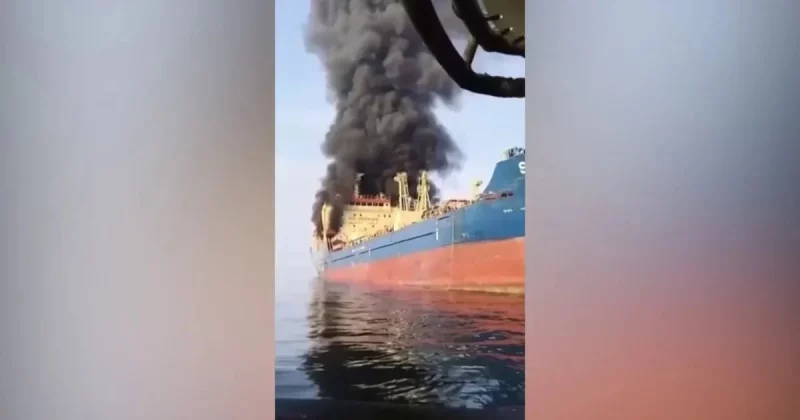
US Central Command struck Iranian-flagged oil tankers in the Gulf of Oman on May 8, 2026, firing precision munitions at vessels that ignored repeated warnings to turn back. The operation represents a significant escalation in Washington’s enforcement of a naval blockade designed to cut off Iranian oil shipments.

CENTCOM confirmed that forces successfully disabled at least two empty tankers, the M/T Sea Star III and the M/T Sevda, by targeting their smokestacks. The strikes neutralized the vessels without sinking them. A third vessel, the M/T Lexie, was also referenced in connection with the operation, though its status remains less clearly verified.

What happened in the Gulf of Oman

US forces used precision munitions, a deliberate choice that allowed them to incapacitate the ships rather than sink them. The smokestacks were the targets, effectively disabling the engines while leaving the hulls intact.

Advertisement

CENTCOM stated that all targeted vessels are no longer en route to Iran. The tankers were reportedly empty at the time of the strikes.

The M/T Lexie, specifically named in early reports, sits in a murkier position. There are indications of potential misidentification or conflicting accounts about this particular vessel’s involvement. What is confirmed is that CENTCOM considers the operation a success across the board.

The blockade strategy and its broader context

Physically striking tankers with munitions marks a notable step beyond the typical playbook of warnings, seizures, and sanctions enforcement. Previous operations tended to involve boarding parties or escort maneuvers.

The enforcement blockade is part of a maximum-pressure campaign targeting Iran’s oil revenue. Cutting off tanker traffic is the kinetic complement to financial sanctions that have been in place for years.

What this means for markets and crypto investors

CENTCOM’s own communications make no mention of digital assets, blockchain, or sanctions evasion via crypto in connection with this operation.

Iran has been linked to the use of cryptocurrency for circumventing financial restrictions in the past. If kinetic enforcement of the oil blockade intensifies, it could push more Iranian trade activity into alternative payment rails, including crypto, which would likely draw additional regulatory scrutiny onto exchanges and DeFi protocols that facilitate cross-border transfers.

Disclosure: This article was edited by Editorial Team. For more information on how we create and review content, see our Editorial Policy.

US Central Command strikes Iran-bound oil tankers in Gulf of Oman enforcement operation

US Central Command strikes Iran-bound oil tankers in Gulf of Oman enforcement operation

CENTCOM disabled multiple Iranian-flagged vessels with precision munitions as part of an ongoing blockade, with potential implications for global oil markets and crypto-correlated commodities.

US Central Command struck Iranian-flagged oil tankers in the Gulf of Oman on May 8, 2026, firing precision munitions at vessels that ignored repeated warnings to turn back. The operation represents a significant escalation in Washington’s enforcement of a naval blockade designed to cut off Iranian oil shipments.

CENTCOM confirmed that forces successfully disabled at least two empty tankers, the M/T Sea Star III and the M/T Sevda, by targeting their smokestacks. The strikes neutralized the vessels without sinking them. A third vessel, the M/T Lexie, was also referenced in connection with the operation, though its status remains less clearly verified.

What happened in the Gulf of Oman

US forces used precision munitions, a deliberate choice that allowed them to incapacitate the ships rather than sink them. The smokestacks were the targets, effectively disabling the engines while leaving the hulls intact.

Advertisement

CENTCOM stated that all targeted vessels are no longer en route to Iran. The tankers were reportedly empty at the time of the strikes.

The M/T Lexie, specifically named in early reports, sits in a murkier position. There are indications of potential misidentification or conflicting accounts about this particular vessel’s involvement. What is confirmed is that CENTCOM considers the operation a success across the board.

The blockade strategy and its broader context

Physically striking tankers with munitions marks a notable step beyond the typical playbook of warnings, seizures, and sanctions enforcement. Previous operations tended to involve boarding parties or escort maneuvers.

The enforcement blockade is part of a maximum-pressure campaign targeting Iran’s oil revenue. Cutting off tanker traffic is the kinetic complement to financial sanctions that have been in place for years.

What this means for markets and crypto investors

CENTCOM’s own communications make no mention of digital assets, blockchain, or sanctions evasion via crypto in connection with this operation.

Iran has been linked to the use of cryptocurrency for circumventing financial restrictions in the past. If kinetic enforcement of the oil blockade intensifies, it could push more Iranian trade activity into alternative payment rails, including crypto, which would likely draw additional regulatory scrutiny onto exchanges and DeFi protocols that facilitate cross-border transfers.

Disclosure: This article was edited by Editorial Team. For more information on how we create and review content, see our Editorial Policy.