
 Earn with Nexo
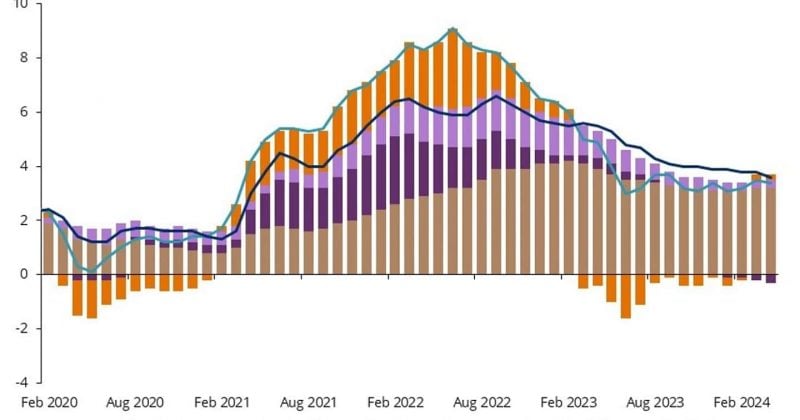
US consumer inflation rises 3.8% in April, highest in three years
The hottest inflation print since 2022 puts Fed rate cuts further out of reach and adds fresh pressure on risk assets including crypto.
US consumer prices climbed 3.8% year-over-year in April, the highest annual inflation rate in three years. The number lands nearly double the Federal Reserve’s 2% target, pouring cold water on hopes that the central bank might ease monetary policy anytime soon.
The numbers and why they sting
A 3.8% annual inflation rate isn’t just a miss on the Fed’s target. It represents a meaningful reversal of the disinflation trend that had been building since 2023, when price pressures started to cool from their post-pandemic highs.
The immediate mechanical effect is straightforward. Higher inflation typically pushes Treasury yields upward and strengthens the US dollar. Both of those things make risk assets, from tech stocks to Bitcoin, relatively less attractive. The reading also makes it significantly harder for the Fed to justify rate cuts. The “higher for longer” narrative that dominated 2024 isn’t just alive. It’s thriving.
What this means for Bitcoin and crypto
The relationship between inflation data and crypto prices follows a fairly predictable short-term pattern. Hot inflation prints tend to trigger immediate sell-offs in major digital assets as traders reprice rate-cut expectations. Bitcoin and Ethereum are no exception.
Bitcoin has historically performed well during periods when inflation is declining from elevated levels. April’s print disrupts that setup by suggesting the decline has stalled, or worse, reversed.
On the flip side, persistently high inflation actually strengthens one of Bitcoin’s oldest narrative pillars: the store-of-value argument. When the purchasing power of fiat currency erodes at nearly 4% per year, the pitch for a fixed-supply digital asset gets louder. This is especially true in an environment of high fiscal deficits, where governments show little appetite for the kind of spending restraint that might actually tame prices.
Traders should expect an initial period of volatility and potential downside pressure, followed by stabilization as the market digests the data and reassesses where the Fed actually goes from here. This pattern has repeated after multiple inflation surprises throughout the 2024-2025 cycle.
The bigger macro picture
Repeated inflation surprises over the past year have gradually forced markets to abandon the aggressive rate-cut expectations that fueled the risk-on rally in late 2023 and early 2024. The “higher for longer” interest rate environment has become the default assumption rather than the bearish outlier.
For the Federal Reserve, the April data creates an awkward position. Cutting rates while inflation accelerates would undermine credibility. But holding rates at elevated levels risks eventually tipping the economy into a slowdown, particularly as consumers and businesses feel the squeeze of both high prices and high borrowing costs.