
US consumer sentiment hits lowest level in history as Bitcoin holds near $77K
The University of Michigan's consumer sentiment index plunged to 44.8 in May, the worst reading since the survey began in the 1950s, yet Bitcoin is barely flinching.
Americans haven’t felt this gloomy about the economy since Eisenhower was in office. Actually, that’s underselling it. They’ve never felt this gloomy, period.
The University of Michigan’s Index of Consumer Sentiment dropped to 44.8 in its final May reading, down from 49.8 in April. That’s the lowest number the survey has ever recorded since it started tracking the national mood in the 1950s. For context, this reading is worse than the depths of the 2008 financial crisis, worse than the early pandemic panic, worse than anything the survey has captured in roughly seven decades of data.
What’s driving the despair
The culprit isn’t mysterious. More than half of respondents, 57%, pointed to high prices as the primary force eroding their financial situations. And within that group, a full one-third singled out gasoline costs specifically.
Surging fuel prices and persistent cost pressures tied to supply disruptions from the ongoing US-Iran conflict have created a one-two punch for household budgets.
The Current Economic Conditions component of the survey fell to 45.8, representing roughly a 13% decline from the prior month.
The news moving money, markets, and the world—before your day starts.
Daily. Free. Join 34,000+ readers across crypto, finance, and policy.
Year-ahead inflation expectations actually ticked down slightly, from 4.7% to 4.5%. Consumers still expect prices to keep climbing, but the rate of expected increase has modestly cooled.
Bitcoin’s quiet resilience
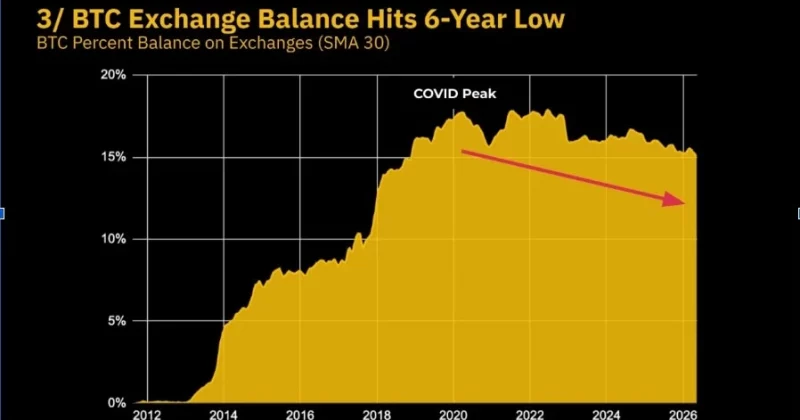
Despite what is objectively the worst consumer confidence reading in modern American history, Bitcoin has been trading near $77,000.
Bitcoin appears to be holding its ground while the average American reports feeling financially squeezed from every direction. Analysts suggest that institutional investment has played a significant role in buoying the digital asset market, with institutional flows now being key drivers in the cryptocurrency markets, diverging from the bearish outlook prevalent among retail consumers.
What this means for investors
Consumer spending accounts for roughly two-thirds of US GDP. When the people doing the spending say they’re struggling, it tends to matter.
If gasoline prices continue climbing on the back of US-Iran supply disruptions, year-ahead inflation expectations could reverse from their current 4.5% reading just as quickly.