
Nexo Earn with Nexo
US submits draft agreement to Iran via Pakistan as diplomatic channel takes shape

US submits draft agreement to Iran via Pakistan as diplomatic channel takes shape

A 15-point framework covering ceasefire terms, nuclear moratorium, and sanctions relief marks a concrete step in negotiations between Washington and Tehran.

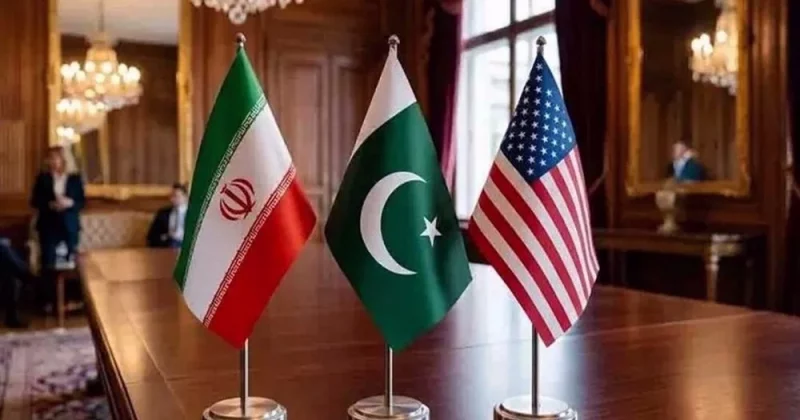
The United States has sent a draft agreement to Iran through Pakistan, formalizing a diplomatic channel that could reshape the trajectory of the ongoing conflict between Washington and Tehran. The one-page memo lays out a 15-point framework that spans ceasefire conditions, nuclear provisions, and phased sanctions relief.

Pakistan is serving as the sole intermediary between the two nations, managing communication and proposing meeting venues. Think of it as the group chat moderator nobody asked for but everyone apparently needs.

What’s in the 15-point plan

The US proposal is dense for a single page. At its core, the framework demands an immediate ceasefire, the reopening of the Strait of Hormuz, and a moratorium on uranium enrichment.

In exchange, Washington is offering phased sanctions relief and asset releases. The operative word there is “phased,” meaning Iran wouldn’t see the full economic benefit upfront. It would come in stages, presumably tied to verified compliance on the nuclear and military fronts.

Enhanced inspections are also part of the package, which suggests the US wants monitoring mechanisms that go beyond what previous agreements have included. The proposal essentially asks Iran to freeze its nuclear program in return for a gradual loosening of the economic pressure that has defined Washington’s approach for years.

The duration of any uranium enrichment moratorium is one of the biggest sticking points. Proposals on the table have ranged from 5 to 20 years, a gap so wide it practically constitutes its own negotiation.

Advertisement

Iran’s counter-position

Tehran is not buying what Washington is selling. At least not the current version.

Iran has pushed back against the idea of a temporary ceasefire, arguing that any deal needs to be comprehensive rather than incremental. The Iranian position favors a broader settlement that includes full sanctions relief and explicit commitments from the US regarding nuclear weapons.

Iran has presented its own 10-point counter-proposal, signaling that while it’s willing to negotiate, the terms need to look fundamentally different from what the US has put forward. The gap between a 15-point American plan and a 10-point Iranian response might seem like just arithmetic, but it reflects genuinely divergent visions for what a final deal should accomplish.

Here’s the thing. Iran’s insistence on guarantees rather than phased relief isn’t new. It echoes the same dynamic that plagued the original JCPOA negotiations and the Trump-era withdrawal fallout. Tehran has been burned before by agreements that unraveled when administrations changed, and it wants something more durable this time.

A two-week ceasefire has been set for April 8, 2026, linked to negotiations for a comprehensive agreement. That date functions as both a deadline and a test: whether both sides can translate paper frameworks into operational reality on the ground.

Pakistan’s role and broader context

Pakistan’s position as the sole intermediary is notable. Historically, Oman, Switzerland, and various European nations have played go-between roles in US-Iran diplomacy. Pakistan’s selection reflects both geographic proximity and existing diplomatic relationships with Tehran that other potential mediators may lack.

The channel through Islamabad also carries its own complications. Pakistan has its own complex relationship with both Washington and Tehran, and serving as the diplomatic conduit means absorbing pressure from both directions. Managing expectations between two governments that fundamentally distrust each other is not exactly a low-stress assignment.

The broader backdrop here is the 2025-2026 US-Iran conflict, which has made these negotiations more urgent than any previous round of diplomatic engagement between the two countries. The Strait of Hormuz, a chokepoint through which roughly a fifth of the world’s oil passes on any given day, being included in the ceasefire framework underscores the global economic stakes beyond the bilateral relationship.

What this means for markets

Look, this is primarily a geopolitical story, not a crypto story. No indications of crypto-specific negotiations have emerged from the framework. But the downstream effects matter for anyone watching risk assets.

The Strait of Hormuz provision alone has implications for global energy prices, which in turn influence inflation expectations, central bank policy, and the broader risk appetite that drives capital into or out of speculative assets like crypto. A sustained reopening of the strait would ease one of the most significant supply-side pressures in global oil markets.

Sanctions relief, if it materializes, would also be worth watching. Iran has historically used alternative financial channels, including crypto, to circumvent US sanctions. A formal easing of those restrictions could shift how Iranian capital moves through global markets, though the specifics would depend entirely on the final terms of any agreement.

The April 2026 ceasefire date gives markets a concrete event to price around. If negotiations collapse before or during that window, the risk premium on energy and related assets could spike. If they hold, it could mark the beginning of a broader de-escalation cycle that reduces geopolitical risk across multiple asset classes.

For crypto investors specifically, the signal to watch is whether sanctions relief language in the final agreement includes any provisions around digital assets or alternative payment systems. That would be genuinely novel. For now, the draft remains a starting point, and Iran’s counter-proposal suggests the final version, if one emerges, will look substantially different from what the US just put on the table.

Disclosure: This article was edited by Editorial Team. For more information on how we create and review content, see our Editorial Policy.

US submits draft agreement to Iran via Pakistan as diplomatic channel takes shape

US submits draft agreement to Iran via Pakistan as diplomatic channel takes shape

A 15-point framework covering ceasefire terms, nuclear moratorium, and sanctions relief marks a concrete step in negotiations between Washington and Tehran.

The United States has sent a draft agreement to Iran through Pakistan, formalizing a diplomatic channel that could reshape the trajectory of the ongoing conflict between Washington and Tehran. The one-page memo lays out a 15-point framework that spans ceasefire conditions, nuclear provisions, and phased sanctions relief.

Pakistan is serving as the sole intermediary between the two nations, managing communication and proposing meeting venues. Think of it as the group chat moderator nobody asked for but everyone apparently needs.

What’s in the 15-point plan

The US proposal is dense for a single page. At its core, the framework demands an immediate ceasefire, the reopening of the Strait of Hormuz, and a moratorium on uranium enrichment.

In exchange, Washington is offering phased sanctions relief and asset releases. The operative word there is “phased,” meaning Iran wouldn’t see the full economic benefit upfront. It would come in stages, presumably tied to verified compliance on the nuclear and military fronts.

Enhanced inspections are also part of the package, which suggests the US wants monitoring mechanisms that go beyond what previous agreements have included. The proposal essentially asks Iran to freeze its nuclear program in return for a gradual loosening of the economic pressure that has defined Washington’s approach for years.

The duration of any uranium enrichment moratorium is one of the biggest sticking points. Proposals on the table have ranged from 5 to 20 years, a gap so wide it practically constitutes its own negotiation.

Advertisement

Iran’s counter-position

Tehran is not buying what Washington is selling. At least not the current version.

Iran has pushed back against the idea of a temporary ceasefire, arguing that any deal needs to be comprehensive rather than incremental. The Iranian position favors a broader settlement that includes full sanctions relief and explicit commitments from the US regarding nuclear weapons.

Iran has presented its own 10-point counter-proposal, signaling that while it’s willing to negotiate, the terms need to look fundamentally different from what the US has put forward. The gap between a 15-point American plan and a 10-point Iranian response might seem like just arithmetic, but it reflects genuinely divergent visions for what a final deal should accomplish.

Here’s the thing. Iran’s insistence on guarantees rather than phased relief isn’t new. It echoes the same dynamic that plagued the original JCPOA negotiations and the Trump-era withdrawal fallout. Tehran has been burned before by agreements that unraveled when administrations changed, and it wants something more durable this time.

A two-week ceasefire has been set for April 8, 2026, linked to negotiations for a comprehensive agreement. That date functions as both a deadline and a test: whether both sides can translate paper frameworks into operational reality on the ground.

Pakistan’s role and broader context

Pakistan’s position as the sole intermediary is notable. Historically, Oman, Switzerland, and various European nations have played go-between roles in US-Iran diplomacy. Pakistan’s selection reflects both geographic proximity and existing diplomatic relationships with Tehran that other potential mediators may lack.

The channel through Islamabad also carries its own complications. Pakistan has its own complex relationship with both Washington and Tehran, and serving as the diplomatic conduit means absorbing pressure from both directions. Managing expectations between two governments that fundamentally distrust each other is not exactly a low-stress assignment.

The broader backdrop here is the 2025-2026 US-Iran conflict, which has made these negotiations more urgent than any previous round of diplomatic engagement between the two countries. The Strait of Hormuz, a chokepoint through which roughly a fifth of the world’s oil passes on any given day, being included in the ceasefire framework underscores the global economic stakes beyond the bilateral relationship.

What this means for markets

Look, this is primarily a geopolitical story, not a crypto story. No indications of crypto-specific negotiations have emerged from the framework. But the downstream effects matter for anyone watching risk assets.

The Strait of Hormuz provision alone has implications for global energy prices, which in turn influence inflation expectations, central bank policy, and the broader risk appetite that drives capital into or out of speculative assets like crypto. A sustained reopening of the strait would ease one of the most significant supply-side pressures in global oil markets.

Sanctions relief, if it materializes, would also be worth watching. Iran has historically used alternative financial channels, including crypto, to circumvent US sanctions. A formal easing of those restrictions could shift how Iranian capital moves through global markets, though the specifics would depend entirely on the final terms of any agreement.

The April 2026 ceasefire date gives markets a concrete event to price around. If negotiations collapse before or during that window, the risk premium on energy and related assets could spike. If they hold, it could mark the beginning of a broader de-escalation cycle that reduces geopolitical risk across multiple asset classes.

For crypto investors specifically, the signal to watch is whether sanctions relief language in the final agreement includes any provisions around digital assets or alternative payment systems. That would be genuinely novel. For now, the draft remains a starting point, and Iran’s counter-proposal suggests the final version, if one emerges, will look substantially different from what the US just put on the table.

Disclosure: This article was edited by Editorial Team. For more information on how we create and review content, see our Editorial Policy.