
US eases travel restrictions for Iran’s World Cup team before Seattle match

US eases travel restrictions for Iran’s World Cup team before Seattle match

The Department of Homeland Security will allow Team Melli to arrive two days before their June 26 match against Egypt, a reversal that carries implications for sanctions policy and crypto compliance

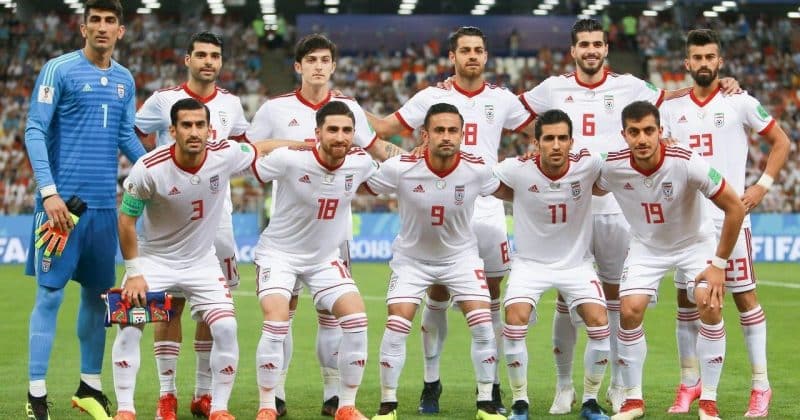
Iran’s national soccer team can finally pack more than a carry-on for their trip to the United States. The Department of Homeland Security confirmed on June 23 that it would ease travel restrictions for Team Melli, allowing the squad to arrive in Seattle two full days before their World Cup match against Egypt on June 26.

The previous policy was, to put it mildly, inhospitable. Teams from sanctioned nations were restricted to 24-hour travel windows, meaning they could only enter the US on the day of the match itself.

What changed and why it matters

Under the revised policy, described as “match day minus two,” Iran’s squad will depart their base camp in Tijuana, Mexico, on June 24 and arrive in Seattle with enough time to train and acclimate.

DHS confirmed that all 31 players and coaches have received US visas. Some team officials, however, remain in limbo due to outstanding background checks.

Advertisement

The Iran Football Federation had been vocal about what it characterized as unfair treatment compared to other participating nations. The federation reportedly threatened to file a formal complaint with FIFA, the sport’s global governing body, over the restrictive travel conditions.

The geopolitical backdrop

None of this exists in a vacuum. US-Iran relations remain among the most fraught bilateral relationships in global politics. The two countries have not had formal diplomatic ties since 1980, and layers of economic sanctions govern nearly every form of cross-border interaction.

Those sanctions extend well beyond soccer. The Office of Foreign Assets Control, or OFAC, maintains a comprehensive sanctions regime that bars US persons and entities from engaging in most transactions with Iranian counterparts.

The travel restriction easing for Team Melli is narrowly scoped. It applies to the World Cup squad and their immediate support staff, not to broader diplomatic engagement.

What this means for crypto and sanctions compliance

For the crypto industry, the Iran situation is a useful case study in how sanctions enforcement actually works in practice. OFAC’s restrictions on Iranian entities are among the most aggressively enforced in digital asset markets. Tornado Cash, the Ethereum mixing protocol sanctioned in 2022, was targeted in part because of alleged use by Iranian-linked actors. Several crypto exchanges have been fined or warned for processing transactions tied to Iranian users.

The absence of any Iranian national fan token on platforms like Chiliz or Socios underscores the point. In a World Cup cycle where fan tokens have become a meaningful revenue stream for participating federations, Iran’s team is effectively locked out of that market. Team Melli cannot participate, because the sanctions regime makes it legally radioactive for any platform with US nexus to facilitate such offerings.

Investors watching the intersection of sports, sanctions, and digital assets should note one pattern: the US government treats sporting exceptions and financial exceptions as entirely separate categories. The willingness to let 31 soccer players cross the border says nothing about the willingness to let Iranian capital flow through US-connected financial infrastructure, crypto or otherwise.

Disclosure: This article was edited by Editorial Team. For more information on how we create and review content, see our Editorial Policy.

US eases travel restrictions for Iran’s World Cup team before Seattle match

US eases travel restrictions for Iran’s World Cup team before Seattle match

The Department of Homeland Security will allow Team Melli to arrive two days before their June 26 match against Egypt, a reversal that carries implications for sanctions policy and crypto compliance

Iran’s national soccer team can finally pack more than a carry-on for their trip to the United States. The Department of Homeland Security confirmed on June 23 that it would ease travel restrictions for Team Melli, allowing the squad to arrive in Seattle two full days before their World Cup match against Egypt on June 26.

The previous policy was, to put it mildly, inhospitable. Teams from sanctioned nations were restricted to 24-hour travel windows, meaning they could only enter the US on the day of the match itself.

What changed and why it matters

Under the revised policy, described as “match day minus two,” Iran’s squad will depart their base camp in Tijuana, Mexico, on June 24 and arrive in Seattle with enough time to train and acclimate.

DHS confirmed that all 31 players and coaches have received US visas. Some team officials, however, remain in limbo due to outstanding background checks.

Advertisement

The Iran Football Federation had been vocal about what it characterized as unfair treatment compared to other participating nations. The federation reportedly threatened to file a formal complaint with FIFA, the sport’s global governing body, over the restrictive travel conditions.

The geopolitical backdrop

None of this exists in a vacuum. US-Iran relations remain among the most fraught bilateral relationships in global politics. The two countries have not had formal diplomatic ties since 1980, and layers of economic sanctions govern nearly every form of cross-border interaction.

Those sanctions extend well beyond soccer. The Office of Foreign Assets Control, or OFAC, maintains a comprehensive sanctions regime that bars US persons and entities from engaging in most transactions with Iranian counterparts.

The travel restriction easing for Team Melli is narrowly scoped. It applies to the World Cup squad and their immediate support staff, not to broader diplomatic engagement.

What this means for crypto and sanctions compliance

For the crypto industry, the Iran situation is a useful case study in how sanctions enforcement actually works in practice. OFAC’s restrictions on Iranian entities are among the most aggressively enforced in digital asset markets. Tornado Cash, the Ethereum mixing protocol sanctioned in 2022, was targeted in part because of alleged use by Iranian-linked actors. Several crypto exchanges have been fined or warned for processing transactions tied to Iranian users.

The absence of any Iranian national fan token on platforms like Chiliz or Socios underscores the point. In a World Cup cycle where fan tokens have become a meaningful revenue stream for participating federations, Iran’s team is effectively locked out of that market. Team Melli cannot participate, because the sanctions regime makes it legally radioactive for any platform with US nexus to facilitate such offerings.

Investors watching the intersection of sports, sanctions, and digital assets should note one pattern: the US government treats sporting exceptions and financial exceptions as entirely separate categories. The willingness to let 31 soccer players cross the border says nothing about the willingness to let Iranian capital flow through US-connected financial infrastructure, crypto or otherwise.

Disclosure: This article was edited by Editorial Team. For more information on how we create and review content, see our Editorial Policy.