
Nexo Earn with Nexo
US expands naval blockade on vessels suspected of contraband to Iran

US expands naval blockade on vessels suspected of contraband to Iran

Strait of Hormuz Traffic

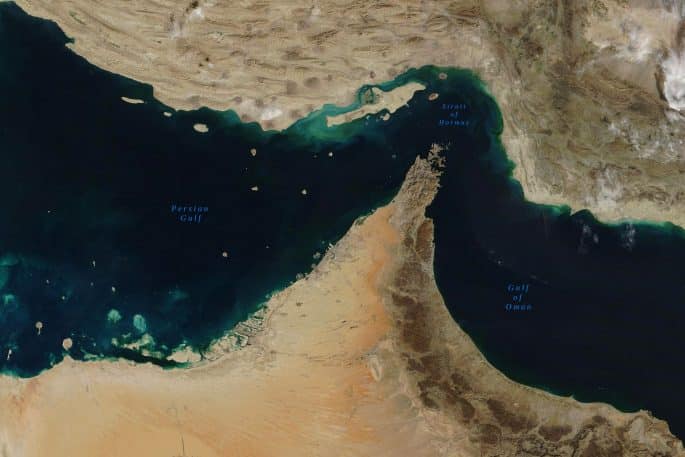
The U.S. has broadened its naval blockade, targeting vessels suspected of carrying contraband to Iran. Strait of Hormuz traffic normalization by May 31 now sits at 18% YES.

The blockade now covers more than 100 vessels, focusing on those potentially carrying weapons or sanctioned materials. Traders have reacted sharply: odds for traffic normalization by May 31 dropped from 24% yesterday to 18% today, a 6-point decline that prices in prolonged disruption.

Advertisement

The May 31 sub-market has seen the most movement. A 45-day resolution window paired with an expanding blockade makes a swift return to normal traffic unlikely. The odds reflect growing expectations of continued restrictions and possible further confrontations. Current pricing signals clear skepticism about near-term de-escalation.

On the trading side, the market’s face value shows no new trades, pointing to thin liquidity. That means any significant order could move the odds disproportionately. At 18%, a YES share priced at 18¢ pays $1 if normalcy returns by May 31, a potential 5.56x return. This is a high-risk, high-reward position that depends entirely on diplomatic shifts or unexpected de-escalation.

The expanded blockade points to a persistent and possibly escalating conflict rather than a temporary spike. Previous coverage showed odds declining after sanctions on Iran’s oil shipping network. The latest developments reinforce that bearish direction, suggesting the blockade’s impact represents a sustained strategic shift rather than short-term noise.

Watch for statements from CENTCOM or Iranian officials, which could signal diplomatic movement in either direction.

Get prediction market intelligence as a structured API feed. Early access waitlist.

Disclosure: This article was edited by Estefano Gomez. For more information on how we create and review content, see our Editorial Policy.

US expands naval blockade on vessels suspected of contraband to Iran

US expands naval blockade on vessels suspected of contraband to Iran

Strait of Hormuz Traffic

The U.S. has broadened its naval blockade, targeting vessels suspected of carrying contraband to Iran. Strait of Hormuz traffic normalization by May 31 now sits at 18% YES.

The blockade now covers more than 100 vessels, focusing on those potentially carrying weapons or sanctioned materials. Traders have reacted sharply: odds for traffic normalization by May 31 dropped from 24% yesterday to 18% today, a 6-point decline that prices in prolonged disruption.

Advertisement

The May 31 sub-market has seen the most movement. A 45-day resolution window paired with an expanding blockade makes a swift return to normal traffic unlikely. The odds reflect growing expectations of continued restrictions and possible further confrontations. Current pricing signals clear skepticism about near-term de-escalation.

On the trading side, the market’s face value shows no new trades, pointing to thin liquidity. That means any significant order could move the odds disproportionately. At 18%, a YES share priced at 18¢ pays $1 if normalcy returns by May 31, a potential 5.56x return. This is a high-risk, high-reward position that depends entirely on diplomatic shifts or unexpected de-escalation.

The expanded blockade points to a persistent and possibly escalating conflict rather than a temporary spike. Previous coverage showed odds declining after sanctions on Iran’s oil shipping network. The latest developments reinforce that bearish direction, suggesting the blockade’s impact represents a sustained strategic shift rather than short-term noise.

Watch for statements from CENTCOM or Iranian officials, which could signal diplomatic movement in either direction.

Get prediction market intelligence as a structured API feed. Early access waitlist.

Disclosure: This article was edited by Estefano Gomez. For more information on how we create and review content, see our Editorial Policy.