
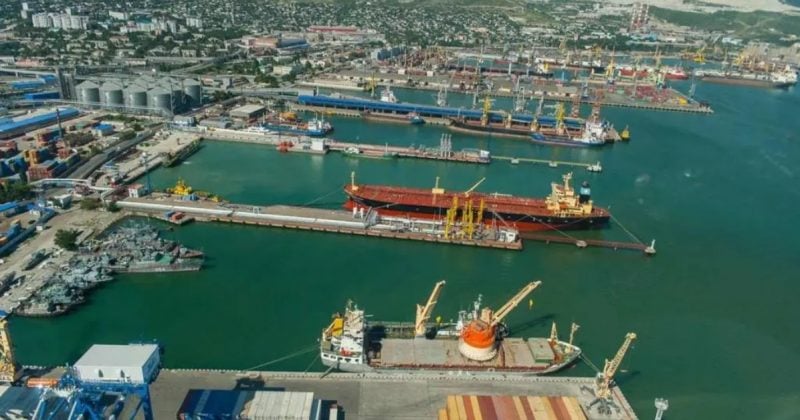
US forces destroy Iranian surveillance tower at Chabahar port for the third time
The strike on the IRGC's maritime monitoring facility marks six straight nights of US military operations targeting Iranian infrastructure near the Strait of Hormuz
The US military destroyed a maritime surveillance tower at Iran’s Chabahar port on July 17, 2026, hitting the same facility for the third time as part of an intensifying campaign against Iranian infrastructure along one of the world’s most consequential shipping corridors.
Iranian state media confirmed the tower’s destruction. US Defense Secretary Pete Hegseth publicly acknowledged the operation, calling it a deliberate and significant move in the context of ongoing hostilities with Tehran.
What happened and why Chabahar matters
The strike was part of the sixth consecutive night of US military operations targeting Iranian infrastructure. CENTCOM reported dozens of targets hit across these nightly raids, with bridges in Hormozgan province also among the sites struck.
The Islamic Revolutionary Guard Corps used the tower to monitor shipping traffic moving through the Gulf of Oman and into the Strait of Hormuz, the narrow chokepoint through which roughly 20% of the world’s oil and gas trade flows every day.
Chabahar itself carries strategic weight beyond its surveillance role. It is one of Iran’s primary trade hubs and its only oceanic port, making it a critical node for both commerce and military projection.
The news moving money, markets, and the world—before your day starts.
Daily. Free. Join 34,000+ readers across crypto, finance, and policy.
The Strait of Hormuz and what closing it would actually mean
Iran has threatened to close the Strait of Hormuz before, typically during periods of peak tension with Washington or amid sanctions escalation. Those threats have historically rattled oil markets without ever materializing into a full blockade.
A genuine closure of the Strait of Hormuz would be a supply shock of historic proportions. The strait is narrow enough that a determined naval effort could meaningfully disrupt tanker traffic, sending oil prices sharply higher and touching every corner of the global economy from airline fuel costs to plastics manufacturing.
What this means for markets and crypto
The crypto market’s response to this escalation has been notably restrained. Bitcoin held in the $63,800 to $64,000 range through the period of active strikes, a relatively steady performance given that oil prices were rising and equity markets were absorbing the uncertainty of an active US military campaign in the Middle East.
For crypto investors specifically, the more relevant downstream risk is the oil price channel. Elevated energy costs feed into inflation data, which shapes central bank policy expectations, which in turn influence risk appetite across all asset classes including digital assets.
There is also the sanctions dimension to watch. Iran has a documented history of using crypto mining and transactions to offset the impact of dollar-denominated sanctions, so any tightening of that pressure tends to have at least a marginal effect on on-chain activity.