
Nexo Earn with Nexo
US government says forces in Middle East stay until nuclear deal with Iran is reached

US government says forces in Middle East stay until nuclear deal with Iran is reached

Approximately 50,000 American troops will remain deployed in the region as a 60-day window for nuclear negotiations opens following a framework agreement

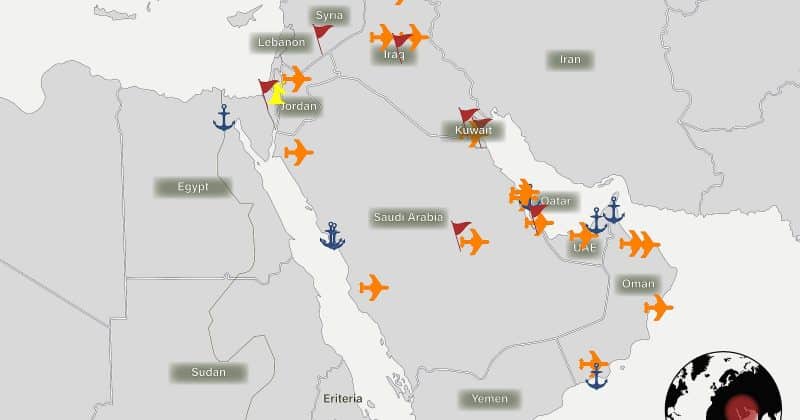
The US isn’t going anywhere. Despite a framework deal between Washington and Tehran that aims to end active hostilities and reopen the Strait of Hormuz, roughly 50,000 American troops will stay parked in the Middle East until Iran’s nuclear program is addressed to Washington’s satisfaction.

US Defense Secretary Pete Hegseth confirmed the continued military presence, framing it as an enforcement mechanism to ensure Iranian compliance.

What the framework deal actually covers

The agreement, reached in June 2026, is narrower than you might expect. It primarily addresses two things: ending the active fighting between the two sides and lifting the naval blockade on Iranian ports.

The Strait of Hormuz is set to reopen on June 19, 2026. That date coincides with the formal signing of the framework agreement in Switzerland.

Advertisement

This isn’t a nuclear deal. Not yet, anyway. The framework punts the hard stuff, specifically Iran’s nuclear program, uranium stockpiles, and potential sanctions relief, into a 60-day discussion window that begins after the signing.

The previous major attempt at nuclear diplomacy, the 2015 Joint Comprehensive Plan of Action (JCPOA), officially expired in 2025, leaving a diplomatic vacuum that this new framework is attempting to fill. Instead of going for a comprehensive nuclear agreement upfront, the current approach prioritizes de-escalation and trade route security first.

How we got here

The path to this framework was not exactly smooth. The period leading up to the agreement featured significant military escalation, including strikes on Iranian nuclear facilities and proxy conflicts involving both US and Israeli forces.

Pakistan played a notable role as a mediator, helping to bridge the gap between Washington and Tehran when direct communication channels were effectively frozen.

Protests inside Iran also proved instrumental in reigniting the diplomatic process. US negotiations resumed in early 2026 after those protests prompted renewed engagement.

What this means for crypto investors

Geopolitical de-escalation tends to be good for risk assets, and crypto is no exception. Bitcoin and altcoins have shown positive movement amid the improved sentiment surrounding the framework deal.

The Strait of Hormuz handles a significant share of global oil shipments. Its reopening alone removes a major source of supply chain anxiety that had been weighing on global markets.

Prediction markets may offer a useful real-time gauge of how traders are pricing the likelihood of a successful nuclear agreement. Platforms like Polymarket could become particularly relevant as the negotiation deadline approaches.

Disclosure: This article was edited by Editorial Team. For more information on how we create and review content, see our Editorial Policy.

US government says forces in Middle East stay until nuclear deal with Iran is reached

US government says forces in Middle East stay until nuclear deal with Iran is reached

Approximately 50,000 American troops will remain deployed in the region as a 60-day window for nuclear negotiations opens following a framework agreement

The US isn’t going anywhere. Despite a framework deal between Washington and Tehran that aims to end active hostilities and reopen the Strait of Hormuz, roughly 50,000 American troops will stay parked in the Middle East until Iran’s nuclear program is addressed to Washington’s satisfaction.

US Defense Secretary Pete Hegseth confirmed the continued military presence, framing it as an enforcement mechanism to ensure Iranian compliance.

What the framework deal actually covers

The agreement, reached in June 2026, is narrower than you might expect. It primarily addresses two things: ending the active fighting between the two sides and lifting the naval blockade on Iranian ports.

The Strait of Hormuz is set to reopen on June 19, 2026. That date coincides with the formal signing of the framework agreement in Switzerland.

Advertisement

This isn’t a nuclear deal. Not yet, anyway. The framework punts the hard stuff, specifically Iran’s nuclear program, uranium stockpiles, and potential sanctions relief, into a 60-day discussion window that begins after the signing.

The previous major attempt at nuclear diplomacy, the 2015 Joint Comprehensive Plan of Action (JCPOA), officially expired in 2025, leaving a diplomatic vacuum that this new framework is attempting to fill. Instead of going for a comprehensive nuclear agreement upfront, the current approach prioritizes de-escalation and trade route security first.

How we got here

The path to this framework was not exactly smooth. The period leading up to the agreement featured significant military escalation, including strikes on Iranian nuclear facilities and proxy conflicts involving both US and Israeli forces.

Pakistan played a notable role as a mediator, helping to bridge the gap between Washington and Tehran when direct communication channels were effectively frozen.

Protests inside Iran also proved instrumental in reigniting the diplomatic process. US negotiations resumed in early 2026 after those protests prompted renewed engagement.

What this means for crypto investors

Geopolitical de-escalation tends to be good for risk assets, and crypto is no exception. Bitcoin and altcoins have shown positive movement amid the improved sentiment surrounding the framework deal.

The Strait of Hormuz handles a significant share of global oil shipments. Its reopening alone removes a major source of supply chain anxiety that had been weighing on global markets.

Prediction markets may offer a useful real-time gauge of how traders are pricing the likelihood of a successful nuclear agreement. Platforms like Polymarket could become particularly relevant as the negotiation deadline approaches.

Disclosure: This article was edited by Editorial Team. For more information on how we create and review content, see our Editorial Policy.