
Nexo Earn with Nexo
US inflation climbs to 4.2% in May as energy prices spiral higher

US inflation climbs to 4.2% in May as energy prices spiral higher

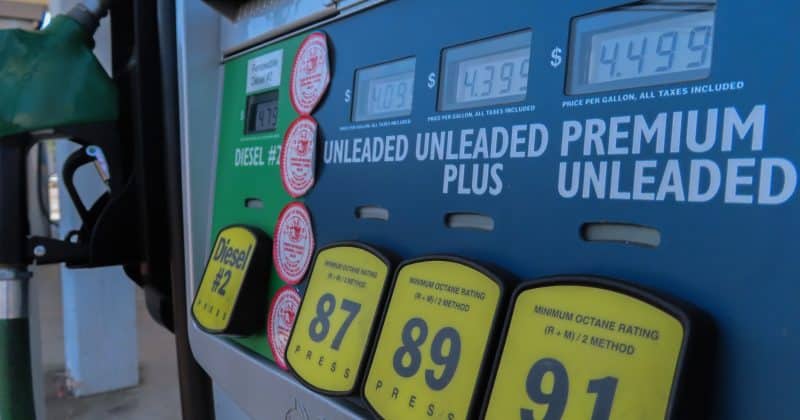
Gasoline prices surged 40.5% year-over-year as the Iran conflict continues to disrupt global energy supply, pushing headline CPI to its highest level since April 2023.

The Consumer Price Index rose 4.2% year-over-year in May 2026, up from 3.8% in April, marking the fastest pace of inflation the US has seen since April 2023. The culprit is not subtle: energy costs are ripping higher, and the ripple effects are hitting everything from consumer wallets to crypto portfolios.

Monthly CPI climbed 0.5%. The Federal Reserve’s preferred path back to 2% inflation just got a lot longer and a lot steeper.

Advertisement

Energy is doing the heavy lifting

Energy prices surged 23.5% year-over-year in May. Gasoline alone jumped 40.5%, and fuel oil skyrocketed 58.9%. The driving force behind these numbers is the ongoing Iran conflict, which has created persistent supply disruptions in global energy markets.

Core CPI, which strips out volatile food and energy prices, rose to 2.9% year-over-year. That’s the highest core reading since September 2025.

What this means for the Fed

The data, released around June 10, 2026, landed at a moment when markets were already bracing for a more hawkish Federal Reserve. The Fed now faces a choice between keeping rates elevated for longer, potentially hiking further, or risking a scenario where inflation expectations become unanchored.

Bitcoin and crypto feel the pressure

Bitcoin traded below $80,000 during this period, reflecting the broader market’s anxiety about persistent inflation and tighter monetary policy. Some forecasts have suggested a potential drop below $60,000 if the inflation trajectory doesn’t improve, though that scenario depends heavily on how aggressively the Fed responds and whether energy supply disruptions ease.

Traders should be paying close attention to upcoming Fed commentary and the next round of inflation data. If core CPI continues trending above 2.9%, the probability of additional rate hikes increases materially.

Disclosure: This article was edited by Editorial Team. For more information on how we create and review content, see our Editorial Policy.

US inflation climbs to 4.2% in May as energy prices spiral higher

US inflation climbs to 4.2% in May as energy prices spiral higher

Gasoline prices surged 40.5% year-over-year as the Iran conflict continues to disrupt global energy supply, pushing headline CPI to its highest level since April 2023.

The Consumer Price Index rose 4.2% year-over-year in May 2026, up from 3.8% in April, marking the fastest pace of inflation the US has seen since April 2023. The culprit is not subtle: energy costs are ripping higher, and the ripple effects are hitting everything from consumer wallets to crypto portfolios.

Monthly CPI climbed 0.5%. The Federal Reserve’s preferred path back to 2% inflation just got a lot longer and a lot steeper.

Advertisement

Energy is doing the heavy lifting

Energy prices surged 23.5% year-over-year in May. Gasoline alone jumped 40.5%, and fuel oil skyrocketed 58.9%. The driving force behind these numbers is the ongoing Iran conflict, which has created persistent supply disruptions in global energy markets.

Core CPI, which strips out volatile food and energy prices, rose to 2.9% year-over-year. That’s the highest core reading since September 2025.

What this means for the Fed

The data, released around June 10, 2026, landed at a moment when markets were already bracing for a more hawkish Federal Reserve. The Fed now faces a choice between keeping rates elevated for longer, potentially hiking further, or risking a scenario where inflation expectations become unanchored.

Bitcoin and crypto feel the pressure

Bitcoin traded below $80,000 during this period, reflecting the broader market’s anxiety about persistent inflation and tighter monetary policy. Some forecasts have suggested a potential drop below $60,000 if the inflation trajectory doesn’t improve, though that scenario depends heavily on how aggressively the Fed responds and whether energy supply disruptions ease.

Traders should be paying close attention to upcoming Fed commentary and the next round of inflation data. If core CPI continues trending above 2.9%, the probability of additional rate hikes increases materially.

Disclosure: This article was edited by Editorial Team. For more information on how we create and review content, see our Editorial Policy.