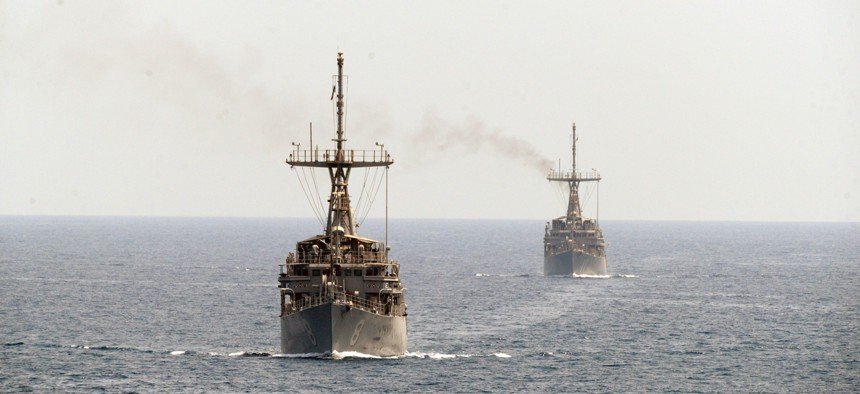
A US initiative to insure vessels transiting the Strait of Hormuz is almost complete, according to a WSJ report. The Polymarket contract on Strait of Hormuz traffic returning to normal by May 31 sits at 45% YES.
Market reaction
The Strait of Hormuz Traffic market prices a 45% chance of normalization by the end of May. The US insurance program could reduce the risk calculus for shipping companies, making transits more predictable. With 45 days left until resolution, the market reflects a roughly coin-flip assessment that the program translates into actual traffic recovery.
Volume is low, with no trades in the past 24 hours. Without significant trading activity, even modest order flow could swing the odds sharply. The insurance program announcement may be what draws new participants into the market.
Why it matters
If the US policy addresses security concerns enough to get insurers on board, vessel transits could increase quickly. A YES share is priced at 45¢, which pays 2.22x if traffic normalizes by May 31. That payout requires a real uptick in shipping activity within 45 days, not just a policy announcement.
What to watch
Statements from Gen. Michael Kurilla or vessel count data from MarineTraffic are the most direct signals. Any confirmation of increased transits or further details on the insurance program’s terms and coverage scope could move this market fast given the thin liquidity.
API access