
US airstrikes kill 14 in Iran as crypto markets slide on renewed Middle East conflict

US airstrikes kill 14 in Iran as crypto markets slide on renewed Middle East conflict

Iran's retaliatory strikes on US bases across the Gulf triggered a 2.9% drop in the CoinDesk 20 Index, reinforcing crypto's sensitivity to geopolitical shocks.

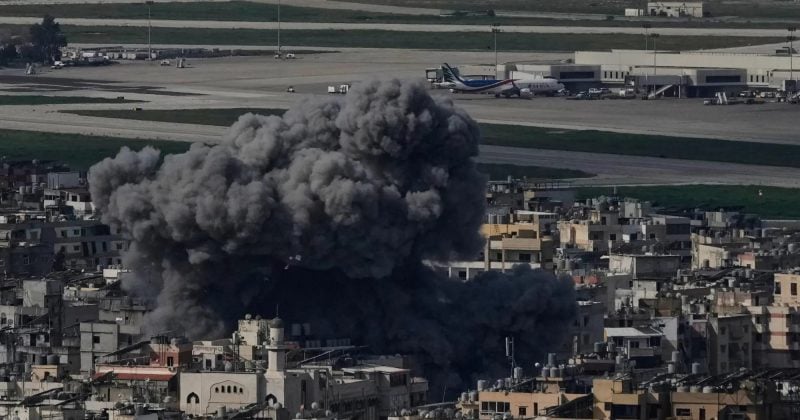
Iran’s Health Ministry reported that US airstrikes over two days killed at least 14 people and wounded 78 others, marking a sharp escalation in the conflict that has been simmering since February 2026.

Iran responded by launching drone and missile attacks at US military installations in Bahrain and Kuwait. Air defenses in both countries intercepted some of the incoming projectiles, with neither nation reporting injuries or damages from the strikes.

For crypto markets, the consequences were immediate. The CoinDesk 20 Index fell approximately 2.9% as traders rotated into risk-off mode.

What happened and why it matters for markets

On July 8, President Trump declared the ceasefire with Iran “over.” Within a day, US airstrikes were hitting targets inside Iran, and Tehran was firing back at Gulf state bases hosting American forces.

Advertisement

The Strait of Hormuz sits at the center of this conflict, both geographically and economically. Roughly a fifth of the world’s oil supply passes through that narrow waterway.

Bitcoin took a notable hit alongside the broader digital asset market. Rising oil prices compounded the damage, creating a double headwind: investors were simultaneously spooked by geopolitical instability and the inflationary implications of pricier energy.

When US airstrikes hit Iran shortly after the conflict intensified in February 2026, Iranian crypto exchanges saw outflows of roughly $10.3 million in a compressed timeframe.

The pattern crypto investors should understand

The 2.9% decline in the CoinDesk 20 Index mirrors patterns seen during previous US-Iran flashpoints. The initial move is almost always down as leveraged positions get liquidated and spot holders reduce exposure.

Iran’s retaliatory strikes targeted Bahrain and Kuwait, broadening the conflict zone beyond a contained bilateral exchange between the US and Iran.

What this means for investors

During acute geopolitical stress, correlations between crypto and traditional risk assets tend to spike. That means crypto portfolios offer less diversification benefit precisely when investors need it most.

In previous Middle East escalations, capital tended to rotate from volatile tokens into USDT and USDC as a parking strategy. A sustained increase in stablecoin dominance would signal that the market expects further downside before any recovery takes hold.

Disclosure: This article was edited by Editorial Team. For more information on how we create and review content, see our Editorial Policy.

US airstrikes kill 14 in Iran as crypto markets slide on renewed Middle East conflict

US airstrikes kill 14 in Iran as crypto markets slide on renewed Middle East conflict

Iran's retaliatory strikes on US bases across the Gulf triggered a 2.9% drop in the CoinDesk 20 Index, reinforcing crypto's sensitivity to geopolitical shocks.

Iran’s Health Ministry reported that US airstrikes over two days killed at least 14 people and wounded 78 others, marking a sharp escalation in the conflict that has been simmering since February 2026.

Iran responded by launching drone and missile attacks at US military installations in Bahrain and Kuwait. Air defenses in both countries intercepted some of the incoming projectiles, with neither nation reporting injuries or damages from the strikes.

For crypto markets, the consequences were immediate. The CoinDesk 20 Index fell approximately 2.9% as traders rotated into risk-off mode.

What happened and why it matters for markets

On July 8, President Trump declared the ceasefire with Iran “over.” Within a day, US airstrikes were hitting targets inside Iran, and Tehran was firing back at Gulf state bases hosting American forces.

Advertisement

The Strait of Hormuz sits at the center of this conflict, both geographically and economically. Roughly a fifth of the world’s oil supply passes through that narrow waterway.

Bitcoin took a notable hit alongside the broader digital asset market. Rising oil prices compounded the damage, creating a double headwind: investors were simultaneously spooked by geopolitical instability and the inflationary implications of pricier energy.

When US airstrikes hit Iran shortly after the conflict intensified in February 2026, Iranian crypto exchanges saw outflows of roughly $10.3 million in a compressed timeframe.

The pattern crypto investors should understand

The 2.9% decline in the CoinDesk 20 Index mirrors patterns seen during previous US-Iran flashpoints. The initial move is almost always down as leveraged positions get liquidated and spot holders reduce exposure.

Iran’s retaliatory strikes targeted Bahrain and Kuwait, broadening the conflict zone beyond a contained bilateral exchange between the US and Iran.

What this means for investors

During acute geopolitical stress, correlations between crypto and traditional risk assets tend to spike. That means crypto portfolios offer less diversification benefit precisely when investors need it most.

In previous Middle East escalations, capital tended to rotate from volatile tokens into USDT and USDC as a parking strategy. A sustained increase in stablecoin dominance would signal that the market expects further downside before any recovery takes hold.

Disclosure: This article was edited by Editorial Team. For more information on how we create and review content, see our Editorial Policy.