
## Market Snapshot Fed Rate Cuts Predictions for 2026 markets are currently showing 62% YES, an increase from 57% 24 hours ago. The Fed Decision June and July markets reflect a 1% YES probability for a rate cut, consistent with recent trends. Fed Rate Cut Timing markets indicate a 2% YES likelihood for a rate cut by June 2026, with minor fluctuations over the past week.
## Key Takeaways – Recent inflation data appears to decrease the probability of Fed rate cuts in 2026, with market pricing reflecting a shift towards maintaining or increasing rates. – The ongoing U.S.-Iran conflict and elevated oil prices suggest sustained inflation pressures, consistent with scenarios of tighter monetary policy. – The closure of the Strait of Hormuz may indicate prolonged geopolitical tensions, influencing market expectations for Fed policy adjustments.
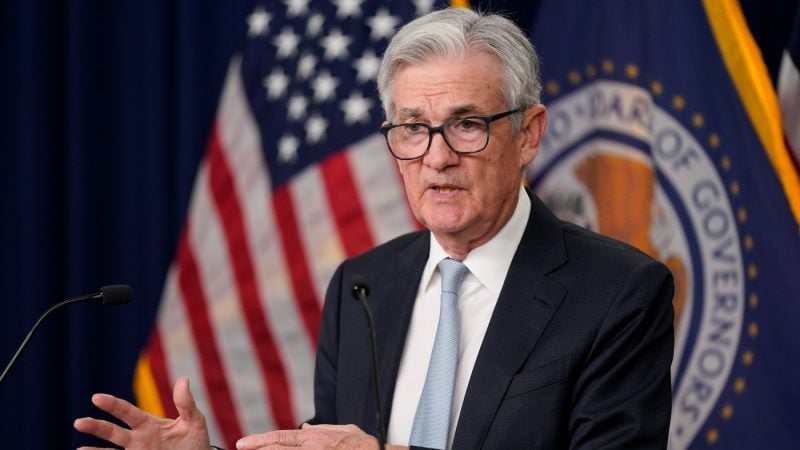
## Article Body The ongoing U.S.-Iran conflict, marked by the closure of the Strait of Hormuz, has led to significant economic repercussions, including surging oil prices and rising inflation. As of May 2026, the strait remains closed, contributing to elevated oil prices above $100 per barrel. The impact has been a dramatic increase in U.S. inflation, reaching 3.3% in March 2026, the highest in two years. The International Monetary Fund (IMF) has noted the potential for unanchored inflation expectations if the conflict continues beyond Q2 2026. The Federal Reserve, led by Chair Jerome Powell, faces pressure to address these inflationary pressures, affecting market expectations for rate cuts.
## Market Interpretation Market pricing suggests a decrease in the likelihood of Fed rate cuts in 2026, consistent with the need for tighter monetary policy to combat inflation. The impact of the geopolitical conflict and rising oil prices on inflation expectations is considered high. Markets appear to interpret the situation as supportive of scenarios where the Fed maintains or increases interest rates to control inflationary pressures.
See what prediction markets are pricing into the day's biggest stories.
Daily. Free. Join 34,000+ readers across crypto, finance, and policy.
## What to Watch Watch for further developments in the U.S.-Iran conflict, particularly regarding the status of the Strait of Hormuz, as these could significantly impact oil prices and inflation expectations. Key indicators include upcoming Federal Reserve statements and economic data releases, which may provide insights into potential shifts in monetary policy. Additionally, monitor any announcements from major economic institutions like the IMF or Federal Reserve that may indicate changes in economic forecasts or policy direction.