
Nexo Earn with Nexo
Netanyahu and Trump on collision course as US-Iran deal reshapes geopolitical risk for crypto markets

Netanyahu and Trump on collision course as US-Iran deal reshapes geopolitical risk for crypto markets

A preliminary ceasefire agreement between Washington and Tehran is deflating oil prices, boosting risk assets, and driving a wedge between two longtime allies.

The United States and Iran have agreed to a preliminary memorandum of understanding aimed at halting more than 100 days of escalating conflict between the two nations. The deal includes a plan to reopen the Strait of Hormuz for oil shipments and sets up a 60-day ceasefire window for negotiations on Iran’s nuclear program.

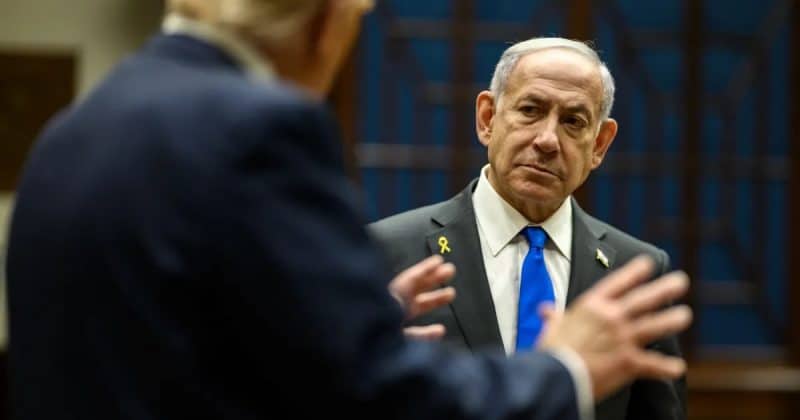
Israeli Prime Minister Benjamin Netanyahu isn’t on board. The leader who had been coordinating military strategy with US President Donald Trump against Iran now finds himself publicly distancing from the agreement, calling it “Trump’s decision.”

What the deal actually says

The MoU, reached around June 14-15, establishes a framework rather than a final resolution. The 60-day ceasefire creates space for both sides to negotiate on the thorniest issues, including Iran’s nuclear program. During that window, the Strait of Hormuz is set to reopen for commercial shipping.

What the deal doesn’t do is equally important. Iran gets no immediate sanctions relief. There are no restrictions placed on its ballistic missile program as part of this preliminary agreement. And critically for Israel, the MoU imposes no strict measures on Hezbollah’s operations in Lebanon.

Advertisement

That last point is the core of Netanyahu’s objection. Israel’s stated goals included regime change in Tehran and curtailing Hezbollah’s military capabilities. This deal delivers neither. Israel has already stated it will not withdraw its military presence from southern Lebanon despite the broader de-escalation efforts.

Why crypto traders should care about a Middle East ceasefire

Oil prices fell sharply after the announcement, with Brent crude dropping several dollars per barrel. When oil gets cheaper, inflationary pressures ease. When inflationary pressures ease, central banks have less reason to keep monetary policy tight. When monetary policy loosens, risk assets tend to benefit.

Bitcoin has been holding steady around $64,000 amid the reduced risk premiums in the market. Lower energy costs mean cheaper mining operations, improved consumer spending power, and a general tilt toward risk-on positioning across both traditional and digital markets.

Sustained military conflict tends to strengthen the dollar as a safe haven, which historically creates headwinds for Bitcoin and other digital assets priced in USD. A ceasefire, even a preliminary one, takes some of that safe-haven bid off the table.

The Netanyahu problem

The divergence between Netanyahu and Trump introduces a new variable. Trump is pursuing de-escalation through diplomacy. Netanyahu is maintaining military operations in southern Lebanon and rejecting the framework his closest ally negotiated.

If Israel continues independent military action while the US pursues a diplomatic track, Iran would have little incentive to honor a 60-day window if Israeli operations in Lebanon continue unchecked.

The full content of the MoU hasn’t been publicly disclosed, which means there could be provisions that address some of Israel’s concerns in ways that aren’t yet visible. But based on Netanyahu’s public reaction, whatever’s in the fine print clearly wasn’t enough to keep Jerusalem aligned with Washington’s approach.

Disclosure: This article was edited by Editorial Team. For more information on how we create and review content, see our Editorial Policy.

Netanyahu and Trump on collision course as US-Iran deal reshapes geopolitical risk for crypto markets

Netanyahu and Trump on collision course as US-Iran deal reshapes geopolitical risk for crypto markets

A preliminary ceasefire agreement between Washington and Tehran is deflating oil prices, boosting risk assets, and driving a wedge between two longtime allies.

The United States and Iran have agreed to a preliminary memorandum of understanding aimed at halting more than 100 days of escalating conflict between the two nations. The deal includes a plan to reopen the Strait of Hormuz for oil shipments and sets up a 60-day ceasefire window for negotiations on Iran’s nuclear program.

Israeli Prime Minister Benjamin Netanyahu isn’t on board. The leader who had been coordinating military strategy with US President Donald Trump against Iran now finds himself publicly distancing from the agreement, calling it “Trump’s decision.”

What the deal actually says

The MoU, reached around June 14-15, establishes a framework rather than a final resolution. The 60-day ceasefire creates space for both sides to negotiate on the thorniest issues, including Iran’s nuclear program. During that window, the Strait of Hormuz is set to reopen for commercial shipping.

What the deal doesn’t do is equally important. Iran gets no immediate sanctions relief. There are no restrictions placed on its ballistic missile program as part of this preliminary agreement. And critically for Israel, the MoU imposes no strict measures on Hezbollah’s operations in Lebanon.

Advertisement

That last point is the core of Netanyahu’s objection. Israel’s stated goals included regime change in Tehran and curtailing Hezbollah’s military capabilities. This deal delivers neither. Israel has already stated it will not withdraw its military presence from southern Lebanon despite the broader de-escalation efforts.

Why crypto traders should care about a Middle East ceasefire

Oil prices fell sharply after the announcement, with Brent crude dropping several dollars per barrel. When oil gets cheaper, inflationary pressures ease. When inflationary pressures ease, central banks have less reason to keep monetary policy tight. When monetary policy loosens, risk assets tend to benefit.

Bitcoin has been holding steady around $64,000 amid the reduced risk premiums in the market. Lower energy costs mean cheaper mining operations, improved consumer spending power, and a general tilt toward risk-on positioning across both traditional and digital markets.

Sustained military conflict tends to strengthen the dollar as a safe haven, which historically creates headwinds for Bitcoin and other digital assets priced in USD. A ceasefire, even a preliminary one, takes some of that safe-haven bid off the table.

The Netanyahu problem

The divergence between Netanyahu and Trump introduces a new variable. Trump is pursuing de-escalation through diplomacy. Netanyahu is maintaining military operations in southern Lebanon and rejecting the framework his closest ally negotiated.

If Israel continues independent military action while the US pursues a diplomatic track, Iran would have little incentive to honor a 60-day window if Israeli operations in Lebanon continue unchecked.

The full content of the MoU hasn’t been publicly disclosed, which means there could be provisions that address some of Israel’s concerns in ways that aren’t yet visible. But based on Netanyahu’s public reaction, whatever’s in the fine print clearly wasn’t enough to keep Jerusalem aligned with Washington’s approach.

Disclosure: This article was edited by Editorial Team. For more information on how we create and review content, see our Editorial Policy.