
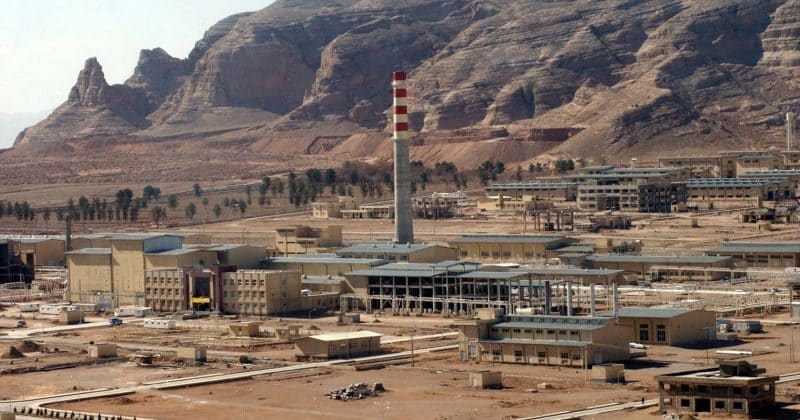
US-Iran deal leaves key nuclear issues unresolved, raises $300B question
The interim memorandum of understanding defers uranium enrichment limits to future talks while establishing a massive private-sector reconstruction fund that could reshape regional investment flows.
The US and Iran have digitally signed a 14-point memorandum of understanding that President Trump says will permanently prevent Iran from acquiring nuclear weapons. The text of the agreement tells a slightly different story.
Core nuclear questions, including uranium enrichment limits and verification of nuclear activities, have been punted to a 60-day follow-up negotiation period. What the deal does include is a commitment to reopen the Strait of Hormuz, a battlefield pause, and the establishment of a $300B private-sector reconstruction fund.
What’s actually in the deal
The MOU, digitally signed on June 19, 2026, ahead of a formal ceremony, is best understood as a framework rather than a finished product.
Trump has positioned the agreement as a decisive break from the Obama-era Joint Comprehensive Plan of Action, the 2015 nuclear deal the US withdrew from in 2018. The JCPOA attempted to set concrete limits on Iran’s enrichment capabilities in exchange for sanctions relief. This new memorandum takes a fundamentally different approach by separating the economic and security components, tackling reconstruction incentives first while deferring the nuclear specifics.
The economic centerpiece is a $300B reconstruction fund, with over $150B already committed from Gulf states and other non-US sources. Trump has emphasized that no American taxpayer dollars will flow into the fund, framing it instead as a private-sector investment vehicle.
The geopolitical backdrop and market response
The MOU comes against the backdrop of direct US and Israeli military actions against Iranian positions in 2026. The Strait of Hormuz, through which roughly a fifth of the world’s oil supply passes, had become a pressure point.
Crypto markets have responded to the shifting geopolitical landscape. Trading volumes in Bitcoin and Ethereum saw notable movement following announcements related to the deal.
Prediction markets have also seen increased activity around the deal. Trading volume on platforms tracking the likelihood of the agreement’s success has spiked.
What this means for investors
The $300B reconstruction fund is the number that should grab attention beyond the diplomatic headlines. Over $150B already pledged from Gulf states signals that sovereign wealth funds and regional capital allocators see a genuine economic opening in post-conflict Iran.
The critical variable is the 60-day clock. Until enrichment limits and verification protocols are agreed upon, this MOU is essentially a very expensive handshake. Investors who trade on geopolitical narratives should watch the follow-up talks closely, particularly any signals about International Atomic Energy Agency access and centrifuge caps.